
Home Blog Page 5

Bijliride reports 80% revenue growth to INR 18 crore in FY25

Bizliride recorded strong financial growth in FY24, with revenue growing 80% to Rs 18 crore from Rs 10 crore in FY24 due to rising demand and improved operational efficiency.

Building on this momentum, the company has set an ambitious target of Rs 44 crore in revenue by FY27 with plans to expand its fleet to 10,000 vehicles. The growth strategy is supported by a clear focus on sustainable scaling and achieving EBITDA margins above 20%, reinforcing Bijliride’s commitment to profitable and long-term expansion.

Fundamentally, Bijliride’s growth strategy is rooted in a disciplined and structured approach. The company is prioritizing depth over rapid expansion by strengthening its presence in high-usage markets. With an impressive fleet utilization rate of 92%, Bijliride is leveraging the hub-and-spoke (STAR) model to build a dense, demand-driven network that maximizes operational performance and asset productivity.

A key driver behind this growth is the growing demand for electric two-wheelers in the rental and last-mile delivery segments. The rapid expansion of e-commerce and instant commerce platforms, many of which are aiming for 100% EV adoption by 2030, is further accelerating this shift, creating a strong demand pipeline for bijliride offerings.

To capitalize on this opportunity, the company is also expanding through a franchise-based model, enabling faster and capital-efficient growth into new markets while maintaining operational control and service quality.

Additionally, Bijliride continues to invest in its in-house technology platform, which plays a key role in enhancing operational efficiency. From streamlining bookings and tracking vehicle performance in real-time to optimizing fleet deployment, the technology backbone significantly reduces manual intervention, improves uptime and enhances customer experience.

Speaking on the company’s outlook, Mr. Shivam Sisodia, CEO and Co-Founder, BijliRide, said: “At BijliRide, our growth is driven by a clear focus on sustainability, efficiency and profitability. The strong revenue growth we have achieved reflects our disciplined approach and deep understanding of market demand. As we move towards a fleet of 10,000 and a revenue target of Rs 44 crore, we are committed to building a business that Where profitability and operational excellence go hand in hand.”

Bijliride’s superior financial performance is supported by a number of factors, including high fleet utilization driven by gig workers and enterprise customers, economies of scale in purchasing and servicing, and continued improvements in operational efficiency. The company is also focusing on leveraging innovations such as reducing vehicle downtime, optimizing battery performance and battery swapping to further enhance productivity and margins.

Strategic partnerships with OEMs and ecosystem players continue to play a key role in supporting BijliRide’s expansion while maintaining an asset-light approach. These collaborations enable the company to grow efficiently while improving cash flow management and infrastructure utilization.

Looking ahead, Bijliride is confident about its growth trajectory. Over the next 12-18 months, the company plans to deepen its presence in existing markets, expand into select new cities and continue driving efficiency in its operations.

With a strong foundation, clear growth roadmap and focus on long-term value creation, Bizliride is well positioned to lead the transformation towards sustainable mobility in India.
Renault bets big on ‘futuREady’ in India, aims to join top three global market positions –

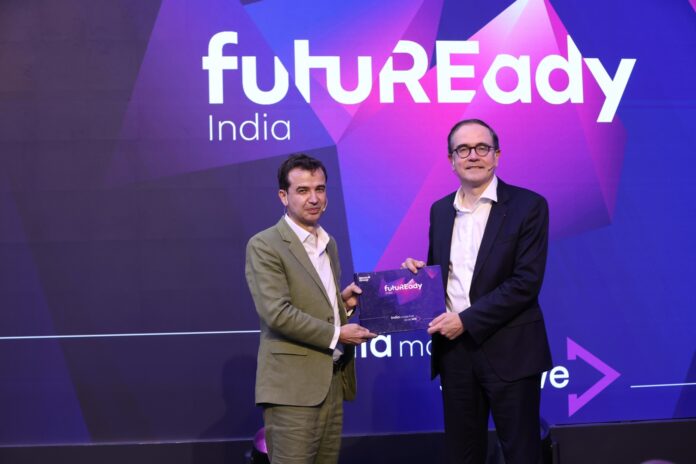
Groupe Renault has unveiled an ambitious India-focused strategy under its global ‘futuREady’ vision, positioning India as a key growth driver, technology hub and export base for the next phase of international expansion.

At the end of a week-long visit to India, Groupe Renault CEO Francois Provost highlighted the growth potential in India, which accounts for more than one-third of the markets in which the Renault brand operates. He noted that India will not only develop into a major growth market but also a center of excellence and a global export hub, underscoring the importance of India in enhancing the group’s overall competitiveness.

As part of the strategy, Renault has laid out a clear product roadmap for India, targeting a seven-model portfolio by 2030, covering key segments from compact cars to large SUVs. Mr. Stéphane Deblaise, CEO, Groupe Renault India, said the future product line-up will include a full range of electric powertrains from strong hybrids to fully electric vehicles, supported by world-class engineering and competitive manufacturing. The product offensive includes the recently launched Renault Duster, which has already generated strong customer interest, and the Renault Bridger concept, which previews a new B-segment compact SUV. These models, as well as future additions, will be built on the RGEP and RGMP platforms, both of which are designed with a multi-energy approach to support internal combustion, hybrid and electric powertrains according to market demand.

Apart from product expansion, the OEM is also repositioning itself in India with a higher value-added strategy focusing on advanced in-car technologies, electrified powertrains and enhanced design appeal. The company is also reinforcing its customer-centric approach through its ‘Reno Forever’ programme, which aims to improve service quality, simplify the ownership experience and build long-term trust. As part of this, customers will benefit from a seven-year warranty, reflecting an increased focus on ownership value and after-sales engagement.

A key pillar of futuREady’s India plan is to transform India into a technology and export hub for Groupe Renault. The company’s Chennai engineering center is one of the largest in the world, bringing together around 6,000 engineers and IT experts working on vehicle architecture, software, simulation and lifecycle upgrades. The center will play a more significant role globally and contribute to platform development and technology projects not only for India but also for international markets.

On the manufacturing front, the company has fully owned the Chennai facility, allowing for deeper localization, stronger supplier integration and more efficient end-to-end supply chain management. Leveraging on India’s cost competitiveness, the group is also positioning the plant as a strategic export center for cars, parts and services, especially targeting markets such as South America, with the goal of annual exports reaching 2 billion euros by 2030.

With the launch of futuREady India, Renault makes a decisive statement on its long-term commitment to the country, aiming to make India one of its top three global markets by the end of this decade. The strategy focuses on a broader shift in Renault’s global strategy, in which India is not just a volume market but a core pillar of its growth, innovation and export ambitions.

Isuzu and Toyota to jointly develop Japan’s first mass-produced light-duty fuel cell electric truck

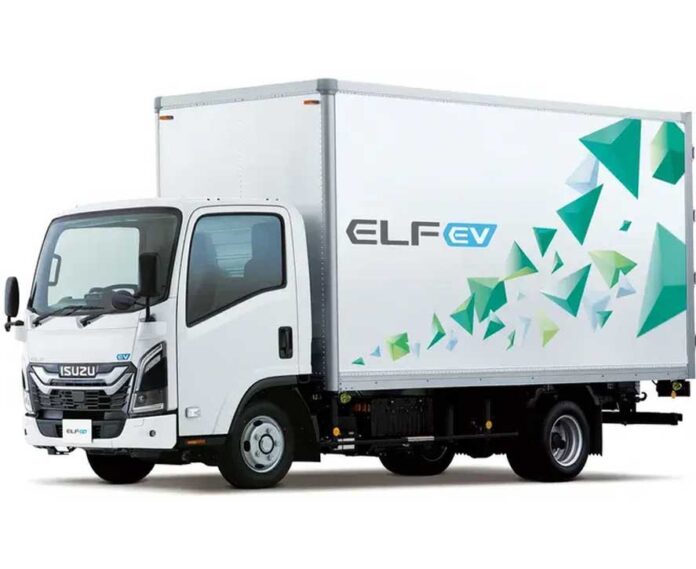
Isuzu Motors Ltd. and Toyota Motor Corporation have announced a collaboration to develop Japan’s first mass-produced next-generation light-duty fuel cell (FC) electric truck, with production targeted for fiscal 2027. The new vehicle will be based on Isuzu’s ELF EV battery electric light-duty truck and integrate Toyota’s third-generation fuel cell system, combining the expertise of both companies to support the transition toward carbon-neutral logistics and a hydrogen-based mobility ecosystem.

The joint development will focus on enhancing performance and durability as well as ensuring system compatibility to meet the demanding operational requirements of commercial vehicles. Both companies aim to advance technologies suitable for high-use situations, in line with their multi-path approach to achieving carbon neutrality.

Light-duty trucks play a vital role in everyday logistics, including deliveries to supermarkets, convenience stores and other essential services. These vehicles often operate for extended hours, cover long distances, and are often equipped with refrigeration systems, making quick energy replenishment critical to maintaining operational efficiency.

Fuel cell electric vehicles (FCEVs) powered by hydrogen offer significant advantages in such applications. Compared to battery electric vehicles (BEVs), FCEVs enable faster refueling and longer driving ranges, making them particularly suitable for intensive commercial operations. Additionally, like BEVs, FCEVs operate with minimal noise and vibration and produce no CO₂ emissions during use, reducing environmental impact.

The new truck will be built on the ELF EV platform to be introduced in 2023 and will be developed using Isuzu’s i-MACS product development platform. It will include Toyota’s next generation fuel cell stack, designed to enhance vehicle durability and extend service life.

Addressing one of the major barriers to fuel cell adoption – high vehicle costs – Isuzu is working to optimize the body structure and refine manufacturing processes. Toyota is also cutting costs through innovations in fuel cell design and production methods.

The collaboration will leverage insights from previous joint initiatives, including the next-generation fuel cell route bus ERGA FCV and the fuel cell light-duty truck demonstration project led by Commercial Japan Partnership Technologies Corporation. These learnings will help enhance control technologies, system integration and overall durability to meet the required reliability standards for commercial vehicles.

As hydrogen adoption initiatives expand across Japan, both companies are also working with local governments and industry partners to accelerate the deployment of hydrogen mobility solutions.

Isuzu aims to expand hydrogen-powered commercial vehicle options and contribute to the creation of a hydrogen society by putting fuel cell technology into practical use. Toyota, which sees hydrogen as a key energy source for the future, continues to invest in hydrogen production, transportation, storage and use through cross-industry partnerships.

Through this collaboration, Isuzu and Toyota aim to accelerate the development and adoption of hydrogen-powered commercial vehicles, while supporting the broader transition toward sustainable, carbon-neutral logistics.

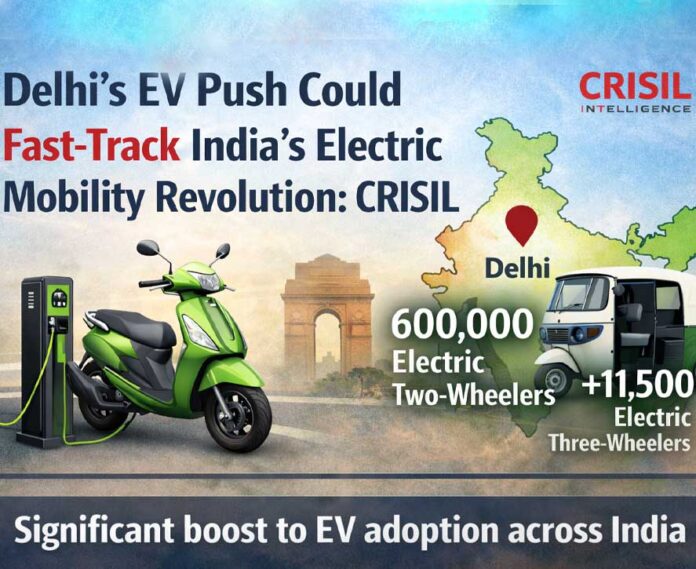
Delhi’s EV incentive can fast-track India’s electric mobility revolution: CRISIL |

Delhi’s proposed ban on new petrol-powered two-wheelers and three-wheelers is expected to significantly accelerate electric vehicle adoption across India, according to a new analysis by CRISIL Intelligence. The research firm estimates that the move could add about 600,000 electric two-wheelers and about 11,500 electric three-wheelers to national sales, despite Delhi’s share in the overall vehicle market being relatively low.

In its impact note, CRISIL highlighted that the draft Delhi EV Policy 2026-2030 proposes to ban new internal combustion engine (ICE) three-wheelers from January 2027 and two-wheelers from April 2028. If implemented, the policy could increase India’s electric two-wheeler penetration to 21-23% by FY2029, compared to an estimated 18-20% without the policy. Similarly, electric three-wheeler penetration could increase to 40-42% from 38-40% under current projections.

CRISIL said the lifetime cost of ownership of electric two-wheelers and three-wheelers is already competitive with petrol-powered options. The incentives proposed under the Delhi EV Policy are expected to further strengthen the economic case for electric vehicles, encouraging faster adoption among consumers and fleet operators.

However, the report also points out some challenges. For example, school bus operators are not currently eligible for the subsidies available to state transport undertakings. CRISIL suggested that this segment may require targeted policy support to ensure a smooth transition.

The research firm stressed that Delhi’s move could have wider national implications. With 66 of the world’s 100 most polluted cities located in India, similar policy mandates across larger states could significantly accelerate the shift towards electric mobility in the country. This, in turn, could lead automakers to increase investments in electrification and accelerate localization of batteries, components and charging infrastructure.

The proposed policy follows Delhi’s ranking as the world’s most polluted capital in the IQAir 2025 World Air Quality Report. Vehicular emissions contribute about 23% to winter pollution in the city, with two-wheelers accounting for about 67% of Delhi’s registered vehicle population.

Apart from restrictions on new registrations, the draft policy also proposes a completely electric bus fleet for the Delhi Transport Corporation and the transport department, as well as a target to electrify 30% of school buses by 2030. The policy also outlines financial incentives and tax benefits to support buyers and operators during the transition.

The draft Delhi EV Policy 2026-2030 is currently open for public feedback till May 10, after which it is expected to be formally notified.

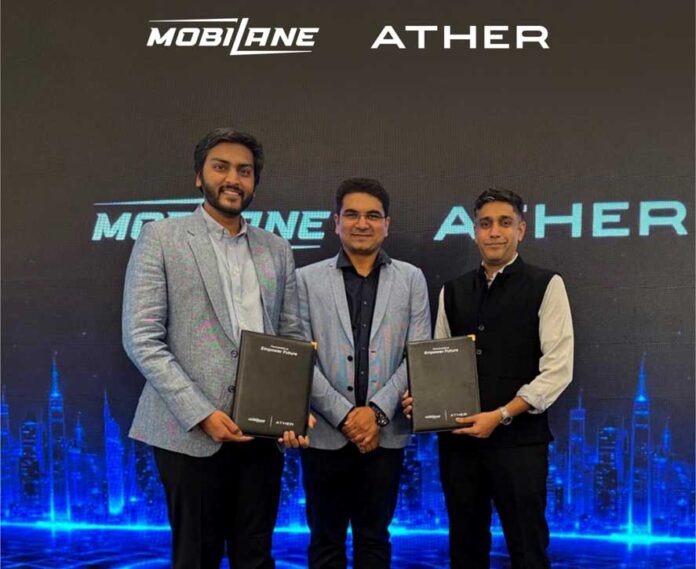
Mobiline partners with Ather Energy to expand open EV charging access across India.

Mobiline, one of India’s fastest growing EV charging infrastructure providers, has announced a strategic partnership with Ather Energy, the country’s leading smart electric scooter manufacturer. Under this collaboration, Ether users will have seamless access to Mobiline’s expanded network of charging points across India, both through the Ather Grid and the Mobiline app.

This partnership represents a significant step towards building interoperable and OEM-agnostic EV charging infrastructure in India. By increasing access to charging stations and enabling cross-network integration, the collaboration aims to reduce range anxiety and support smooth electric mobility on urban and intercity routes.

Unlocking seamless charging for riders

With this integration, Ether riders can discover and use Mobiline chargers without switching platforms or managing multiple accounts. Mobilane’s network spans high-density urban locations, major intercity corridors and premium commercial centres, enabling a more reliable and convenient charging experience.

Devansh Shah, founder of Mobilane, said: “We are building Mobilane as a platform that enables the entire EV ecosystem – OEMs, fleets and infrastructure players – to collaborate and scale together. This partnership with Ather is just the beginning, and we are actively looking to work with more OEMs and partners who share this vision of a connected and interoperable future.”

“Our vision is to build India’s most accessible and interoperable EV charging network. This partnership with Ather is a strong validation of that vision. As EV adoption accelerates, open networks will be critical in ensuring convenience and confidence for users, no matter what vehicle they choose,” said Gunjan Mehta, Founder, Mobiline.

Arvind Balagi Prasad, Head-EV Charging, Ather Energy, said: “At Ather, our focus has always been on providing a seamless ownership experience. Expanding access to reliable charging infrastructure is key to that journey. Our partnership with Mobiline strengthens the Ather grid with high-quality locations in cities and on highways, enabling greater flexibility and confidence for our riders.”

A major shift towards open EV infrastructure

The MobileN – Ather partnership reflects a broader shift in India’s EV ecosystem – from closed, brand-specific networks to collaborative, interoperable infrastructure.

This approach not only maximizes the utilization of existing assets but also accelerates EV adoption by making charging more accessible, predictable and user-friendly.

MobiLane is positioning itself as a neutral, scalable charging platform – designed to integrate with multiple OEMs, fleet operators and digital ecosystems.

Further scaling: 1,000+ charging points roadmap

Mobilane currently operates 250+ charging points across 40+ cities and is expanding rapidly. The company plans to scale up to 1,000+ charging points across 100+ cities over the next 12-18 months with a focus on:

High density urban agglomerations

· Major EV corridors and highways

Strategic OEM and fleet partnerships

Ether integration is being rolled out in phases, with priority locations already live and full network access expected within the next 12 months.

Mobilane is an EV charging infrastructure company that is building India’s interoperable, accessible and high-reliability charging network. With a rapidly growing footprint and strong focus on partnerships, Mobiline is enabling the next phase of EV adoption across India.

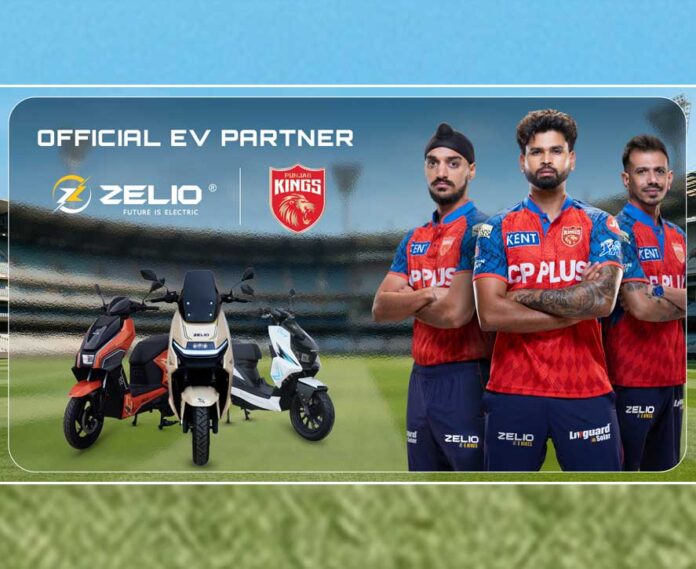
Zelio E-Mobility partners with Punjab Kings as the official EV partner for the 2026 season.

Zelio E-Mobility has announced a strategic partnership with Punjab Kings as the official EV partner of the team for the 2026 season.

This collaboration marks a significant milestone for Zelio e-Mobility, a fast-growing electric two-wheeler brand that has been consistently doubling its growth year-on-year. The partnership aims to combine the high-energy appeal of the Punjab Kings with the fast pace of India’s green mobility movement, further strengthening Zelio’s presence and brand visibility during the 2026 season.

As the official EV partner of Punjab Kings, Zelio e-Mobility will leverage one of India’s most viewed sports platforms to strengthen its brand presence across the country. The partnership includes branding rights, digital media integration and in-stadia activities associated with Punjab Kings throughout the season. Two of the brand’s most iconic models – X-Men+ (launching in 2026) and X-Men 2.0 – will be showcased by the team, reflecting the growing public love for these vehicles and putting them in the spotlight of mainstream India.

For Zelio e-Mobility, this partnership is basically about long-term brand building in key markets across India. Cricket offers unparalleled reach – beyond geographies, demographics and language groups. By associating with Punjab Kings, the brand aims to deepen its connection with millions of consumers in Tier 2 markets and beyond, driving awareness and consideration for its electric two-wheeler lineup at a scale that few other platforms can offer.

Kunal Arya, Managing Director, Zelio e-Mobility, said, “Cricket remains one of the most powerful platforms to connect with audiences across India. Our association with Punjab Kings allows us to connect with a broader consumer base while strengthening Zelio’s brand presence in a culturally relevant environment. As we scale our operations, such partnerships play a role in aligning visibility with the pace of growth.”

Mr. Saurabh Arora, Chief Commercial Officer, Punjab Kings, said, “We are delighted to welcome Zelio Electric Scooters as our official EV partner for the season. This partnership reflects the growing synergy between sports and sustainable innovation. As a franchise, we are committed to associating with forward-looking brands that resonate with today’s consumers, and Zelio’s focus on electric mobility and accessibility makes them a strong strategic fit for the Punjab Kings. Through the association, we aim to create meaningful fan engagement while contributing to the broader narrative around clean and responsible mobility.

Zelio e-mobility has garnered significant public enthusiasm since its launch, earning strong word-of-mouth and loyal followers among urban and semi-urban riders. Their showcase through Punjab Kings is expected to further build on this organic momentum, giving potential customers across the country a chance to discover the innovation and style that defines the Zelio riding experience. The partnership will be active across multiple brand touchpoints – from jersey branding to digital and social media campaigns that connect Zelio’s story with the passion of cricket fans across the country.

This partnership reflects Zelio e-Mobility’s broader strategy of investing in product excellence as well as brand equity. As the EV sector grows rapidly in India, Zelio is establishing itself not only as a manufacturer but also as a brand that is in line with the aspirations of a new, mobile and eco-conscious India. The Company also confirmed that the Partnership complies with the applicable disclosure requirements under Regulation 30 of the Securities and Exchange Board of India (Listing Obligations and Disclosure Requirements) Regulations, 2015 and does not involve related parties.

The development comes after Zelio e-Mobility’s public market debut, where the company had raised ₹78.34 crore through its IPO, which included a fresh issue of ₹58.84 crore and an offer for sale of 11.4 lakh shares worth ₹15.50 crore. The issue was subscribed 1.5 times overall with participation from both institutional and retail investors.

Supported by a dealer network of over 350 outlets across over 20 states and union territories, Zelio e-Mobility offers a diverse portfolio of electric mobility solutions. Under the ‘Zeleo’ brand, it manufactures a range of electric two-wheelers, while its ‘Tanga’ line caters to the three-wheeler e-rickshaw segment, serving a customer base of over 2,00,000 riders.

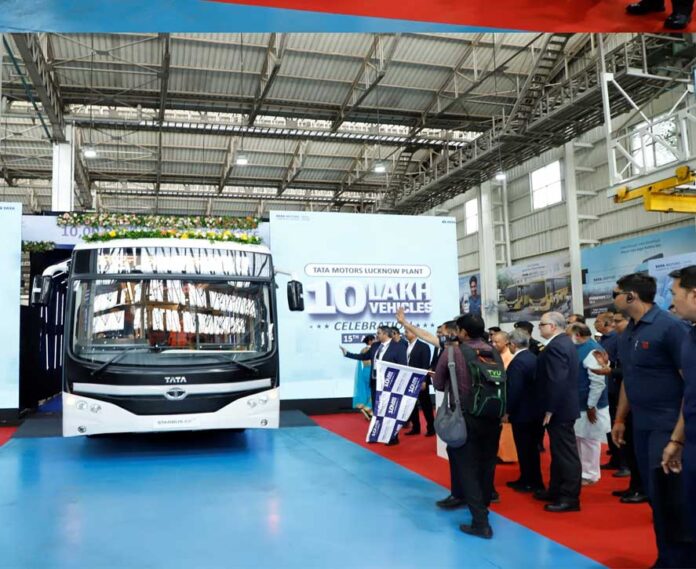
Tata Motors achieved the milestone of 10 lakh commercial vehicle production at its Lucknow plant.

Tata Motors has achieved a significant production milestone with the rollout of its 10 lakh commercial vehicle from its Lucknow manufacturing facility, marking over 35 years of industrial excellence and contribution to economic growth, skill development and employment generation in Uttar Pradesh.

This milestone comes at a time when India’s commercial vehicle industry is rapidly moving towards cleaner, smarter and more efficient mobility solutions, strengthening Tata Motors’ leadership in shaping the future of transportation.

Notably, the landmark vehicle introduced was a zero-emission electric bus, symbolizing the shared commitment of Tata Motors and Uttar Pradesh towards sustainable mobility. The achievement also aligns with the state’s Net-Zero 2070 vision and Tata Motors’ Net-Zero 2045 target, highlighting the company’s continued focus on green and future-ready mobility solutions.

It was flagged off in the presence of Hon’ble Chief Minister of Uttar Pradesh Yogi Adityanath and Shri N. Chandrasekaran, Chairman, Tata Sons Limited, Hon’ble Deputy Chief Minister Shri Brajesh Pathak, Shri Girish Wagh, Managing Director and Chief Executive Officer, Tata Motors Limited and distinguished ministers, public representatives, senior bureaucrats, government officials and senior leaders of Tata Motors.

Speaking on the occasion, Hon’ble Chief Minister of Uttar Pradesh, Yogi Adityanath said, “The rollout of 10 lakh trucks and buses from Tata Motors’ Lucknow facility is a proud moment for the entire state. It is a recognition of the state’s capabilities and vast potential as well as its talented people. Our vision is to transform Uttar Pradesh into a one-trillion-dollar economy, with industries and entrepreneurs playing a key role in this journey. The state offers a conducive ecosystem for scalable businesses, a huge consumer base Market, supported by a young, skilled workforce and seamless connectivity. Tata Motors’ success in Uttar Pradesh reflects the strength of this ecosystem and reinforces our commitment to foster responsible industrial growth, create jobs, build skills and drive sustainable socio-economic development.

Established in 1992, Tata Motors’ Lucknow facility has evolved into one of its most important commercial vehicle manufacturing centres, producing trucks and buses that meet global standards across a range of powertrains, including zero-emission electric and fuel-cell electric vehicles. Spread over approximately 600 acres, the plant combines manufacturing scale with a strong focus on people and sustainability – supporting over 8,000 livelihoods, building industry-relevant skills through key training programs, and serving as a water-positive facility powered by 100% renewable energy, underscoring Tata Motors’ commitment to sustainability rooted in inclusive growth and responsible industrialization. The facility also supports a strong supplier ecosystem, enabling MSMEs and supporting industries across Uttar Pradesh and beyond.

Speaking on the occasion, Chairman, Tata Sons Limited, Shri N. Chandrasekaran said, “The production of 10 lakh commercial vehicles from Tata Motors’ Lucknow facility reflects the strength of our long-term partnership with Uttar Pradesh. Over more than three decades, this collaboration has demonstrated how industry, government and community can come together to drive industrial excellence, create livelihoods and build capabilities at scale. We are extremely grateful to the Honorable Chief Minister and the entire state for their continued support and promotion of a progressive, growth-oriented future as North As the state accelerates its journey towards sustainable and inclusive growth, we are strongly committed to contribute to its progress and shape a future-ready mobility ecosystem.

The historic production milestone of 10 lakh vehicles underlines Tata Motors’ enduring commitment to Uttar Pradesh – based on manufacturing excellence, people-centric growth and responsible industrialization. As the company pursues its net-zero journey, the Lucknow plant will continue to play a key role in shaping a cleaner, smarter and more sustainable mobility future for India.

Tata Motors’ Lucknow commercial vehicle manufacturing facility, established in 1992 and spread over ~600 acres, has become one of the company’s most advanced production centres. With an annual capacity of over one lakh vehicles, the plant manufactures a wide range of trucks and buses, including electric and fuel-cell vehicles, serving both domestic and international markets.

The facility supports over 8,000 employment opportunities and focuses on inclusive growth through a dual system of apprenticeship and training programs as well as skill initiatives such as Kaushalya, Lakshya and Saksham. It also promotes workforce diversity by increasing women’s participation and creating opportunities for people with disabilities.

Sustainability remains a core focus, with the plant operating on 100% renewable electricity and being CII-certified water positive. Advanced Industry 4.0 technologies, automation, robotics and AI-enabled systems further enhance efficiency, safety and environmental performance, positioning the Lucknow facility as a model for future-ready manufacturing.

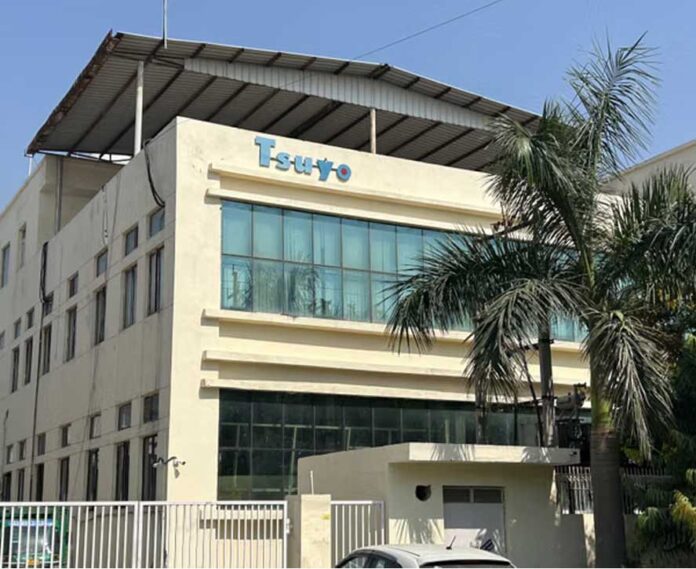
Tsuyo selected to represent India in Japan 2026 DeepTech Startup Delegation.

EV powertrain maker Tsuyo has been selected among 15 Indian startups to represent the country in the ‘DeepTech’ category at the CII CIES Startup Delegation 2026 in Japan. This selection marks a significant milestone for the company and reflects the growing recognition of its innovation-driven approach in the electric mobility sector.

The inclusion in the delegation comes at a time when Japan is accelerating its EV adoption and exploring advanced mobility technologies. Tsuyo’s participation is expected to provide an opportunity to connect with leading Japanese corporations, exchange insights and explore potential collaborations in EV powertrain technologies.

The development also underlines India’s growing role as a global hub for deeptech innovation and advanced automotive solutions. Through this association, Tsuyo aims to create a long-term partnership that combines India’s strength in cost-effective innovation with Japan’s engineering expertise, paving the way for future mobility advancements.

Commenting on the occasion, Vijay Kumar, Founder and CEO, Tsuyo Manufacturing Pvt Ltd, said, “Being selected for the CII CIES delegation is a proud moment – not just for Tsuyo, but for the growth of India’s deeptech ecosystem. At Tsuyo, we see ourselves as a new age EV deep tech startup, focused on co-creation, where innovation is created collaboratively across borders. India has the capacity to engineer and scale world-class EV powertrain technologies, designed for real-world conditions and global applicability.

Japan, with its heritage of engineering excellence and disciplined manufacturing culture, represents a strong strategic partner. Through this engagement, we aim to explore joint growth opportunities, enable deeper supply chain integration and contribute to the broader ‘Build India’ vision by strengthening local capabilities with global collaboration.

Our approach to co-creation goes beyond technology – it extends to building stronger supply chains, pioneering future mobility solutions, and aligning with the high standards of Japanese engineering. “Thus, we believe India will transform from a growing EV market to a globally competitive EV technology hub.”

Tsuyo’s participation in the CII CIES delegation will offer promising opportunities, such as co-development opportunities in next-generation EV technologies, access to international investors and capital networks, strategic partnerships with global OEMs and tier-1 suppliers, and entry into new markets across Asia and beyond. This achievement further strengthens Tsuyo’s position as a major contributor to India’s goal of becoming a global leader in EV manufacturing and technology.

recent developments

As part of its ongoing expansion and scale-up journey, Tsuyo has recently received single window clearance approval from the Government of Karnataka for a proposed 20-acre EV powertrain manufacturing and verification complex in the Dharwad-Hubli region.

This upcoming facility will serve as a key hub for design, development, testing and large-scale manufacturing of EV powertrain components, reinforcing Tsuyo’s commitment to strengthening India’s domestic EV ecosystem and reducing dependence on imports.

This expansion is in line with Tsuyo’s broader vision of building globally competitive, locally made EV technologies while contributing to India’s clean mobility transition.

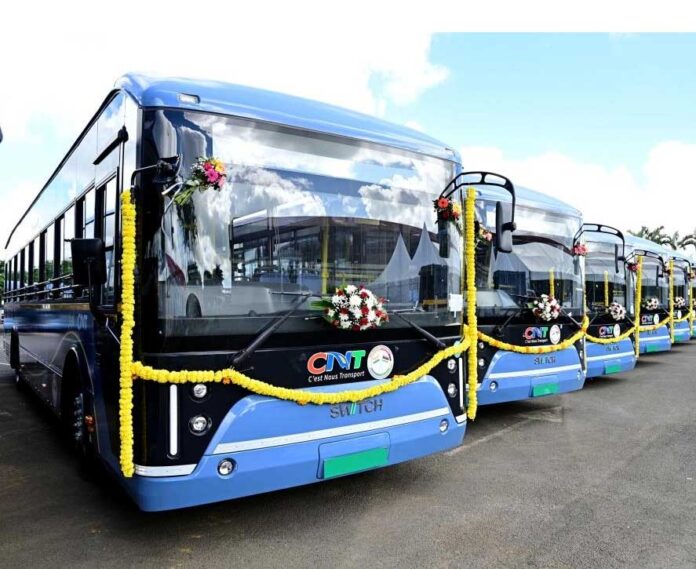
Switch Mobility hands over 100 electric buses to Mauritius in India’s biggest export.

Switch Mobility, the electric mobility arm of the Hinduja Group, has completed the delivery of 100 electric buses to the Government of Mauritius, in what the company says is the largest ever electric bus export from India.

The final batch of 90 buses was handed over during a formal ceremony attended by S. Jaishankar, who transferred the custody of the vehicles to Navinchandra Ramgoolam. The event was attended by senior officials from both the countries, who highlighted the diplomatic importance of this initiative.

The buses have been supplied as part of the Government of India’s donation to Mauritius under a government-to-government arrangement. The procurement was done through an open tender managed by Convergence Energy Services Limited, while the operational responsibilities will be handled by the National Transport Corporation.

Vehicle Specifications and Features

The deployment includes the SWITCH EiV12 model, which can seat up to 45 passengers. The buses are equipped with floor-mounted lithium iron phosphate (LFP) battery packs, designed to improve stability by lowering the vehicle’s center of gravity.

Each bus features a rear dual-gun charging interface aimed at reducing charging and turnaround time at the depot. Additionally, the vehicles integrate Switch Mobility’s proprietary Switch iON, enabling real-time vehicle diagnostics, monitoring and fleet management.

According to the company, the buses are built to meet international standards in safety, performance and sustainability while supporting reliable public transport operations.

Supporting Mauritius’ electric mobility transition

This initiative is part of broader cooperation between India and Mauritius to reduce transport-related emissions and modernize public transit infrastructure. For Switch Mobility, the delivery also represents an important milestone in its global expansion strategy.

Ganesh Mani, CEO of Switch Mobility, said this deployment reinforces the company’s commitment to support Mauritius in accelerating the transition to sustainable mobility and building a clean public transport ecosystem.

Switch Mobility reports that it has deployed more than 2,400 electric buses globally, collectively covering more than 150 million kilometers of operations since the company’s inception.

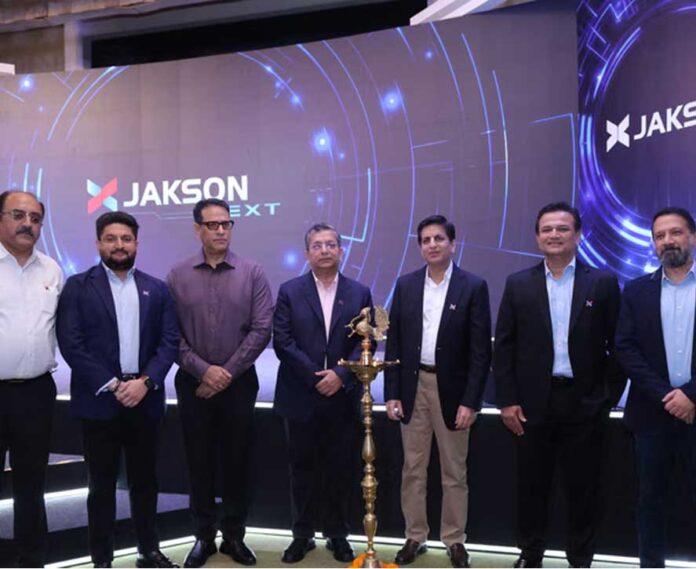
Jackson Group expands portfolio with five new energy and mobility products

Jackson Group has announced the addition of five new products to its portfolio including power generation, energy storage, solar solutions and electric mobility. The new lineup includes Genset Xtra, Battery Energy Storage System (BESS), Solar Kit, Mobile Light Tower (MLT) and an electric three-wheeler developed in partnership with the Bengaluru-based firm.

This expansion is in line with the company’s long-term strategy to strengthen its presence in key growth areas including distributed power, renewable energy and sustainable mobility. The Jackson Group recorded revenues of over Rs 9,000 crore in FY16 and since its inception as a diesel generator manufacturer in 1947, it has continuously evolved into a diversified energy and infrastructure solutions provider.

Product Portfolio Expansion

The newly introduced Genset Xtra is a compact diesel generator designed for small commercial establishments and residential applications such as retail shops, bungalows and ATM establishments. The company aims to meet the growing demand for reliable backup power solutions in urban and semi-urban markets.

Jackson’s Battery Energy Storage System (BESS) is available in four variants – 3 KVA, 5 KVA, 10 KVA and 15 KVA – for both residential and commercial users. The system has a zero-maintenance design and is intended to provide reliable backup power while supporting renewable energy integration.

The Solar Kit is a comprehensive rooftop solar package conforming to Ministry of New and Renewable Energy (MNRE) and Indian Standard requirements. The package includes photovoltaic module, inverter, combiner box, connector, lightning arrester and earthing kit, providing an end-to-end solar installation solution.

Mobile Light Tower (MLT) is engineered for infrastructure development, defense applications, construction sites, disaster response operations and outdoor events. According to the company, the system offers a runtime of 40-50 hours and an operational lifetime of up to 50,000 hours.

Entering Electric Mobility

The Jackson Group’s electric three-wheeler is the company’s first entry into electric mobility. The vehicles are being developed in collaboration with a Bengaluru-based partner, although pricing and commercial launch timelines have not been revealed yet.

Chairman Sameer Gupta said the company’s scale enables it to deliver future-ready energy solutions for both domestic and international markets. Vice Chairman Sandeep Gupta highlighted the growing demand for efficient and reliable energy solutions, while Sudhanshu Pokhriyal described the launch as a milestone in combining reliability with sustainability.

expanding energy footprint

The announcement comes as India accelerates renewable energy deployment and electric vehicle adoption. Jackson Group currently operates six manufacturing facilities, more than 30 domestic sales offices and 12 international offices. The company serves more than 100,000 customers through an extensive dealer and channel partner network across multiple markets.

With this portfolio expansion, JAKSON Group aims to strengthen its position in distributed energy solutions while supporting India’s transition towards cleaner and more sustainable energy infrastructure.