Home Blog Page 7

Tata Motors delivers first batch of Prima E.55S electric trucks to BillionE Mobility AutoGuideIndia

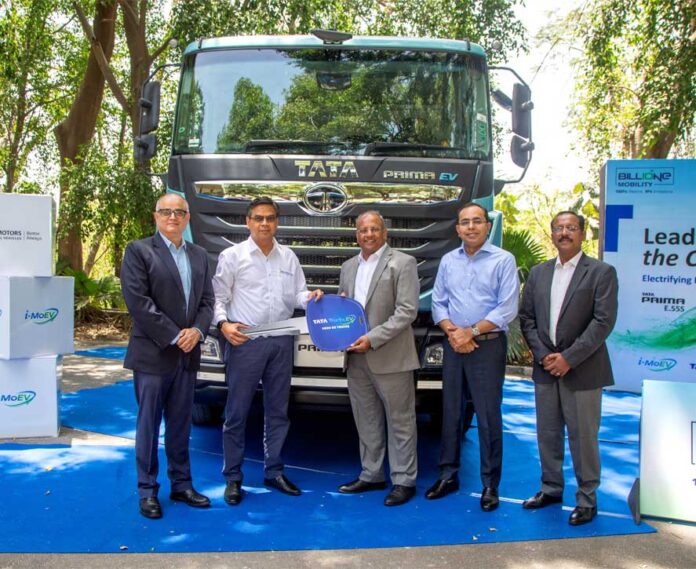
Tata Motors has commenced delivery of the first batch of Tata Prima E.55s to BillionE Mobility, marking an important step towards zero-emission heavy-duty freight transport. The company also secured an additional order for 250 electric prime movers, highlighting the growing acceptance of sustainable logistics solutions.

The fleet will be delivered in phases and deployed in key freight corridors in Gujarat, Rajasthan, Tamil Nadu, Karnataka, Maharashtra, Delhi NCR and Haryana. These electric trucks will support long distance transportation of key industrial goods including steel, cement and other bulk cargo.

The handover ceremony, attended by Girish Wagh, Karthikeya Hariyani and Rajesh Kaul along with senior leadership teams from both organisations, marks a major milestone in accelerating zero-emission freight mobility in India.

Acquiring the e-truck, Mr. Kartikeya Hariyani, Founder of BillionE & ChargeZone and Mr. Sanjeev Kulkarni, CEO, BillionE Mobility said, “At BillionE Electric Mobility our focus is on building electric commercial vehicle solutions that can be deployed reliably and at scale in real freight operations for inter-city routes. We are entering into a strategic partnership with Tata Motors as we aim to achieve systematic large-scale acquisition and deployment in a month-by-month planned manner. “We have to accelerate our commitment to the pipeline.” Target of 1,500 units of heavy-duty logistics in India in 6 to 18 months. Tata Prima E.55S delivers the performance, reliability and operational efficiency required for intensive logistics solutions in various applications. We are pleased to add the Prima E.55S 450kWh, India’s largest in-class battery capacity, to enhance our long distance logistics capabilities.

Sharing his vision, Mr. Rajesh Kaul, Vice President and Business Head – Trucks, Tata Motors Limited, said, “Electric trucking scales when vehicles are built for real operating conditions – duty cycle, uptime, energy efficiency and total cost of ownership. Developed with this application-led approach, the Prima E.55S brings together India’s first high-performance e-axle, an advanced battery management system and dual charging ports, creating a segment-leading The 450 kWh battery pack is designed for extended range and demanding duty cycles, helping customers achieve faster payback. Our close collaboration with the vehicle and supporting ecosystem has enabled reliable electric operations across key freight corridors.

The Tata Prima e.55S, part of the wider Tata Trucks.EV range, is built on i-MoEV – Tata Motors’ advanced electric vehicle architecture – and features an all-electric drivetrain with integrated e-axle and regenerative braking. Powered by a 450kWh battery pack, the truck offers a range of up to 350 km on a single charge. Key features include a 3-speed auto shift transmission, dual-gun fast-charging capability, and a comprehensive suite of safety technologies like driver monitoring system, lane departure warning, tire pressure monitoring system, cruise control, electronic braking system, and optional ADAS. The premium Prima cabin is designed to enhance driver comfort and productivity, supporting efficient long-range operations.

Tata Motors continues to pioneer future-ready mobility solutions across multiple alternative fuel technologies including battery electric, CNG, LNG, hydrogen internal combustion and hydrogen fuel cells. The company offers one of India’s widest portfolio of alternative fuel commercial vehicles spanning small commercial vehicles, trucks, buses and vans. This is supported by end-to-end vehicle lifecycle solutions under the End-to-End Service 2.0 initiative and a nationwide service network of over 3,200 touchpoints, providing reliable performance and maximum uptime for customers.

By 2024, Billion Electric Mobility – one of India’s fastest growing e-MaaS (e-Mobility as a Service) company with over 125+ EV trucks running on its network. Till date, Billion Electric has achieved a total commercial delivery of 30,00,000 kilometers in terms of clean energy kilometers and has indigenously built its advanced technology-driven fleet management system and integrated EV charging capabilities. As part of the Billion E platform in the areas of renewable energy, charge zones (for EV charging) and mobility, Billion Electric Mobility continues to fulfill its commitment to help India build its energy security while making the environment pollution free and helping Indian corporates achieve their sustainability targets.
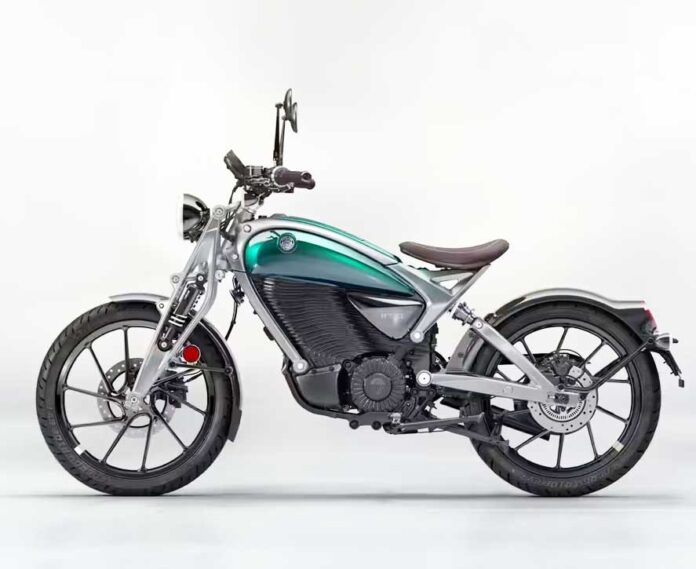
Royal Enfield Flying Flea C6 launched at ₹2.79 lakh; The brand entered the electric motorcycle segment.

Royal Enfield has officially entered the electric motorcycle segment with the launch of the Flying Flea C6, which is priced at ₹2.79 lakh (ex-showroom). The company has also introduced a battery-as-a-service option, bringing the starting price down to ₹1.99 lakh.

Bookings and test rides for the Flying Flea C6 will begin on April 10 at Royal Enfield’s first dedicated electric store in Bengaluru, with deliveries scheduled to begin by the end of May 2026. The rollout will follow a phased, city-by-city approach, starting with Bengaluru.

The Flying Flea C6 is powered by a 3.91 kWh battery and offers a top speed of 115 km/h with over 400 Nm of wheel torque. Weighing 124 kg, this electric motorcycle supports fast, standard and trickle charging using a wall outlet. According to the company, the battery can be charged from 20% to 80% in just 60 minutes.

Managing Director of Eicher Motors Limited and CEO of Royal Enfield B. Govindarajan said the launch marks the brand’s first step into electric motorcycles in its 125th year, with plans to expand its electric portfolio in the coming years.

Developed by a team of over 200 engineers in India and the UK, the Flying Flea C6 is backed by over 45 patent applications. The motorcycle also features connected technology including remote monitoring, navigation and over-the-air (OTA) updates. Rider assistance features include traction control and lean-angle ABS, enhancing both performance and safety.

Royal Enfield confirmed that the Flying Flea C6 is the start of a broader electric vehicle roadmap, with additional electric motorcycles already under development.

Olectra launches new brand identity, unveils “Transforming Everyday” vision for electric mobility

Oletra Greentech Limited, India’s leading electric bus manufacturer, has announced the launch of its new brand identity. The refreshed brand identity reflects Olectra’s evolution from a leading electric bus manufacturer to a forward-looking, innovation-driven organization focused on providing integrated mobility and energy solutions.

The refreshed identity introduces a modern visual language, an incisive narrative and a unified voice aligned with Olectra’s long-term vision – to drive the global transformation towards a responsible future through sustainable and value-driven mobility and energy solutions.

In line with this vision, Olectra’s mission is to be the trusted partner in mobility and energy solutions by providing accessible innovation, execution excellence and a transformative customer experience, thereby creating outstanding value for all stakeholders.

Olectra’s new tagline, “Transforming Everyday”, reflects its commitment to creating meaningful impact across the entire ecosystem – enhancing everyday mobility for citizens, enabling communities, empowering partners and driving purpose within the organization.

The brand repositioning is based on three main pillars: practical futurism, accessible innovation and trusted leadership. These principles define how Olectra approaches product development and market engagement – ​​building future-ready platforms based on real-world conditions, ensuring innovations remain usable and scalable, and positioning the company as a trusted partner to the ecosystem.

The identity also reinterprets Olectra’s existing visual elements. The central triangle, reimagined as the Olectra Prism, represents structural integrity and purposeful direction, while the surrounding circle, the Olectra Universe, reflects the broader ecosystem of stakeholders, cities, and infrastructure provided by the company.

Commenting on the launch, Mahesh Babu, Managing Director, Olectra Greentech Limited, said: “Olectra’s new brand identity is not just a visual change – it represents our ambition, mindset and the direction we are going. It ensures that our brand, organization and long-term strategy are aligned. As we transform from a leading electric bus manufacturer to a future-ready, innovation-led organization providing integrated mobility and energy solutions, this new identity is at the core of our values and reflects our commitment to ‘transforming’ the everyday mobility and energy ecosystem.”

With strong manufacturing capabilities, a growing order pipeline in government sectors and an expanded portfolio that includes electric buses, trucks and tippers, Olectra enters this next phase from a position of operational strength. The new brand identity formalizes the direction the company is continuously building and lays the foundation for deeper engagement with markets, partners and the broader EV ecosystem.

Middle class favorite Pulsar 180 is back again, powerful bike at affordable price.


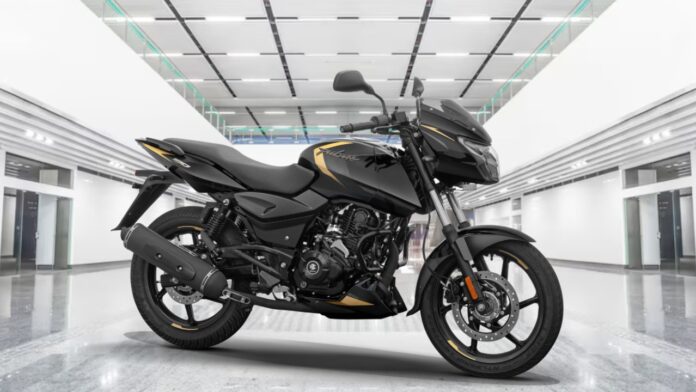
Pulsar 180 Launch: Bajaj Auto has re-launched its popular bike Pulsar 180 in the market. The company had discontinued this model in 2022, leaving a big gap in the Pulsar range.

Updated On:
Apr 10, 2026 | 01:49 PM

Bajaj Pulsar 180 Price: Once again a big change has been seen in the favorite bike series of Indian youth. Bajaj Auto has re-launched its popular bike Pulsar 180 in the market. The company had discontinued this model in 2022, leaving a big gap in the Pulsar range. Now with the return of this bike, the gap between 150cc and 220cc has closed, giving customers a balanced option.

Price and who will compete with it?

The new Pulsar 180 has been launched at a price of ₹1.22 lakh (ex-showroom). This bike will be available in five attractive colors: Black-Gold, Blue-Black, Black-Grey, Black-Red and White.

In terms of price, it is about ₹ 12,000 more expensive than Pulsar 150, but proves to be better in terms of features and power. Its direct competition is with TVS Apache RTR 180, in comparison to which it is cheaper by about ₹ 4,000.

related news

Engine and performance: Strong power assurance

Pulsar 180 has a 178.6cc single-cylinder, air-cooled engine, which generates 17 horsepower and 15Nm torque. It has a 5-speed gearbox, which gives smooth riding experience.

Compared to the old model, it gets 0.8Nm more torque, while there has been no change in power. Compared to Pulsar 150, this bike gives 3HP more power and 1.75Nm more torque, due to which its performance becomes better.

Features and Design Classic look with a modern touch

This time the company has introduced the bike with new age features. In this:

LED Headlamp LCD Digital Dash Rear Disc Brake Single-channel ABS

For suspension, telescopic forks are provided at the front and twin shock absorbers at the rear. The bike has a large fuel tank of 15 liters and a weight of 156 kg, which makes it suitable for long rides also.

Also read: Petrol expenses are over, Royal Enfield’s cheap electric bike launched, the price will not be heavy on your pocket.

Riding Experience and Specifications

The ground clearance of this bike is 165mm and it has 17-inch wheels. Also, tubeless tires of 90/120 section provide better grip and stability.

Why is the return of Pulsar 180 special?

This bike is a great option for those who want strong performance and style in a low budget. This has emerged as a perfect balance especially for the middle class youth.

Kia bets big on India as it prepares for smarter, cleaner and connected future –

The OEM puts customers at the center of its business strategy and in the medium to long term it intends to expand its mobility ecosystem with a strategic focus on PBV, autonomous driving and robotics, connecting people and infrastructure.

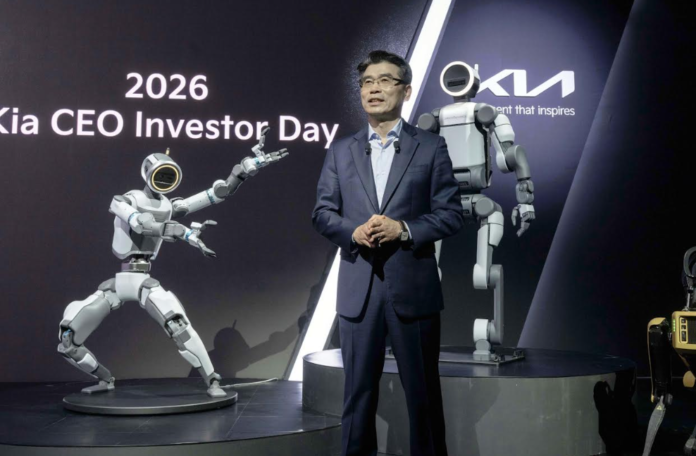
India will play a central role in Kia’s next phase of growth. As the company develops its global strategy, it is clear that the Indian market is not just another region, it is a key pillar of Kia’s long-term vision to become a leader in future-proof mobility. This message was made clear today by Mr. Ho Sung Song, President and CEO of Kia Corporation, during his speech at the 2026 Kia Investor Day.

The global OEM aims to achieve annual sales of 410,000 units in India by 2030 and a market share of 7.6%. This growth will be driven by an increased focus on electrification, a broader product lineup and a stronger on-the-ground presence. The company plans to expand its product portfolio to 10 models, including 8 electric vehicles, bringing electric and hybrid vehicles closer to Indian customers across various segments.

The push reflects a deeper shift. India is no longer viewed as just a volume market, it is becoming a strategic hub for Kia’s future technology and growth. With growing demand, improved infrastructure and strong policy support, China is becoming a key driver of the global electric transportation transformation.

Across the globe, Kia’s ambitions are equally strong. The company aims to sell more than 4.13 million vehicles annually by 2030, but more important is how it plans to get there. Electrification, software-defined vehicles and new mobility solutions are at the heart of this journey.

The company is betting big on electrification. The company plans to expand its electric vehicle lineup to 14 models and aims to sell 1 million electric vehicles annually by 2030. At the same time, the company is not abandoning traditional technology. Hybrid vehicles will play a strong role, with an annual sales target of 1.1 million vehicles, reflecting the reality that different markets are moving to electrification at different speeds.

But Kia’s vision goes beyond powertrains. The company is building an entirely new ecosystem around mobility. Its Platform Beyond Vehicle (PBV) strategy is a key part of this transformation. These are more than just vehicles, they are flexible, purpose-built mobility solutions designed for business, logistics and urban needs. Kia aims to create a new category with models such as the PV5, PV7 and PV9, aiming to sell 232,000 PBVs annually by 2030.

“Based on innovations in various fields such as branding, electric vehicles, PBV and ESG over the past five years, electric vehicles, hybrid vehicles, autonomous driving and robotics will become the key drivers of Kia’s fastest growth to date. Even in the changing global environment, Kia will actively respond to the changing market environment through differentiation strategies,” Mr. Song added.

technology

Technology is another focus. Kia is moving to software-defined vehicles that can evolve over time through updates and data. Its first such model is expected to be launched in 2027, marking a shift from traditional hardware-driven vehicles to smart, connected platforms.

Underpinning all this is a massive investment plan of 49 trillion won over five years (an increase of 7 trillion won over the previous plan (2025-2029)), focusing on electrification, autonomous driving and robotics.

It’s worth noting that the definition of a car company is changing. OEMs believe success is no longer just about design, performance or brand heritage. It’s about building connected ecosystems, delivering software-led experiences, and creating mobility solutions that transcend ownership.

Kia’s India strategy is closely linked to its global transformation. As the company evolves from a carmaker to a mobility solutions provider, India is emerging as one of its most important growth engines – both in terms of scale and in shaping the future of mobility.

Yuma Energy partners with Quantum Energy for battery swapping integration on quantum business AutoguideIndia

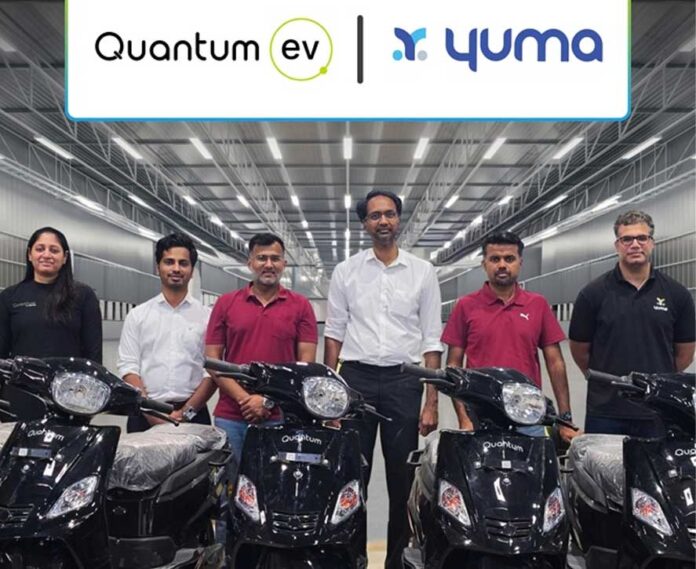
Yuma Energy has partnered with Quantum Energy to integrate battery swapping compatibility for the Quantum Business, an electric scooter designed for high-use commercial and last-mile mobility applications. The collaboration aims to accelerate electric vehicle adoption by reducing downtime associated with traditional charging.

With this partnership, Quantum Business will leverage Yuma Energy’s battery swapping ecosystem, helping riders replace dead batteries with fully charged ones within minutes. The system offers minute-level swap times and a reported 99.9% network uptime, providing convenience equivalent to traditional refueling while improving operational efficiency.

This collaboration brings together Quantum Energy’s vehicle engineering capabilities and Yuma Energy’s battery swapping infrastructure to increase vehicle utilization, reduce operating costs and support sustainable mobility solutions. The integration is expected to particularly benefit fleet operators and commercial users who rely on continuous vehicle availability.

Commenting on the partnership, Muthu Subramaniam, Managing Director and General Manager, Yuma Energy, said electric mobility should work seamlessly for users who depend on their vehicles on a daily basis. He said integrating battery swapping for quantum businesses will help eliminate downtime, improve productivity and increase earning potential while accelerating the transition to sustainable mobility.

Chakraborty C, managing director of Quantum Energy, said the integration of Yuma Energy’s battery swapping solution enhances convenience and operational efficiency for commercial users. He said this collaboration is in line with Quantum Energy’s focus on developing practical and scalable electric mobility solutions tailored to Indian conditions.

Yuma Energy currently operates one of India’s fastest growing battery swapping networks, while Quantum Energy continues to develop electric two-wheelers focused on reliability and performance for Indian mobility needs.

India’s electric CV segment doubles in FY2026, E3W market deepens –

India’s electric commercial vehicle transformation is gathering pace and with improving infrastructure and increasing adoption, it is fast becoming one of the most competitive and fast-growing segments in the industry.

The Indian electric commercial vehicle (CV) market entered a phase of rapid growth in fiscal 2026, with total retail sales more than doubling to 19,454 units, a year-on-year growth of 120.6%, compared with 8,820 F25 units. Electric vehicle penetration in the commercial vehicle segment has also increased from 0.93% in FY2025 to 1.83% in FY2026, indicating a gradual but significant shift towards electrification in freight and passenger travel.

However, the growth story is not uniform. It reflects a dynamic mix of established leaders consolidating their positions and new-age players aggressively expanding.

Tata Motors continues to lead the electric commercial vehicle segment with retail sales of 6,023 units (4,291 units) in FY26, a steady growth of 40.4%. Its leading position is supported by early investment, a strong product lineup and a growing ecosystem, particularly in the small commercial vehicle segment.

Mahindra Group has emerged as a major force in the last financial year, driven mainly by its last-mile mobility business. Mahindra’s total physical sales reached nearly 5,773 units (1,711 units), with Mahindra Last Mile Mobility alone contributing 2,885 units, a growth of over 239%. This highlights Mahindra’s strong focus on electrification of last-mile transportation.

Switch Mobility also attracted attention, with sales reaching 2,255 units (889 units), an increase of 153.7%. Its focus on electric buses and fleet solutions is helping it build a strong presence in the space.

Euler Motors’ performance was the most impressive, with sales increasing significantly to 2,093 units (76), a 27-fold increase, reflecting the rapid adoption of electric freight solutions in urban logistics and e-commerce applications.

PMI Electro Mobility and JBM Auto continued to consolidate their positions in the electric bus segment, with 1,147 units (482 units) and 1,150 units (379 units) respectively, both achieving strong triple-digit growth. Their performance highlights the increasing electrification of public transport.

Olectra Greentech, a major player in electric buses, reported a more modest 21.5% growth with sales of 903 units (743 units), indicating a more stable and mature growth phase.

VE Commercial Vehicles (VECV) performed strongly, with sales reaching 701 units (187 units), an increase of 274.9%, indicating its increasing emphasis on electrification in various market segments.

Among the emerging players, Tivolt electric vehicles stood out with exponential growth reaching 503 units, while Pinnacle Mobility and IPL Tech Electric registered 446 and 233 units respectively, reflecting the entry of specialized and niche players into the market.

Jaidka Power Systems and Energy In Motion are gradually establishing their presence and contributing to the expansion of the competitive landscape, selling 201 and 185 units respectively in the last fiscal year.

Overall, the electric commercial vehicle market in India is growing rapidly. While Tata Motors has maintained its lead, the gap is narrowing as several established and new car companies aggressively expand. This growth is driven by last-mile logistics, electrification of public transportation, and growing demand for cost-effective mobility solutions.

The 3W market continues to deepen as participants grow and diversify

India’s electric three-wheeler (3W) market continues to lead the country’s electric vehicle transformation, with penetration rising from 57.2% in FY2025 to 60.9% in FY2026. Total retail sales increased to 830,000 vehicles (698,000 vehicles), a year-on-year increase of 18.9%.

While the segment is already highly electrified, the latest data shows the competitive landscape is changing, with strong growth from both established players and emerging challengers.

Mahindra Group once again remained the clear market leader, crossing the 100,000-unit mark with 1,01,873 units (69,579 units) and recording a healthy growth of 46.4%. Its dominance has been largely driven by Mahindra Last Mile Mobility, which alone has contributed over 100,000 vehicles, cementing its stronghold in the passenger and cargo last-mile segment.

Bajaj Auto continued to consolidate its position as a major challenger with sales of 89,604 units (50,851 units), a strong growth of 76.2%. Its aggressive push into the electric three-wheeler segment has clearly paid off.

Among traditional players, Piaggio fell 25.8%, indicating pressure from newer, more competitive products. Likewise, YC Electric, Saera Electric and Dilli Electric Auto also posted declines, reflecting increased competition and possible consolidation in the market.

TVS Motor Company, on the other hand, emerged as one of the fastest growing companies with sales surging to 27,831 units (1,696 units) albeit from a low base, a 15-fold increase. This marks a strong entry and rapid expansion in the field.

Zeniak Innovation and Hooghly Motors also posted strong double- and triple-digit growth, highlighting the rising influence of regional and emerging players. Aahana Commerce stands out with a growth of 179%, further increasing the competitive intensity.

Terra Motors and JS Auto reported steady growth, while the likes of Energy Electric Vehicles and Unique International EV posted modest declines, pointing to mixed results for mid-sized manufacturers.

The “Others” category continued to account for a significant share of sales, with over 420,000 units sold, an increase of 9.4%, underscoring the highly fragmented nature of the segment.

Overall, the Indian electric three-wheeler market is no longer just about early adoption, but about scale, competition and consolidation. While leaders like Mahindra continue to dominate, strong growth from Bajaj, TVS and several emerging players is reshaping the competitive landscape.

The key takeaway is that the E3W segment is the most mature EV segment in India, but it is also emerging as one of the most dynamic, with competition intensifying as players compete for the next phase of growth.

India’s EV policy at the intersection of global trade and Tesla’s entry: Aruni Srivastava |

India’s evolving electric vehicle policy is no longer just about accelerating clean mobility – it is fast becoming a test case for how emerging economies balance industrial ambition, global trade rules and strategic technology partnerships. As Tesla’s anticipated entry into India attracts global attention, the country’s EV framework finds itself at the intersection of investment attractiveness, domestic industry protection and WTO commitments. This moment represents more than a policy change; This prompts a broader recalibration of how India manages market access in a rules-based global economy.

In this guest analysis, Aruni R. Srivastava examines how India’s calibrated EV strategy reflects the deep tension between openness and security, and what Tesla’s potential entry reveals about the country’s evolving business architecture. Drawing inspiration from international economic policy, trade law and development strategy, the article explores whether India can successfully align its industrial goals with multilateral trade disciplines – and what this means for the future of electric mobility and global investment flows.

In contemporary trade policy, the central question is no longer whether the state should intervene, but rather how such intervention is structured within an increasingly rules-based global order. India’s growing electric EV infrastructure—particularly in anticipation of Tesla’s entry—reflects this shift with unusual clarity. What is emerging is not a straightforward case of liberalization or protection, but a more deliberate exercise in managing market access under legal and economic constraints.

India’s transition towards electric mobility is driven by the convergence of environmental commitments and industrial ambition. With transportation accounting for a significant portion of emissions and a declared path toward net-zero, a policy emphasis on EV adoption is both necessary and strategic. Recent adjustments in import duties – based on commitments towards domestic manufacturing – reflect an effort to attract leading technology while embedding it within the local production ecosystem. In principle, this is consistent with a familiar developmental logic: leveraging foreign investment to accelerate domestic capacity.

Yet the structure of this approach introduces more complex dynamics. India’s policy does not open the market equally, nor does it protect only domestic producers. Instead, it differentiates between entrants, shaping access through conditional incentives and regulatory discretion. This form of selective market structure may be economically intuitive, but it sits uneasily within the framework of the World Trade Organization (WTO), where the principles of non-discrimination remain fundamental.

The most-favoured-nation (MFN) principle underlying Article I of the General Agreement on Tariffs and Trade (GATT) requires that any advantage given to one trading partner be made available to all. Preferential pathways – whether through tariff concessions, early entry, or tailored incentives – therefore risk being interpreted as discriminatory if not applied equally. The issue is not merely theoretical. WTO jurisprudence has consistently demonstrated that selective treatment, especially when it alters competitive conditions, can invite scrutiny under the dispute settlement mechanism.

India’s situation becomes more complex when viewed alongside its approach to other external actors, particularly Chinese manufacturers. Safeguard provisions under Article XIX of GATT and the Agreement on Safeguards allow temporary protection against import surges, but only under strict conditions: clear injury, transparency and non-discriminatory application. A policy environment that facilitates entry for one global manufacturer while restricting others introduces legal ambiguity. The question is not whether India can deploy safeguards, but whether such measures can be combined with preferential access.

From an economic perspective, this tension reflects a familiar second-best problem. Safeguards and preferential incentives may serve short-term objectives – protecting domestic industry or attracting high-value investment – ​​but they do so by distorting market signals. Selective protection reallocates resources in ways that may not be welfare-enhancing, while regulatory uncertainty increases the costs of entry for both domestic and foreign firms. For potential competitors, the lack of clear, time-bound policy commitments complicates investment decisions and undermines forecasting.

The result is a form of strategic ambiguity. India, on the one hand, wants to establish itself as a reliable destination for advanced manufacturing and technology investment. On the other hand, it is committed to promoting the domestic industry through protective and promotional measures. These objectives are not inherently incompatible. Indeed, many development trajectories have depended on such dual strategies. The difficulty lies in maintaining coherence – ensuring that policy instruments are both economically rational and legally defensible.

This pattern of calibrated openness is not limited to the EV sector. In strategically sensitive industries, there are signs of a broader approach in which market access is mediated through regulatory design rather than granted unconditionally. In the near term domain, the debate around the entry of frontier technologies has reflected the balance between domestic power and external involvement. Although regional dynamics vary, the underlying principle remains consistent: integration without complete liberalization.

In the EV context, Tesla’s potential entry serves as the focal point of these dynamics. The company’s technological capabilities and global positioning make it an attractive partner in India’s transformation. At the same time, its presence gives rise to legitimate concerns among domestic producers regarding competitive asymmetry and market displacement. The policy response – adjusting tariffs, signaling openness to investment, resorting to safeguards – suggests attempting to navigate these competitive pressures without completely resolving them.

The sustainability of this approach depends on its alignment with WTO disciplines. Environmental objectives, including the promotion of clean technologies, may provide legitimate grounds for policy intervention under Article XX of GATT. However, such justifications should be applied consistently and without disguised restrictions on trade. Similarly, safeguard measures must remain temporary, proportionate and non-discriminatory. Any deviation risks legal challenges to the policy, which also impacts trade relations and investor confidence.

A more sustainable route may be to shift the emphasis from entry management to capacity building. Policy instruments that enhance domestic competitiveness – such as targeted research and development support, performance-based incentives and structured technology transfers – provide a means of achieving industrial objectives while remaining broadly consistent with multilateral commitments. These approaches reduce reliance on trade-distorting measures and provide clear signals to market participants.

Ultimately, the significance of Tesla’s entry lies less in the firm itself than in what it says about India’s evolving trade policy. The current framework reflects an attempt to reconcile competing imperatives: development and security, openness and control, ambition and constraint. Whether this harmony proves sustainable will depend on the extent to which policy can move from selective discretion to systematic design.

In this sense, the question of whether Tesla represents disruptive innovation or innovative disruption is secondary. The more consequential issue is whether India’s policy architecture can accommodate such entry without reducing its coherence. If successful, it could offer a model for other developing economies toward similar transformation. If not, risks of legal competition, economic distortions and strategic inconsistency are likely to remain.

Therefore, the challenge is not one of intention, but of execution. In a system where trade rules and economic incentives are increasingly intertwined, the margin for ad hoc intervention is limited. India’s ability to align its industrial strategy with WTO disciplines will determine not only the trajectory of its EV sector, but also its broader credibility within the global trading system.

About the Author: Aruni Srivastava holds an MA in Law and Diplomacy from The Fletcher School (Tufts University) and the Robert D. Hormets Scholar in International Economic Studies. His work focuses on trade, political economy, and development policy, with grassroots experience in rural India as well as academic experience at Harvard Kennedy School and Harvard Law School. An international economic relations scholar specializing in technology, trade and geo-economics, he has also worked in development economics as an advisor to Barefoot College and as a Fellow of the SBI Youth for India Fellowship – bringing a rare blend of policy, academic and grassroots perspectives to India’s emerging EV debate.

India’s electric passenger car market transforms, growing 84% in FY2026 –

Behind this strong growth, each OEM is charting its own course, developing unique strategies and achieving varying degrees of success.

The Indian electric passenger vehicle (EV PV) market entered a decisive growth phase in fiscal 2026, with retail sales increasing significantly to nearly 200,000 units, an impressive 83.6% year-on-year growth. At the same time, the penetration of electric vehicles in the passenger car segment increased from 2.6% in fiscal 2024 to 4.2% in fiscal 2025, marking a steady shift towards electrification.

But behind this strong performance lies the hard work and desire of each OEM, which is forging its own path, with varying degrees of success and strategy.

Tata Motors Passenger Cars continues to lead the electric vehicle race with retail sales of 78,811 units (57,994 units) in FY26, a growth of 35.9%. The company’s strengths lie in its first-mover advantage, broad product portfolio and strong ecosystem, which continue to solidify its leadership position despite increasing competition.

JSW MG Motor India has emerged as a strong challenger with sales of 53,089 units (30,569 units), a significant growth of 73.7%. Its focused EV portfolio and aggressive positioning have helped it gain meaningful share, making it one of the fastest-expanding players in the space.

Mahindra & Mahindra became the biggest disruptor this year, with sales of electric vehicles soaring to 42,721 units (8,426 units), an increase of 407%. This reflects a clear shift in its strategy and is supported by new product launches and strong market acceptance.

Hyundai Motor India and BYD India are also gaining traction, but at a more cautious pace. Hyundai showed early momentum with sales of 5,885 units (2,477 units), a strong increase of 137.6%, while BYD continued to establish its niche in the premium electric vehicle segment with sales of 5,361 units (3,481 units), a solid increase of 54%.

Kia India, despite starting from a lower starting point, recorded the highest growth rate of 794%, reaching 3,738 units as compared to 418 units in the same period last year. This shows that the company is entering the electric vehicle space early, but the area may expand further as the product portfolio expands.

In the luxury segment, BMW India performed strongly, selling 3,537 units (1,580 units), a growth of 123.9%, highlighting the growing demand for premium electric vehicles. However, Mercedes-Benz sales edged down 9.5% to 1,047 units (1,157 units), reflecting a more cautious or transitional phase in its electric vehicle journey.

New entrants and emerging players are also beginning to emerge. VinFast first launched with sales of 2,390 units, while Tesla India sold 342 units, marking an early stage of activity in the market. Although Maruti Suzuki dominates the internal combustion engine car segment, it has just entered the electric vehicle segment with 1,416 units, indicating a late but potentially significant entry.

On the other hand, some OEMs are facing headwinds. Stellantis fell sharply by 71.4% to 576 units (2,013 units), while Volvo fell slightly by 5.2% to 382 units (403 units), underlining the challenges of expanding electric vehicle sales.

Overall, the market is clearly expanding, but the competitive landscape is also becoming more dynamic. While leaders such as Tata Motors continue to dominate, challengers such as MG and Mahindra are rapidly closing the gap. At the same time, global players and new entrants are testing the waters, further adding to the market’s complexity.

The bigger takeaway is obvious – India’s EV transition is no longer a wave of the future; it’s actively underway. As the OEM strategy evolves, the next phase of growth will depend not only on volume, but also on innovation, positioning and the ability to sustainably expand.

Maruti is going to bring 4 new cars, everything from SUV to EV will be available.


Maruti New Cars 2026: Maruti Suzuki has started 2026 by launching its first electric SUV Maruti e Vitara. Now the company is preparing to launch 4 more new vehicles this year.

Updated On:
Apr 07, 2026 | 06:52 pm

Maruti Upcoming Cars India: The country’s largest car manufacturer Maruti Suzuki has started 2026 by launching its first electric SUV Maruti e Vitara. Now the company is preparing to launch 4 more new vehicles this year. These will include facelifted models, updated cars and an all-new electric MPV.

Brezza Facelift: New look, new features

Maruti Brezza could be the next big launch of the company. After the update in 2022, this SUV will once again come in a new avatar. Redesigned grille, new bumpers, updated LED headlamps and tail lamps can be seen in the new Brezza. The interior is expected to get premium features like a large 10.1 inch touchscreen, ventilated seats and panoramic sunroof.

Wagon R: There will be a big update again

Maruti Wagon R may also get a second facelift this year. Features like new front grill, new color options and USB Type-C can be added to it. The company can provide a new underbody tank in the CNG version, which will improve the boot space which will be a big relief for family users.

related news

First electric MPV: A blast at festivals

Maruti Suzuki is also working on its first electric MPV, which is currently codenamed YMC. This model will be based on the same platform as Vitara and may be launched around the festive season. This car will compete with vehicles like Kia Carens Clavis EV.

It is likely to get two battery options:

48.8 kWh battery: approx 400 km range 61.1 kWh battery: approx 500 km range

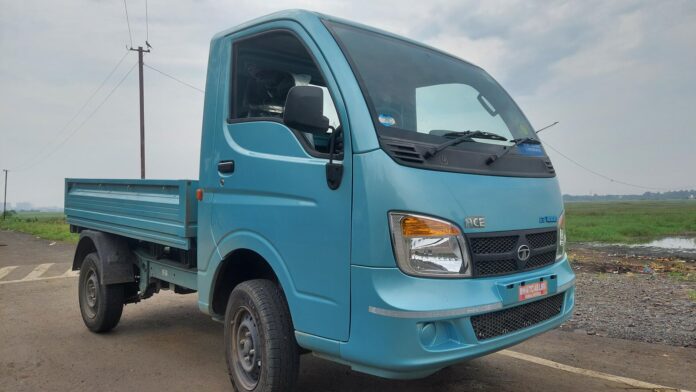
Also read: Big work at low cost, Tata Intra EV launched for Rs 11.95 lakh, now business will run without petrol and diesel

Grand Vitara Facelift: An even smarter SUV

Maruti Grand Vitara is also expected to get a facelift this year. Newly designed bumpers, headlamps, tail lamps and new alloy wheels will make its look more premium. Talking about the inside, it can get advanced features like large digital instrument cluster, 10.1 inch touchscreen, Level 2 ADAS and powered tailgate. There will not be much change in the engine, but the CNG version may get better boot space.

Something new for every budget

Maruti Suzuki is preparing to offer something new in every segment this year, be it budget hatchback, SUV or electric MPV. This year is going to be special for middle class customers, because now more features and new technology are going to be available at lower prices.