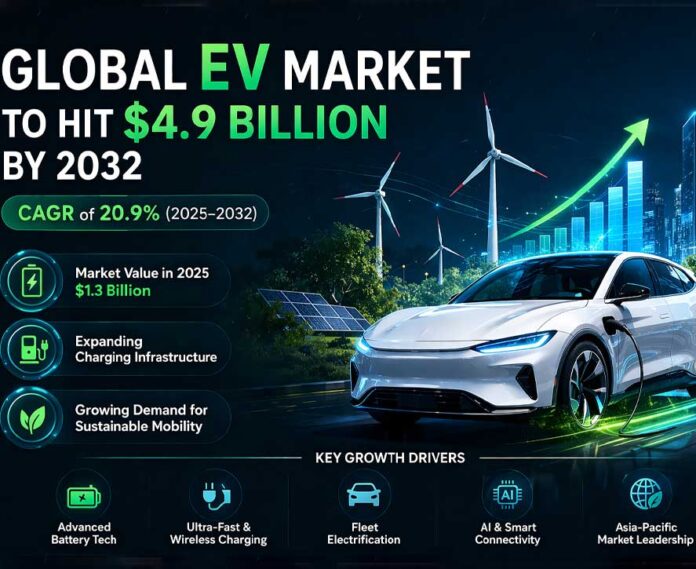
According to a report by Maximize Market Research, the global electric vehicle (EV) market, which was valued at $1.3 billion in 2025, is expected to grow at a CAGR of 20.9% to reach about $4.9 billion by 2032. The global electric vehicle market report highlights the key trends driving the industry, market size, and future projections to 2025.
Growth in the EV sector is being fueled by advances in lithium-ion and solid-state battery technologies, expansion of charging infrastructure and strong government incentives. Innovations in autonomous driving, ultra-fast and wireless charging and propulsion systems, along with increasing adoption in passenger vehicles, commercial fleets and battery electric vehicles (BEVs), are reshaping the market landscape.
key growth drivers The market is witnessing rapid expansion due to widespread development of charging infrastructure, falling battery costs and increasing demand for sustainable mobility. Fleet electrification, especially in logistics and transportation, is accelerating its adoption across sectors including two-wheelers and commercial vehicles.
Challenges hindering development Despite strong momentum, the EV market faces several obstacles. The lack of standardized charging systems – such as incompatibilities between CHAdeMO, CCS and GB/T – continues to create barriers. High upfront costs, especially in emerging markets, and limited charging infrastructure in rural areas also prevent widespread adoption.
emerging opportunities Significant opportunities lie in fleet electrification, energy storage technologies and innovations such as ultra-fast charging, wireless charging, battery swapping and vehicle-to-grid (V2G) systems. Government subsidies and tax incentives are further encouraging investment from automakers, infrastructure providers and logistics companies.
Technology is changing the market Smart connectivity is playing a vital role in enhancing EV performance. IoT-enabled vehicles, AI-powered energy management and autonomous technologies are enabling real-time data insights, predictive maintenance and improved fleet efficiency.
regional insight Asia-Pacific continues to dominate the global EV market, with China expected to account for more than 70% of electric car sales in 2025. Meanwhile, India, Japan, South Korea and ASEAN countries are emerging as key growth markets, supported by favorable policies, infrastructure development and local manufacturing initiatives.
Sustainability as a competitive advantage Companies are increasingly focused on building a sustainable EV ecosystem. Initiatives such as battery recycling, solar-powered charging infrastructure and green manufacturing practices are gaining momentum, attracting environmentally conscious consumers and strengthening the market position.
Overall, the global EV market is on a strong growth path, driven by technological innovation, policy support and the ongoing shift towards sustainable transportation.
Home Ev Charging Could Prove Costly Alert Issued Following Indore Incident – EV charging at home can be costly, alert after Indore accident, small mistake can cost life, know safety tips.
Hindi News »
automobile »
Home Ev Charging Could Prove Costly Alert Issued Following Indore Incident
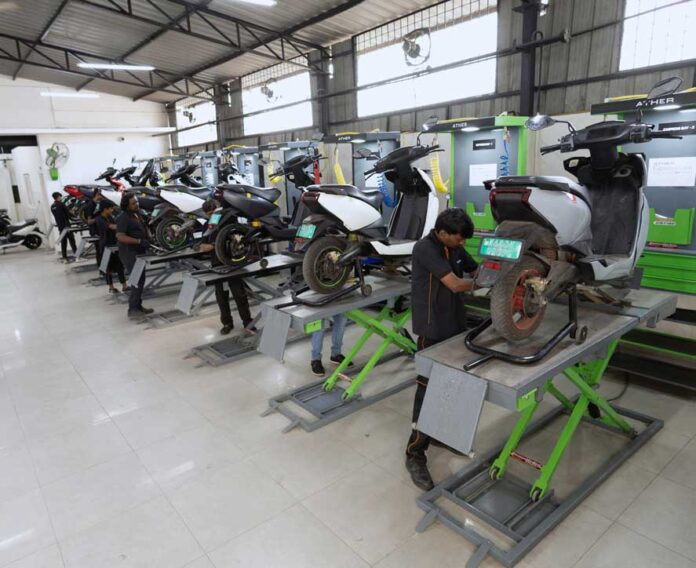
Ather Energy has announced a significant expansion of its service infrastructure, increasing its network to 500 authorized service centers across India within a year.
This expansion is in line with the company’s rapidly growing retail footprint and customer base. Since its inception, Ather Energy has prioritized setting up service support in every city where it operates, ensuring a seamless ownership experience for its customers.
This milestone underlines the company’s continued focus on strengthening after-sales support and making electric vehicle ownership more convenient and accessible for riders across India’s diverse markets.
In addition to expanding its service network, Ather continues to invest in service quality, efficiency and customer experience. For example, Ather’s Gold Service Centers are equipped with modern customer lounges, advanced service tools and streamlined processes that enhance transparency and reliability. Along with standard servicing, Ather’s ExpressCare initiative, a 60-minute periodic maintenance service, is available across 82 centres, allowing riders to complete routine maintenance quickly and easily without compromising on quality. In FY26, Ather Energy almost doubled its service network, expanding from 277 to 500 service centers and significantly increased its service footprint. These initiatives reflect Ather’s continued focus on continuously improving the service experience at every touchpoint.
Commenting on the milestone, Ravneet Singh Phokela, Chief Business Officer, Ather Energy, said, “Crossing 500 service centers is an important milestone as we continue to grow our retail footprint and customer base across the country. From the early days, we have focused on building sales as well as service capability as reliable after sales support is a core part of the overall ownership experience. As our presence grows, it becomes even more important to have a strong service network. Our The focus is on ensuring riders have access to trained technicians, transparent processes and consistent service quality, no matter where they are.”
This expansion comes amid strong demand for Ather scooters, including the Ather 450 performance line and Rizta family scooters, which have broadened the company’s reach into new customer segments and markets. By expanding its service network along with retail, Ather now provides reliable and timely support across Tier-1, Tier-2 and emerging cities, fulfilling its plan to reach 700 experience centers by FY26. As of December 31, 2025, Ather Energy has 600 experience centres.
Along with service expansion, the company continues to strengthen India’s EV ecosystem through Ather Grid, the country’s largest two-wheeler fast-charging network with over 4,357 fast-charging points and neighborhood chargers globally (by December 31, 2025), ensuring convenient charging and comprehensive support for riders.
The Indian automotive market is entering a software-first era, with 95% of consumers willing to pay for software-defined vehicle (SDV) features such as safety, security and continuous vehicle health reporting, according to Deloitte’s India Global Automotive Consumer Study 2026.
India excels in its readiness for next-generation mobility, with 81% of consumers finding SDV helpful and 84% willing to adopt AI-powered customization. The findings signal a tectonic shift in how Indian buyers define vehicle value – from hardware-led ownership to connected, upgradeable and service-driven digital mobility. Strong openness to smart features, subscription-ready services and evolving vehicle experiences make India one of the most promising global markets for software-led automotive transformation.
Safety, security and data trust take center stage
Safety, security and trust are becoming the defining pillars of connected mobile adoption in India. Consumers prioritize protection and monitoring features over convenience digital features, increasing their willingness to pay for SDV-enabled services.
At the same time, concerns about data sharing in connected vehicles are among the strongest in the world in India. About 73% of consumers are concerned about personal device data, while 72% are concerned about vehicle location data. These findings reflect rising expectations for transparency, privacy protection and responsible data governance.
“India is entering a new era of mobility shaped by intelligence, sustainability and systems innovation. Going forward, leadership in mobility will not only depend on the scale of vehicle production but also on the strength of the digital, energy and trust ecosystem around the vehicle. With its scale, technological depth and rapidly expanding innovation landscape, India has the potential to help shape the global direction of software-led, safe and sustainable transportation,” said Rajat Mahajan, partner and automotive leader, Deloitte India.
Physical channels remain critical
Despite the rapid pace of digital transformation, physical engagement channels still play a critical role. Nearly 58% of consumers place the highest level of trust in dealers, highlighting the need to integrate the physical digital ownership journey as vehicles become more software-centric. India also reported the highest reliance on authorized dealers for vehicle repairs.
The research highlights changes in consumer expectations in terms of brand choice, purchasing behavior and engagement patterns.
Other emerging consumer and market trends
Purchase intent and engagement
The willingness to switch brands is still as high as 70%, of which 38% of consumers have switched brands in pursuit of new features and advanced technologies.
Some 79% of consumers expressed interest in purchasing insurance directly from the manufacturer, indicating a growing acceptance of direct-to-consumer vehicle models.
Digital research now dominates the buying process, with social media platforms and manufacturer websites becoming primary discovery and evaluation channels.
Powertrain transition
Internal combustion engine (ICE) vehicles continue to dominate next purchase intentions, while hybrid vehicles are becoming the transition technology of choice.
Interest in battery electric vehicles (BEVs) remains evident, with overall EV adoption intentions rising slightly.
Electric vehicle adoption dynamics
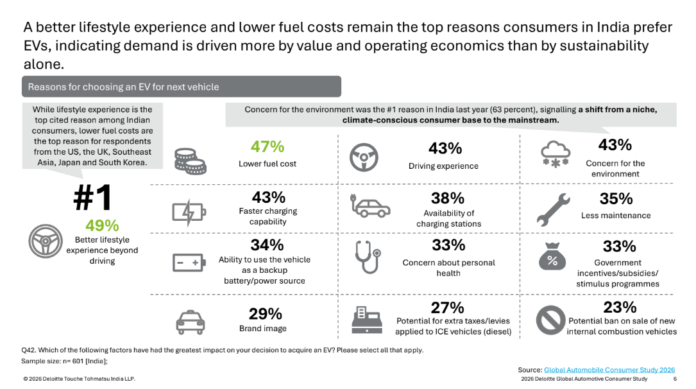
The adoption of electric vehicles in India is advancing steadily, with the intention of stabilizing rather than accelerating. Ecosystem constraints continue to influence decisions, including concerns about public charging infrastructure (43%), charging times (41%), and battery safety and lifecycle issues (38%).
The strong preference for dedicated charging and the high sensitivity to the cost of public charging highlight the importance of infrastructure readiness. At the same time, the appeal of electric vehicles remains about improved lifestyle experiences and lower operating costs.
Affordability and Price Expectations
More than three-quarters of consumers are willing to spend up to INR 2.5 million to buy their next car, while more than half are ready to spend up to INR 1.5 million.
The most significant growth in preference is in the entry-level INR 5 to 10 lakh price range, underscoring the continued demand for convenient and feature-rich mobility solutions.
Payment preferences
UPI/QR remains the preferred method of payment for public charges, reflecting the growing influence of India’s digital public infrastructure on travel behaviour.
Overall, the findings suggest that India’s mobility development will be defined by software-led intelligence, safety-focused digital services and value-driven electrification. As digital trust, ecosystem readiness and affordability converge, India is poised to become a key global market in the transformation towards connected, smart and evolving transportation.
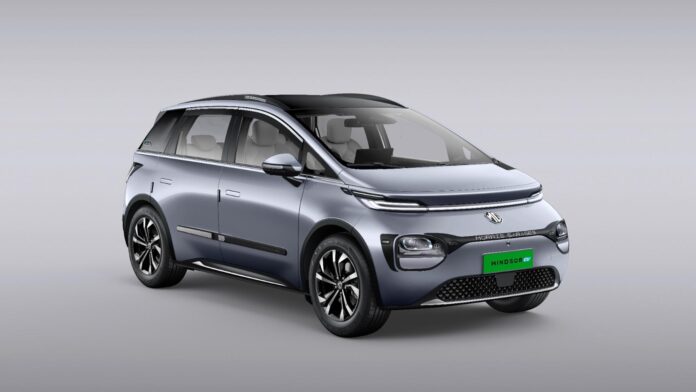
Windsor offers A-segment pricing, B-segment footprint and C-segment headroom, creating a value proposition that is nearly impossible to beat.
In just over a year, JSW MG Windsor has rewritten the rules of the Indian electric vehicle market. Not only did it reach the top, it also became the number one selling electric car in China in 2025, with sales reaching an unprecedented 46,735 units in a single calendar year. No electric vehicle has ever achieved such high annual sales before, and the Windsor has achieved this by connecting with the audience that will determine the fate of mass mobility in India: family buyers.
The story is simple. People want an electric car that feels spacious, comfortable and familiar, but modern enough to justify the leap to electric. Windsor certainly did that. Its spaciousness, smooth ride, feature-rich cabin and clean, futuristic design turn hesitant shoppers into confident first-time EV owners. In the process, it became one of India’s most awarded and widely recognized electric vehicles.
This demand has not only boosted its products, but also propelled JSW MG Motor India to strong results in 2025, with overall growth of 19% and electric vehicle sales surging 111% over the previous year. As India’s first smart CUV, Windsor blends car-like comfort with the practicality of an SUV and offers flexible ownership through a Battery-as-a-Service (BaaS) plan starting at Rs 9.99 lakh, plus Rs 3.9 per kilometer. With 100 kW of power, 200 Nm of torque and two battery options (38 kWh with 332 km of range and 52.9 kWh PRO with 449 km of range), it meets the daily needs of both city and highway users.
Vinay Raina, Chief Commercial Officer, JSW MG Motor India
Six quarters after launch, momentum isn’t slowing down. As Vinay Raina, chief commercial officer, JSW MG Motor India, said, Windsor has become a benchmark in the four-wheeler electric vehicle segment in India, with sales crossing 50,000 units in just over a year, a first in the industry. Buyers are not skeptical about electric vehicles, he said. They just want the perfect combination of space, comfort, range and functionality at a reasonable price. Windsor provides that balance and changes expectations for electric vehicles in its class.
To make the shift to electrification easier, JSW MG has also launched several first-of-its-kind initiatives. JSW MG supports Windsor through a series of bold, customer-focused initiatives. The BaaS model separates the battery from the vehicle price, reducing upfront costs and allowing buyers to purchase a full-size electric car at Rs 9.99 lakh, bringing it closer to comparable ICE models. To address resale concerns, the automaker launched a “3-60 Guaranteed Buyback” program that guarantees a return of 60% of the original value after three years. An industry-first lifetime battery warranty further enhances confidence, directly addressing long-term questions about battery health and ownership.
These measures, combined with strong word-of-mouth from early adopters, make Windsor a true disruptor. “Essentially, it offers the price of an A-segment car, the floor space of a B-segment car and the cabin space of a C-segment car – it’s an unrivaled value proposition,” he reiterated.
price breakout
When the OEM launched BaaS for Windsor, the goal was clear: make owning an electric vehicle as easy and affordable as buying an ICE car. The battery has always been the most expensive part of an electric vehicle, and by separating its cost from the price of the vehicle, it opens up a lower entry point, revolutionizing that. For the first time, full-size electric vehicles can be in the same price range as gasoline models, removing one of the biggest psychological and financial barriers to first-time EV purchases.
Like any new idea, BaaS takes time to earn trust. Customers are curious, but also wary, unsure whether to view batteries as a service rather than an asset. Automakers have addressed this problem by building a strong financial backbone around the program. Mr. Raina said, “We launched this initiative with four NBFC partners and later collaborated with mainstream financial institutions to further scale up the program. Other OEMs have also adopted this model, making battery-as-a-service more popular and widely accepted in the market. As awareness increases, we expect this innovative solution to attract more customers and play a significant role in accelerating the adoption of electric vehicles in India.”
wider reach
One of Windsor’s most surprising achievements is its presence outside India’s big cities. Currently, nearly half of its sales come from non-metro areas, where charging networks are still catching up. The reason is simple: “The product is a perfect fit,” he says. Families in these markets want a car that is roomy, comfortable and low-cost to run, and the Windsor delivers exactly that. JSW MG then builds on this natural demand with targeted retail expansion, local ecosystem partnerships and clearer charging visibility through its digital tools.
As Windsor moves into new territory, it creates its own momentum. A stronger presence can build trust, especially in areas with little previous exposure to electric vehicles. In many towns and cities, the car became the starting point for the electric car movement. OEMs support this with localized engagement, hands-on product experience and active dealer-level outreach, ensuring buyers can feel confident even in markets where infrastructure is still developing.
Buyer profiles tell a similar story. Windsor’s core customers are family-oriented Indians in their 30s and 40s – married with children, looking for a quality and practical car. They want space, comfort and technology to make daily use easier. An increasing number of them are first-time car buyers, opting for electric vehicles from day one, making it clear that electric vehicles are no longer a niche market. He said many Windsor owners summed it up simply: “EV sahi hai” – a phrase that “reflects the growing confidence and enthusiasm for electric vehicles”.
smart variant
The OEM has also maintained the momentum with its smart variant strategy. Each Windsor version differs in scope, functionality and pricing, making it easy for customers to choose a product that fits their life and budget. This avoids over-reliance on any single model and keeps the product relevant to value-driven families and technology-focused urban buyers. Meaningful and uncomplicated choices play a key role in maintaining strong, stable demand.
Going forward, the company aims to increase its focus on three pillars: strengthening the broader EV ecosystem, improving the retail experience and driving continued innovation. Mr. Raina concluded that through these priorities, the company aims to deepen Windsor’s leading position and reach the next sales milestone faster while strengthening its ambition to become a leading player in the new energy vehicle segment in India.
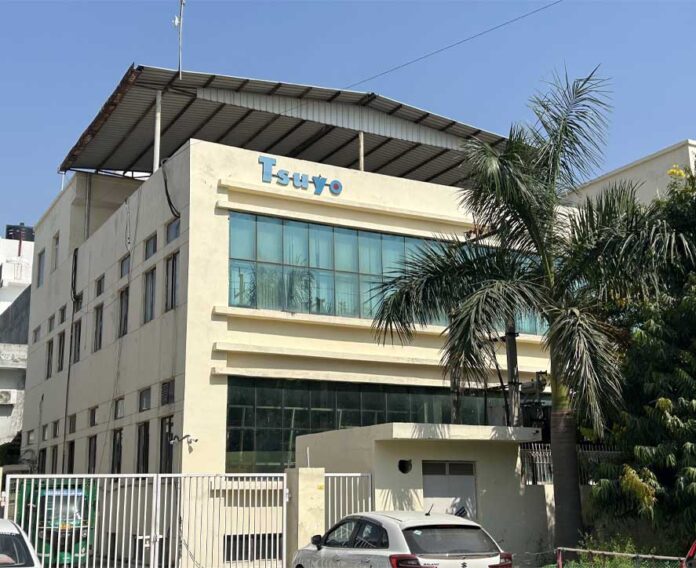
TSUYO Manufacturing Pvt. Ltd., a deep-tech electric mobility company and a leading player in India’s e-mobility components sector, has received single window clearance from the Government of Karnataka to set up a ₹250 crore EV powertrain manufacturing and verification facility.
The upcoming 20-acre facility in the Hubli-Dharwad region is an important step towards strengthening India’s domestic electric mobility component ecosystem.
Focusing on delivering next generation system solutions through integrated hardware and software platforms, Tsuyo is playing a key role in driving the electric mobility landscape in India.
The State Level Single Window Clearance Committee of the Government of Karnataka has granted approval, allowing the company to proceed with the development of the integrated manufacturing and testing complex. Tsuyo Manufacturing had earlier signed a letter of intent (LOI) with the Karnataka government during the Bengaluru Tech Summit 2025 in November 2025.
The proposed facility involves an investment of ₹250 crore and will focus on development, manufacturing and validation of advanced EV powertrain technologies. The facility will include integrated facilities for electric traction motors, motor controllers, power electronics and drivetrain systems, designed to support multiple EV mobility segments.
Commenting on the approval and plans, Founder and CEO, Vijay Kumar said, “The Hubli-Dharwad facility will be a significant breakthrough in Tsuyo’s mission to build a globally competitive EV powertrain ecosystem from India. With advanced manufacturing, integrated verification infrastructure and system-level engineering capabilities, this investment will enable us to deliver high-power, high-voltage electric powertrain solutions for both domestic and international markets. Our focus is to develop and deliver complete electric powertrain systems with world-class engineering and verification. The new facility will allow Tsuyo to accelerate innovation in motors, power electronics and integrated drivetrain solutions while meeting the reliability and performance standards required by Indian and global OEMs.
Sharing more details, Lalit Baid, Founder and Chief Operating Officer, said, “The facility will be developed in two phases to progressively enhance our integrated EV powertrain technology capabilities. Phase 1 will support powertrain platforms up to 250 kW with voltage architectures up to 650V, while Phase 2 will expand our capabilities to develop powertrains up to 1100 kW with high voltage architectures reaching up to 850V DC. Important The point is that the project will also create 500 jobs, reinforcing our pledge to build advanced EV technologies and strengthen India’s domestic electric mobility ecosystem.
The phased approach will enable Tsuyo to support a broad spectrum of electric mobility applications, from light mobility platforms to high-performance commercial vehicle powertrains.
Commenting on the development, Vikas Verma, Partner at Awana Capital, said, “From the very beginning, what stood out to us about Tsuyo was the rare combination of the team’s deep engineering capability, product innovation, disciplined execution and a focus on local manufacturing to build globally competitive EV powertrain technologies from India. The approval of this facility is a testament to Tsuyo’s rapid growth and its strong trajectory in enhancing both manufacturing and technological capabilities for advanced EVs. Their continued progress in manufacturing powertrain solutions is closely aligned with our strong belief in the long-term potential of India’s electric mobility ecosystem.
The upcoming facility is designed as a fully integrated powertrain development ecosystem, combining manufacturing infrastructure with advanced testing and validation capabilities. Key features of the facility will include integrated EV powertrain assembly lines, advanced power electronics and drivetrain testing laboratories, and a dedicated open test track for commercial-vehicle powertrain validation.
The facility will serve multiple EV segments including 3-wheeler, passenger vehicles, commercial vehicles and industrial mobility applications.
The project is expected to create more than 500 engineering and technical jobs over the next three years, creating specialist expertise in electric motor design, power electronics engineering and drivetrain systems development. The initiative is also expected to contribute to the development of the local EV component supply chain while supporting India’s broader manufacturing and electrification goals.
The project has received support and facilitation from key state ecosystem partners, including Invest Karnataka, Karnataka Udyog Mitra, Karnataka Digital Economy Mission and Karnataka Industrial Area Development Board. The initiative fits with broader policy efforts to strengthen India’s EV manufacturing ecosystem and accelerate domestic innovation in electric mobility technologies.
Preparing To Launch An Affordable Electric SUV Hyundai’s New Ev Set To Delight The Middle Class – Preparing To Launch An Affordable Electric SUV, The Middle Class Will Be Delighted With Hyundai’s New EV.
Hindi News »
automobile »
Preparing To Launch An Affordable Electric Suv Hyundais New Ev Set To Delight The Middle Class
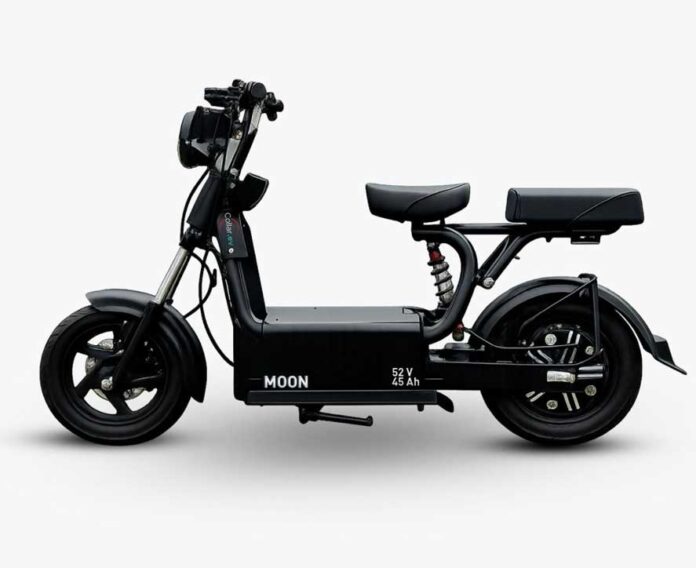
CallerEV, an emerging electric mobility startup, has introduced ‘Moon’, a purpose-built electric two-wheeler specifically designed for India’s B2B delivery and logistics segment. Developed with a focus on durability, performance and fleet efficiency, the new e-bike aims to meet the growing demand for reliable and cost-effective electric mobility solutions for last-mile delivery and commercial operations.
The Moon electric two-wheeler has been engineered to support the demanding requirements of delivery fleets, providing a practical and efficient alternative to conventional petrol-powered two-wheelers used in logistics services.
India’s two-wheeler market sales are projected to exceed 20 million units in 2025, indicating the huge scale of the segment. In this market, the share of electric two-wheelers is around 1.4 million units, underscoring the growing acceptance of EVs across the country.
However, while a large segment of electric two-wheelers currently target individual consumers, the B2B delivery and logistics sector still remains relatively underserved. With the launch of Moon, CallerEV aims to bridge this gap by offering a product specifically tailored for fleet operators and delivery businesses looking to make the shift towards sustainable mobility solutions.
The launch of Moon highlights the growing focus on electric mobility for commercial applications, especially in the rapidly growing last-mile delivery ecosystem driven by e-commerce and instant-commerce platforms across India.
The electric two-wheeler offers a range of about 135 km on a single charge and is powered by a 51.2 V, 45 Ah Lithium Iron Phosphate (LFP) battery pack with a capacity of 2.3 kWh. The vehicle supports fast charging, reaching 0-80% in approximately 2 hours and a full charge in approximately 2.5 hours, making it suitable for high-usage fleet operations.
Equipped with BLDC hub motor, it provides 1500 W rated power and 2200 W peak power, allowing a maximum speed of 50 km/h. The vehicle generates 95 Nm of torque at the wheel, ensuring strong load carrying capacity for commercial use. Designed for tough applications, the electric two-wheeler comes with dual disc brakes, 12-inch wheels and a payload capacity of up to 150 kg.
Speaking on the new EV launch, Tikendra Yadav of CollarEV said, “The existing B2B electric two-wheeler market in India is dominated by low-cost imported vehicles, which often face challenges in durability and after-sales reliability. With our new EV for the B2B segment, we aim to address this gap by developing a purpose-built electric vehicle with a minimalist yet robust structural design that minimizes maintenance requirements while ensuring long-term performance. All-metal chassis And the body structure makes it particularly suitable for demanding commercial and fleet operations. This reflects our commitment to creating reliable electric mobility solutions for businesses, and as part of our broader vision, we are preparing to launch this B2C electric scooter between May and June, which will be a first in the segment.
To support modern fleet management needs, it also includes smart features like TFT display with integrated telematics for asset tracking and fleet monitoring, as well as keyless start and stop functionality. The platform supports multiple multi-utility attachment options, allowing businesses to customize the vehicle for various delivery and logistics applications.
The electric two-wheeler is powered by an LFP battery pack that is designed to deliver more than 1000 charging cycles, ensuring a long operational life. CollarEV also offers lifetime battery replacement or upgrade options integrated with IoT-based monitoring systems, enabling real-time battery health and performance tracking. Additionally, the company is currently testing supercapacitor-assisted battery technology to improve charging speed, durability, and lifecycle performance.
The EV is primarily targeted at last-mile delivery companies, logistics and mobility aggregators, fleet operators and delivery executives. At the same time, the vehicle is also suitable for practical everyday use cases like milk delivery, vegetable delivery, small retail logistics, rural transportation and agricultural supply chain movement for farmers, especially in Tier-3 and Tier-4 areas.
CollarEV plans to initially launch its Moon electric two-wheeler in tier-1 and tier-2 cities as well as rural and semi-urban markets, where the demand for affordable and sustainable electric mobility solutions is increasing.
The company, founded by entrepreneur Tikendra Yadav, focuses on accelerating the adoption of clean transportation in India by developing purpose-built electric two-wheelers for both urban and rural mobility needs. Yadav had earlier founded Pepfuels, a startup backed by Oil and Natural Gas Corporation (ONGC) in 2017.
CollarEV aims to address the key challenges in the two-wheeler EV segment, including after-sales support, resale value, structural design compatibility, performance and warranty requirements for Indian conditions. The company is also working on advanced EDLC battery technology that can increase range and reduce charging time by up to 50 percent, helping accelerate the shift towards green mobility solutions.
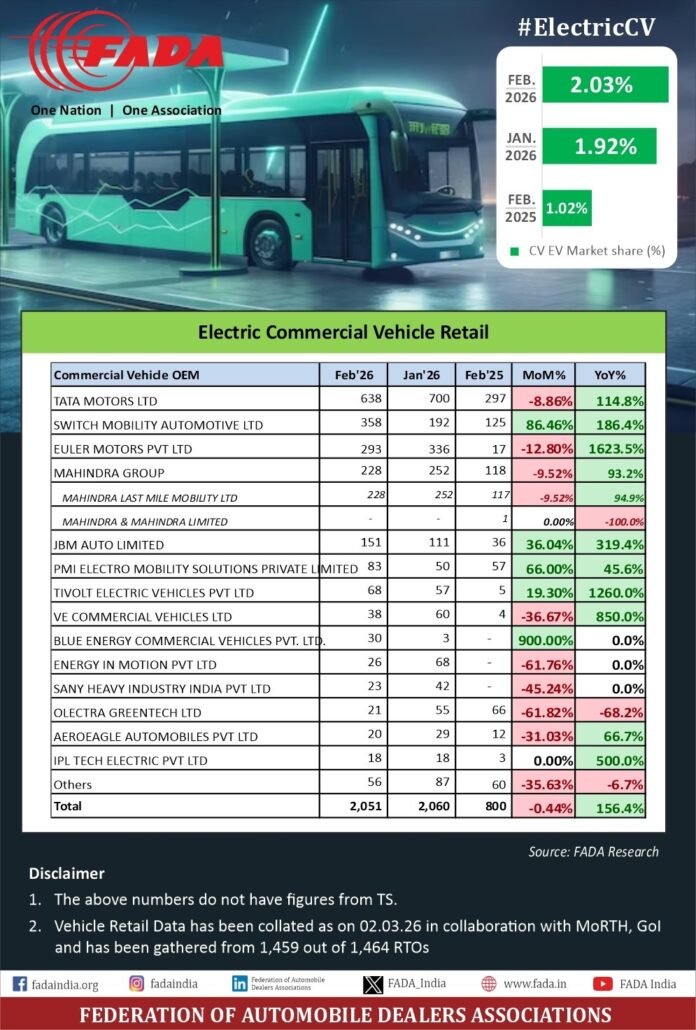
Electric vehicle retail momentum in India remained strong in February 2026, with all major segments recording year-on-year growth. Data released by the Federation of Automobile Dealers Associations (FADA) shows that electric two-wheelers, passenger cars, three-wheelers and commercial vehicles have all achieved healthy growth. However, due to the rapid growth in the number of internal combustion engine vehicles, the overall penetration rate of electric vehicles has basically remained stable. Mr. CS Vigneshwar, President, FADA, shared his views on the latest retail trends, highlighting the steady growth of the Indian EV ecosystem and the structural factors supporting the long-term growth of the industry.
Commenting on the performance, Mr. CS Vigneshwar, President, FADA, said, “In February 2026, retail sales of electric vehicles continued to grow year-on-year across categories, although the overall penetration of electric vehicles remained largely in-range due to faster growth in ICE sales. Electric 2W retail sales were 1,11,709 units (up 45.60% year-on-year), with an EV share of approximately 6.6%. Electric PV retail sales reached 13,733 units vehicles (+44.48% year-on-year), with a share of approximately 3.5%. Electric 3W remains the most electrified segment, with 66,398 units (+25.09% year-on-year), with a share of approximately 56.7%. Electric commercial vehicles increased to 2,051 units (+156.4% year-on-year), albeit from a smaller base, and increased their share to ~2.03%.
The sequential weakness in some EV categories largely reflects the shorter month and higher base in January and does not undermine the structural direction of India’s EV transition. Importantly, India’s EV story is built on stronger foundations – improved product selection, expanded charging ecosystem, better financing comfort and growing consumer confidence. As these building blocks deepen and scale, we expect healthy year-over-year growth to translate into more meaningful increases in EV penetration over the medium term. “
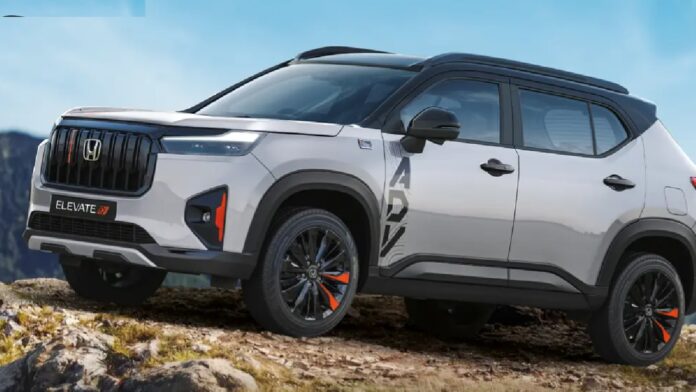
Honda Suffers Major Blow 16 Billion Loss Due To Changes In Ev Plans Strategy In India Set To Change – Honda suffers major blow, loss of 16 billion dollars due to changes in EV plans, now strategy will change in India.
Hindi News »
automobile »
Honda Suffers Major Blow 16 Billion Loss Due To Changes In Ev Plans Strategy In India Set To Change