Home Blog Page 14

TVS Motor launches Orbiter V1 e-scooter under BaaS scheme at ₹49,999.

TVS Motor Company introduced the Orbiter V1 electric scooter under a new Battery-as-a-Service (BaaS) model on March 12, 2026, with a starting price of ₹49,999 (ex-showroom Delhi, including PM e-Drive subsidy). Without opting for BaaS, the scooter is priced at ₹84,500 under the same subsidy conditions. The launch was announced in Lucknow and also informed to both the Bombay Stock Exchange and the National Stock Exchange of India.

The BaaS model marks a shift in how the company is structuring EV ownership. Instead of paying the full cost of the vehicle upfront, buyers can subscribe to battery usage through a monthly plan. Subscription pricing starts at ₹862 per month and includes an extended warranty of five years or up to 70,000 km with unlimited monthly usage during the subscription period. TVS has made the BaaS option available across its electric scooter portfolio, which also includes the TVS iQube.

The Orbiter V1 is equipped with a 1.8 kWh battery that offers a certified IDC range of 86 km per charge. Charging from zero to 80% takes about two hours and 20 minutes, setting it up as a practical option for everyday urban commutes. This model joins the existing Orbiter V2 variant, which has a larger 3.1 kWh battery and was introduced last year. With the V1, TVS now offers two Orbiter variants targeting different price points and range requirements.

In terms of design, the scooter features an 845 mm flat-form seat that aims to provide comfort for both the rider and the pillion. The 290 mm straight-line footboard provides extra legroom, while the upright handlebar is designed to reduce fatigue during long rides. Under-seat storage capacity is rated at 34 litres, which is enough to hold two helmets. TVS describes the design as modern and functional, giving priority to practicality while maintaining visual appeal.

The Orbiter V1 is equipped with several technology features, including a color LCD instrument cluster that displays incoming calls along with standard ride data. Connectivity through a companion mobile application allows users to remotely track battery charge levels and odometer readings. Security features include alerts for accidents, falls, theft, geo-fencing, and time-fencing. Additional functions such as hill hold assist, cruise control, parking assist and turn-by-turn navigation are also included. The scooter offers two riding modes – Eco and Power – both supported by regenerative braking to improve efficiency. Over-the-air software updates allow the vehicle to receive system fixes without requiring a service visit.

According to Gaurav Gupta, President, India 2W Business, TVS Motor Company, this launch represents an important step towards making electric mobility more accessible. He said separating the vehicle price from battery usage costs helps customers better understand the long-term costs of EV ownership. Anirudh Haldar, senior vice president, commuter and EV business, said the feedback from customers using the Orbiter V2 played a role in the decision to introduce a more affordable version. He said models like BaaS can help accelerate EV adoption across a broader consumer base.

TVS Motor Company operates in more than 80 countries and maintains manufacturing facilities in India and Indonesia. The company is the only two-wheeler manufacturer globally to receive the Deming Award for quality. Its broader group portfolio includes Norton Motorcycles in the United Kingdom and TVS eBike Company AG, which holds a significant position in the e-bike market in Switzerland.

The launch comes at a time when India’s electric two-wheeler segment is expanding rapidly, supported by government incentives, rising fuel prices and growing demand for low-emission urban mobility. Competitors like Ola Electric, Ather Energy and Bajaj Auto’s Chetak are also expanding their product line-ups and adjusting prices, intensifying competition, especially in the sub-₹1 lakh segment. It appears that TVS is tailoring the Orbiter V1 and its BaaS model to address affordability – one of the major barriers to widespread EV adoption in the Indian market.

ThunderPlus and Eave Trans to build EV charging hub near Vijayawada

ThunderPlus and EV Trans Pvt Ltd have announced a partnership to develop a large EV charging hub near Vijayawada. The project represents one of the more significant EV infrastructure investments announced in the state in recent months.

The facility will be developed on approximately one acre of land in Kunchanapalli, with a planned installed capacity of 1.6 MW. The hub will include seven DC fast chargers as well as battery swapping infrastructure and dedicated fast-charging stations for electric two-wheelers. Once operational, the site is expected to support charging for over 50 electric buses and over 100 electric cars simultaneously, making it one of the high capacity EV charging facilities in Andhra Pradesh.

Apart from charging infrastructure, the project is being designed as a comprehensive EV operations centre. The facility will include bus servicing and repair rooms, spare parts storage, driver rest and boarding areas, a driver training area and vehicle washing and maintenance facilities. These features aim to reduce operational downtime and improve vehicle turnaround times for fleet operators.

The hub’s location at Kunchanapalli places it along the busy Hyderabad-Vijayawada corridor, a major transport route connecting several states. The partners say the facility will support electric buses running between Vijayawada and several parts of the country, as well as serve logistics companies and individual EV users traveling on long-distance routes.

According to Rajeev YSR, Executive Director and CEO of ThunderPlus, this collaboration is in line with the company’s broader strategy of building EV infrastructure through partnerships. He said that jointly developing high capacity ultra-fast charging hubs can significantly strengthen India’s EV charging ecosystem.

Away Trans CEO Sandeep Raizada said the Vijayawada hub is expected to be the first in a series of similar projects. He said the company aims to develop multiple high-capacity charging hubs in strategic cities and transportation corridors to support electric buses, trucks, passenger vehicles and two-wheelers as EV adoption accelerates.

eVeTrans currently operates around 3,300 electric buses in over 50 cities across seven states and two union territories, covering a distance of over 800,000 kilometers daily. The size of its fleet makes reliable, large-scale charging infrastructure a critical operational requirement, especially for intercity routes.

ThunderPlus is continuously expanding its charging network across India, focusing on high-throughput locations such as highways, logistics corridors and urban mobility hubs. Partnerships with commercial fleet operators have become a key part of its deployment strategy, as fleets require reliable charging access at scale rather than relying solely on public infrastructure.

India’s EV ecosystem has seen increasing investment in charging infrastructure over the past two years, driven by government incentives, falling battery costs and growing adoption among transport operators and private fleets. However, the availability of fast-charging facilities outside major urban centers is limited, especially for intercity travel.

Infrastructure projects on high-traffic routes such as the Hyderabad-Vijayawada corridor are therefore considered important to enable long-distance electric mobility. Once operational, the charging hub at Kunchanapalli is expected to help address infrastructure deficiencies along one of Andhra Pradesh’s major transport arteries while supporting the broader transition towards electric transportation in India.

Big change in Delhi, electric vehicles will become cheaper with EV Policy 2.0, women can get more subsidy.

Major Change In Delhi Ev Policy 20 Will Make Electric Vehicles Cheaper Women May Get More Subsidy – Major change in Delhi, electric vehicles will be cheaper with EV Policy 2.0, women may get more subsidy.

Hindi News »

automobile »

Major Change In Delhi Ev Policy 20 Will Make Electric Vehicles Cheaper Women May Get More Subsidy

India’s cheapest electric car, will run at low cost and save thousands of rupees.

India’s cheapest electric car will run at low cost and save thousands of rupees.

Hindi News »

automobile »

India’s Cheapest Electric Car Will Run At Low Cost And Save Thousands Of Rupees

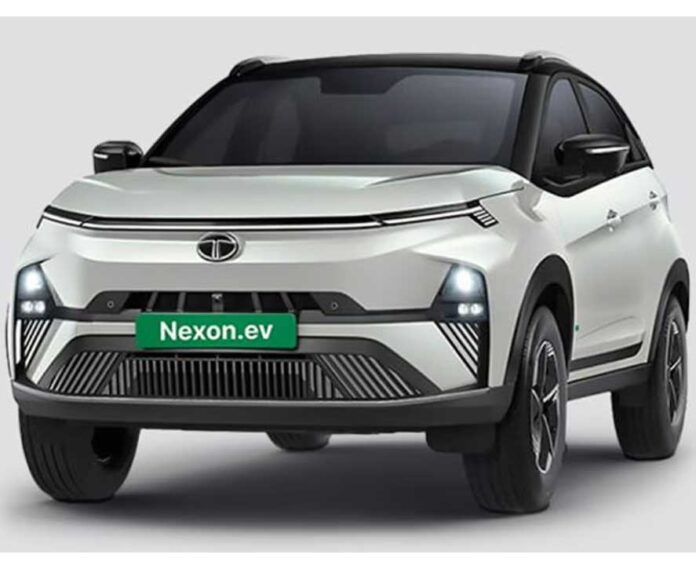
India’s electric passenger vehicle retail sales surge 44% in February; Tata Motors maintains lead: FADA |

Electric passenger vehicle (PV) retail sales in India recorded strong year-on-year growth by 44% to 13,733 units in February 2026, according to data released by the Federation of Automobile Dealers Associations (FADA). However, month-on-month sales declined by 25.65% from 18,470 units sold in January 2026, reflecting the general post-January slowdown in retail demand.

Among manufacturers, Tata Motors retained its leading position in the electric PV segment with retail sales of 5,568 units in February 2026, a growth of 38.51% from 4,020 units in the same month last year. However, on a sequential basis, the company’s sales declined 30.46% from 8,007 units recorded in January.

JSW MG Motor India took the second position with retail sales of 3,312 units. This figure represents a year-on-year decline of 5.10% and a decline of 29.58% compared to January sales.

Mahindra & Mahindra recorded the strongest annual growth among major players, with electric PV retail sales rising to 2,913 units in February 2025 compared to 508 units – an increase of 473.43%. On month-on-month basis, the company’s sales in January have declined by 20.58% from 3,668 units.

Commenting on the trend, FADA President CS Vigneshwar said EV retail sales continued to grow year-on-year across all categories in February 2026. However, overall EV penetration remained relatively stable due to sharp growth in internal combustion engine (ICE) vehicle volumes. He said some EV categories saw softening month-on-month, which was largely due to the shorter month and higher sales base recorded in January.

Among other manufacturers, Vinfast recorded retail sales of 384 units in February, while BYD reported 306 units, marking an increase of 10.07% year-on-year and an increase of 32.47% compared to January.

Hyundai Motor India sold 304 electric vehicles during the month, showing a sharp decline of 60.77% from 775 units in February 2025. Meanwhile, Kia India recorded strong annual growth with sales of 295 units as against just 22 units in the same period last year.

In the luxury EV segment, BMW India sold 245 units, while Mercedes-Benz India recorded retail sales of 65 units in February.

Other manufacturers include Maruti Suzuki India Ltd. with 214 units, Tesla India Motors and Energy with 29 units and Volvo Auto India with 25 units.

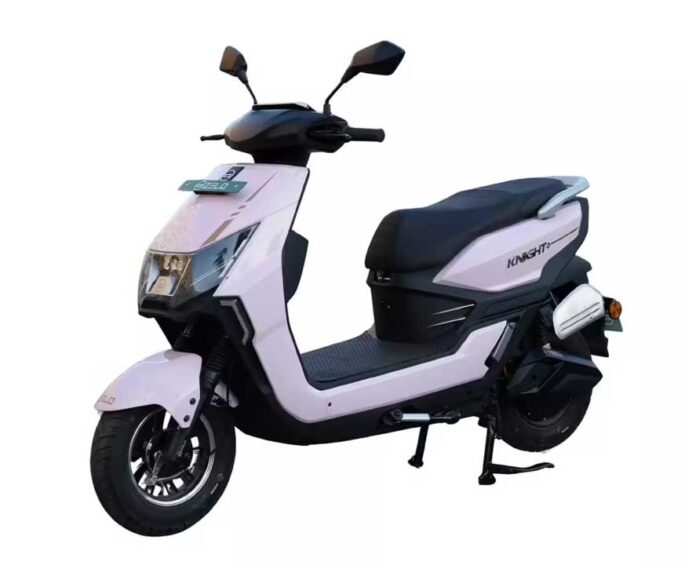
Zelo Electric launches Knight+ ‘Rani Edition’ e-scooter at ₹69,990

Electric two-wheeler maker Zelo Electric has introduced a limited-edition version of its Knight+ electric scooter, named Knight+ Queen Edition, ahead of International Women’s Day. Priced at ₹69,990 (ex-showroom), the special edition will be offered in a baby pink color scheme with white panels, with production limited to 999 units across India.

According to the company, the Rani Edition has been launched to celebrate female riders and encourage greater participation of women in two-wheeler mobility. The model retains the same specifications and features as the standard Night+ platform, which Zelo Electric introduced in August 2025.

Aditya Baheti, Co-Founder, Zello Electric, said, “We have always believed that freedom to travel changes everything. The Queen edition is our celebration of the women who move across this country every day.”

The scooter is powered by a 1.8 kWh portable lithium iron phosphate (LFP) battery with a claimed range of up to 100 km on a single charge. It is paired with a 1.5 kW electric motor and offers a top speed of 55 km/h. The company said the Knight+ platform has helped position Zelo Electric as a provider of feature-rich electric scooters at competitive prices in the domestic market.

Mukund Baheti, co-founder of Zelo Electric, said this version takes inspiration from the cultural significance of the word “queen”, which symbolizes strength and individuality. “This is an Indian product made for Indian women, rooted in our heritage and identity. It celebrates riders who make confident choices every day,” he said.

The Knight+ Queen Edition continues to offer many of the features available on the standard Knight+ platform, including hill hold control for easier climbs, cruise control, follow-me-home headlamps, a USB charging port, and a removable battery that can be charged separately.

Bookings for the Knight+ Queen Edition are now open across Zelo Electric’s authorized dealership network, with a limited number of deliveries planned due to a limited production of 999 units.

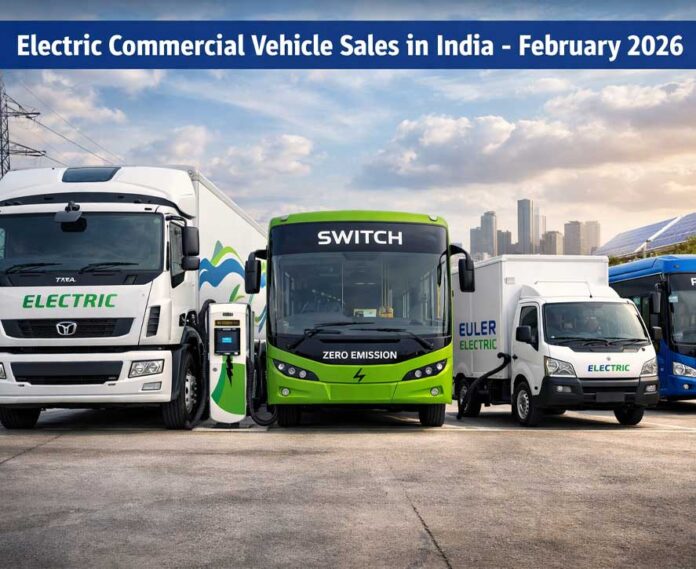
Electric commercial vehicle retail sales to more than double in February 2026: FADA |

Retail sales of electric commercial vehicles (CVs) in India recorded strong year-on-year growth in February 2026, although volumes remained largely flat compared to the previous month. According to data released by the Federation of Automobile Dealers Association (FADA), total electric CV retail sales in February reached 2,051 units, slightly lower than the 2,060 units recorded in January, marking a marginal decline of 0.44% month-on-month.

The share of electric commercial vehicles in total CV retail sales was 2.03% in February 2026, up from 1.92% in January and 1.02% in February 2025. On a year-on-year basis, the segment recorded a strong growth of 156.4%, indicating accelerating adoption of electric mobility in the commercial transportation sector.

Tata Motors continued to lead the electric CV segment with retail sales of 638 units in February. The company reported year-on-year growth of 114.8%, although its sales declined 8.86% compared to January.

Switch Mobility emerged as one of the fastest growing players in this segment, selling 358 units during the month. This represents an increase of 86.46% compared to January and 186.4% compared to February 2025.

Euler Motors recorded 293 units in February, marking a month-on-month decline of 12.8%. However, the company recorded a notable increase of 1,623.5% year-on-year, highlighting rapid expansion from a relatively small base.

Meanwhile, Mahindra & Mahindra reported 228 electric CV retail sales, representing a growth of 93.2% year-on-year despite a decline of 9.52% compared to January.

JBM Auto also recorded significant growth and sold 151 units in February. This figure represents an increase of 36.04% month-on-month and an increase of 319.4% year-on-year.

Among other emerging manufacturers, PMI Electro Mobility Solutions sold 83 units, registering a growth of 66% month-on-month, while Tivolt Electric Vehicles recorded 68 units, registering a sharp growth of 1,260% year-on-year.

Some manufacturers reported declines during the month. VE Commercial Vehicles sold 38 units, down 36.67% compared to January, although the figure was 850% higher than the same period last year.

Meanwhile, Olectra Greentech reported 21 units in February, marking a 61.82% month-on-month decline and a 68.2% year-on-year decline.

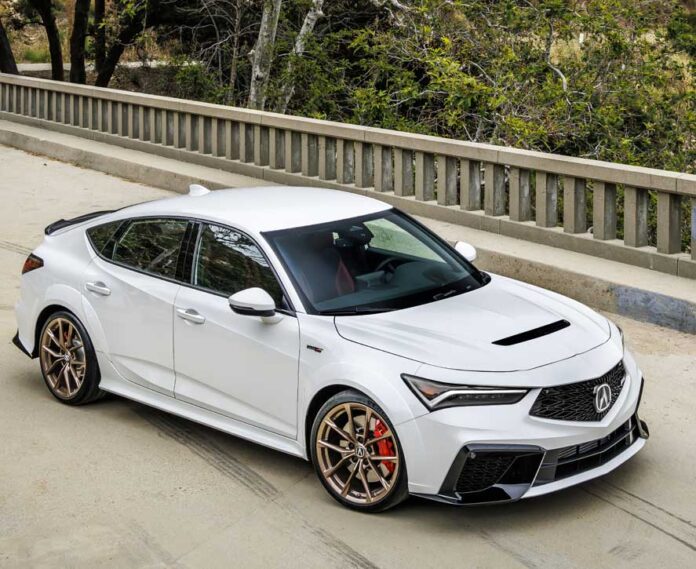
Acura will export the US-made Integra Type S to Japan in 2026.

Acura has announced plans to export the US-made Acura Integra Type S to Japan, with sales scheduled to begin in 2026. The high-performance model will become the first Acura-branded vehicle to be officially sold in Japan, coinciding with the brand’s 40th anniversary. Acura is widely recognized as the first Japanese premium automobile brand introduced to the American market.

The Acura Integra Type S, considered the most powerful and best performing version of the Integra to date, is produced exclusively at the Marysville Auto Plant. The facility assembles models using a combination of domestically sourced and globally supplied components.

Powering the vehicle is the K20C engine, manufactured exclusively at the Anna Engine Plant. The same engine facility also produces the powertrain used in the Honda Civic Type R, another performance model exported to Japan.

The move highlights Acura’s strategy to expand its global presence while showcasing American-made performance vehicles in international markets.

“Making Acura models in America for the past thirty years has been a matter of immense pride, and now exporting the American-made Integra Type S to Japan takes that pride to a new level,” said Jun Jayaraman, senior vice president, Manufacturing Management Center, Honda Development and Manufacturing of America. “Our Ohio colleagues pour their expertise and passion into every vehicle, and we are excited for customers in Japan to experience the performance they create.”

Honda showcased the Acura Integra Type S at the Tokyo Auto Salon 2026 and Osaka Auto Messe 2026, held in January and February 2026 respectively, where many visitors expressed excitement over the possibility of the model becoming available for the Japan market.

In March 1988, Honda became the first Japanese automaker to import its own US-made vehicles to Japan, with the shipment of Accord coupe automobiles and Gold Wing GL1500 motorcycles manufactured at Honda plants in Marysville, Ohio, United States. Since beginning overseas exports of US-made automobiles in 1987, Honda has exported more than 1.75 million Acura and Honda vehicles to global markets. This includes approximately 300,000 vehicle exports to Japan.

A perennial top seller in the premium sport compact segment in the US since its launch in 2022, the Acura Integra consistently commands nearly 35% of retail sales in the segment. The Integra Type S has been particularly important for Acura in attracting the youngest buyers to its segment, with the high-performance Type S variant representing more than 10% of the Integra sales mix.

Axis Bank partners with Tesla to offer customized EV financing in India –


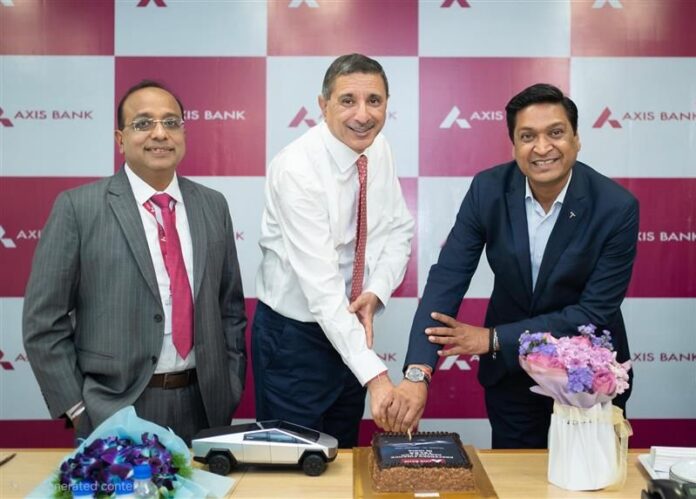
As EV adoption gathers pace in India, the ecosystem supporting EV adoption is expanding beyond automotive technology and charging infrastructure to include innovative financing solutions. In line with this shift, Axis Bank has announced that it will become Tesla’s preferred financing institution, offering specially designed and customized financing options to customers purchasing Tesla vehicles in India.

The partnership aims to simplify the Tesla ownership journey by providing flexible, digital financing solutions aligned with Tesla’s global customer experience. The product will be rolled out across India, covering major metropolitan markets as well as emerging EV hubs, enabling customers to access convenient financing while transitioning to EVs.

Axis Bank’s carefully designed car loan solutions for Tesla customers include repayment plans tailored to individual cash flow, extended loan terms of up to 10 years, and a fully digital onboarding process that ensures faster loan approval and a seamless customer experience.

Mr. Munish Sharda, Executive Director, Axis Bank, said the partnership demonstrates the bank’s commitment to supporting India’s transformation towards sustainable mobility. He noted that the collaboration brings together world-class electric vehicles and innovative financing solutions to make it easier for customers to adopt electric vehicles without compromising flexibility or convenience.


BYD unveils second generation blade battery and flash charging technology

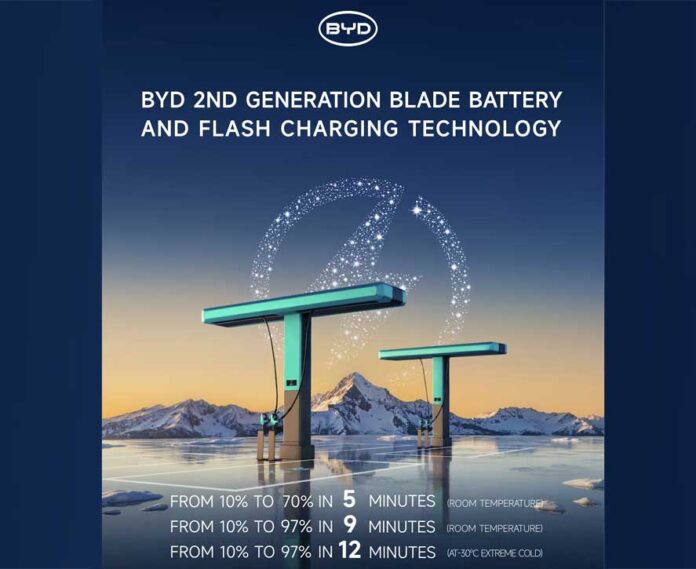
Chinese electric vehicle maker BYD has unveiled its second generation blade battery with new flash charging technology that targets two of the most significant challenges facing electric vehicles today – slow charging speeds and low charging efficiency in low temperatures.

With these advancements, BYD claims a new global benchmark for ultra-fast EV charging, enabling vehicles to be charged from 10% to 70% state of charge (SOC) in just five minutes. The system can charge the battery to 97% in approximately nine minutes, significantly reducing downtime for EV users.

The new technology provides strong performance even in extreme climates. According to the company, even at temperatures as low as -30°C, charging from 20% to 97% takes only three minutes longer than charging at standard room temperature.

Along with battery innovation, BYD outlined a strategy to expand its charging infrastructure. The company plans to build 20,000 flash charging stations across China, with a broader global rollout expected to begin on a larger scale by the end of 2026.

The development marks a major step toward improving charging convenience and utility for electric vehicle owners, as automakers race to overcome major barriers to EV adoption around the world.

Charging speed remains a matter of concern for consumers and society

Despite the rapid growth of the global EV market, consumers are facing concerns, including range anxiety, holiday queues at charging stations that can last for hours, and significantly slower charging speeds in the winter. Apart from the significant mental stress for users, the wastage of resources and infrastructure costs associated with traditional chargers are also considerable.

Wang Chuanfu, chairman and president of BYD, emphasized that the industry must address these lingering challenges: slow charging speed and poor low-temperature charging performance.

BYD second generation Blade battery: a new frontier in battery power

Through six years of intensive research and development, the second generation Blade Battery delivers a charging experience that finally matches refueling speeds.

In traditional battery engineering, fast charging and high energy density are often viewed as technically conflicting goals. BYD has solved this trade-off by increasing energy density by 5% compared to the first generation while significantly accelerating charging speeds. Equipped with a second-generation blade battery, the DENZA Z9GT features BYD’s latest lightweight carbody, allowing it to achieve a class-leading range of 1,036 km.

To reduce internal heat generation and maximize heat dissipation of the second-generation blade battery, BYD engineered a “lithium-ion high-speed channel” and a “full-spectrum intelligent thermal management system.” This is in line with BYD’s philosophy that “safety is the ultimate luxury of NEV.” The second generation blade battery has passed a series of safety tests that exceed China’s national standards, effectively allaying consumers’ concerns.

The second generation blade battery not only provides users with unprecedented charging speeds, a range of more than 1,000 km, but also enhances automotive safety, representing the frontier of power battery innovation.

BYD Flash Charging: Responsible Energy Solution

To enable these record-breaking speeds, BYD developed the flash charger with a world-leading single-connector output of 1500 kW. Combined with a high-capacity energy storage system, this infrastructure overcomes grid capacity limits without placing a strain on local electricity networks, representing the most socially responsible and grid-friendly charging solution in the industry today.

BYD Flash Charging Station: Redefining and accessible the charging experience

Traditional public charging points are often criticized for being cumbersome, unhygienic, inflexible, and having complex authentication steps that hinder the user experience. To overcome these problems, the Flash Charger features the world’s first T-shaped pulley charger.

Its “zero-gravity” design allows users to easily lift the connector to either side of the vehicle while keeping the cable clean and off the ground.

By the end of 2026, BYD plans to build 20,000 flash charging stations in China and roll out globally. Once built, these stations will be open to the public, with the aim of accelerating the electrification of transport and building a green future.

Inspired by the “Three Green Dreams”: Accelerating Global Mobility Electrification

In 2006, BYD proposed the “Three Green Dreams”, a vision that has since become Wang Chuanfu’s lifelong mission. Through nearly two decades of unwavering commitment, those dreams have steadily moved into reality, culminating in today’s integrated solar-storage-charging (SSC) flash charging technology.

BYD has always believed in using technology to change the world. Today, with the launch of the second generation blade battery and flash charging technology, we are once again reshaping our future with technology and innovations, facilitating a leap into the global transition to electric, intelligent mobility and building a greener Earth for generations to come.