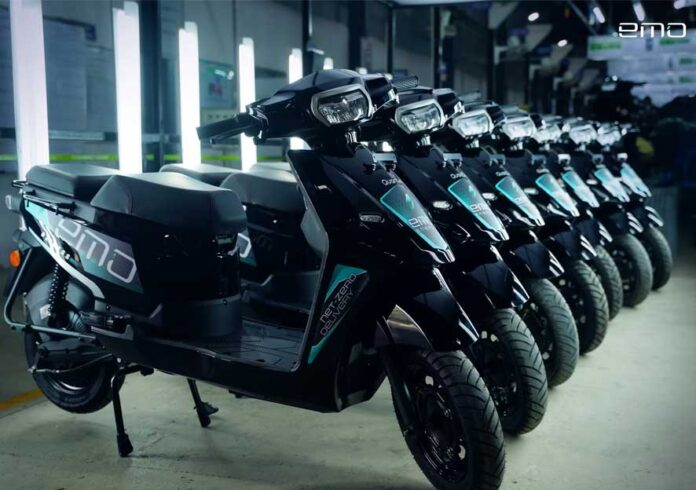
Electric two-wheeler manufacturer Quantum Energy Limited has entered into a strategic partnership with EMO Energy to introduce Quantum Business EMO, a specially developed electric scooter for high-duty last-mile delivery and fleet operations in India. The collaboration brings together Quantum Energy’s proven vehicle platform with EMO Energy’s liquid-cooled battery technology, aiming to solve critical fleet challenges such as charging time, vehicle uptime and total cost of ownership.
The Quantum Business EMO is powered by EMO Energy’s 2 kWh Zenpack battery, providing a real-world range of up to 80 km and a top speed of 50 km/h. The battery supports fast charging in about 20 minutes using EMO’s Swft fast charger. According to EMO Energy, the battery technology has been validated in over 150 million kilometers of real-world use, with degradation limited to about 1.2 percent after 300 charge cycles.
Designed for demanding delivery applications, the scooter features a 2,500 W peak hub motor and offers a payload capacity of up to 200 kg. It runs on 12-inch wheels and is equipped with a combined braking system, which enhances stability and safety in urban and semi-urban operating environments. Quantum Energy currently operates over 100 sales and service touchpoints across the country, supporting fleet deployment and after-sales requirements.
EMO Energy’s fast-charging ecosystem includes more than 1,300 chargers in more than 12 cities, enabling high-usage fleet operations. Separately, Quantum Energy has also commenced operations at its new greenfield manufacturing facility in Maheshwaram, Telangana, further strengthening its production and supply capabilities.
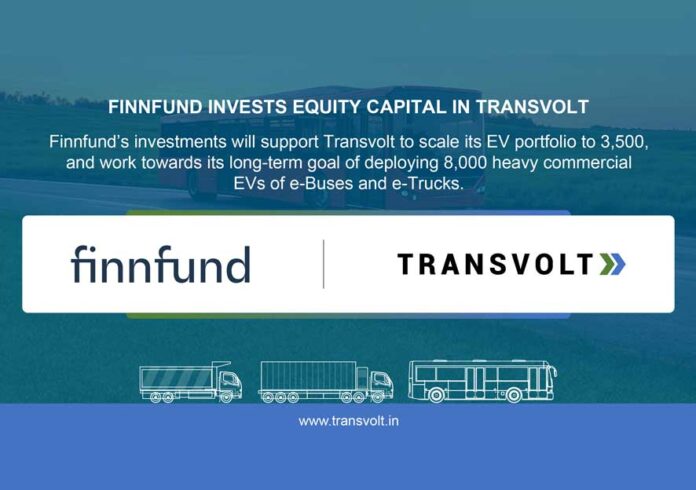
Finnish development financier and impact investor FinFund has announced an equity investment in Transvolt Mobility to support the expansion of its Electric Heavy Commercial Vehicle (e-HCV) business across India. This investment will accelerate the deployment of Transvolt’s electric buses and electric trucks across a range of use cases, including intracity transportation, employee transportation, haulage solutions and port operations.
FinFund’s investment follows the first equity investment by the International Finance Corporation (IFC), a member of the World Bank Group, in July 2025, underscoring the growing global confidence in Transvolt’s business model and execution capabilities.
The fresh growth capital will enable Transvolt Mobility to grow its electric fleet to 3,500 heavy commercial vehicles over the next two to three years, while creating around 8,500 direct and indirect jobs. It will also support the company’s long-term ambition to deploy 8,000 electric heavy commercial vehicles spanning e-buses and e-trucks across India.
India’s clean mobility roadmap aims to electrify about 800,000 buses and replace 10 per cent of diesel trucks with about 400,000 electric trucks in the coming years. This transition is expected to open up investment opportunities worth an estimated US$200 billion across the public and private fleet segments.
Established in FY 2023, Transvolt Mobility has already deployed over 500 electric heavy commercial vehicles across the country. The company has built a strong presence in municipal corporations, corporate employee transportation and haulage operations serving major cement manufacturers, mining companies and port operators.
“The Indian transport ecosystem is undergoing a transformation through the adoption of various sustainable solutions, including large-scale adoption of pure-electric vehicles. The country is poised to leverage the potential of the private sector in terms of investment and technology advancement, supported by a well-defined regulatory framework and government support,” said Helena Tepana, Associate Director, FinFund. “We are pleased to support Transvolt in contributing to the development of clean transportation that is not only good for the climate. But also important for health: Electrification of public and commercial fleets helps reduce tail-pipe emissions, which cause premature deaths, especially in big cities. Furthermore, it is important for us that Transvolt aims to provide maximum employment to women in various positions, including drivers.
Mr. Dheeraj Jhawar, Director and Co-Founder, Transvolt Mobility, said, “We are privileged to have Finfund joining us as a respected investor in Transvolt. This partnership is an important milestone that reinforces our shared commitment to sustainable mobility in India. Transvolt will continue to be a leader in deploying heavy commercial EVs across various sectors in India.”
Mr. Debasis Mohanty, CEO and Co-Founder Transvolt Mobility said, “Transvolt is committed to developing a sustainable and safe logistics solution in the heavy commercial vehicle segment with the deployment of e-buses and e-trucks for both government and private sectors across various sectors. With Finfund as a partner, we will work towards accelerating the deployment of our clean energy solutions and drive impactful, long-term growth in the markets we serve.”
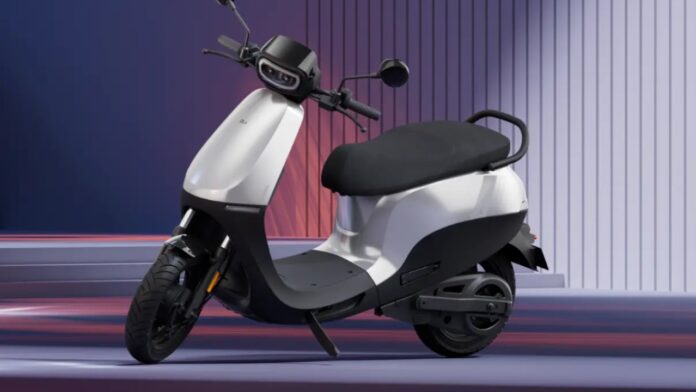
Ola Electric: Ola Electric, a big company in the Indian electric vehicle sector, is going through a difficult phase at the moment. The company’s shares have fallen by about 40% in the last three months.
Updated On:
Jan 22, 2026 | 05:36 pm
Ola Electric (Source. Ola)
Ola Electric Share Price: Ola Electric, a big company in the Indian electric vehicle (EV) sector, is going through a difficult phase at the moment. In the last three months, the company’s shares have fallen by about 40%, wiping out the market value of about Rs 9,000 crore. The situation is such that Ola’s share has been able to rise only for 3 days in the last 14 trading sessions, whereas now it has reached very close to its all-time low of ₹ 30.79.
Investors’ fear increased due to continuous resignations
Continuous resignations within the company have also increased the pressure on the stock. In an exchange filing this week, Ola Electric informed that the company’s CFO Harish Abichandani has stepped down from the post with effect from January 19, 2026. He has given personal reasons behind this.
This resignation is also considered important because it is the second major resignation in two months. Earlier in December, the company’s Business Head Sales, Vishal Chaturvedi had also stepped down citing personal reasons. These incidents have further increased the concern of investors.
related news
Huge decline in market share, competition becomes tough
Ola Electric has also suffered a setback on the business front. According to Vahan data, the company’s market share will decline to 16.1% in the year 2025, whereas last year it was 36.7%. During this period, companies like TVS, Bajaj, Ather and Hero strengthened their hold.
However, the picture seemed to have changed a bit in the last month. According to VAHAN data, Ola registered 9,020 units in December, increasing the company’s market share to 9.3% from 7.2% in November. This figure rose to around 12% in the second half of the month, indicating an improvement in customer demand.
Ola again returns to top-3 in many states
The company claims that in December it has again joined the top-3 EV companies in about a dozen states. These include big markets like Tamil Nadu, Uttar Pradesh, Bihar, Jharkhand, Punjab and Haryana. This indicates that the demand at the grassroots level has not completely ended yet.
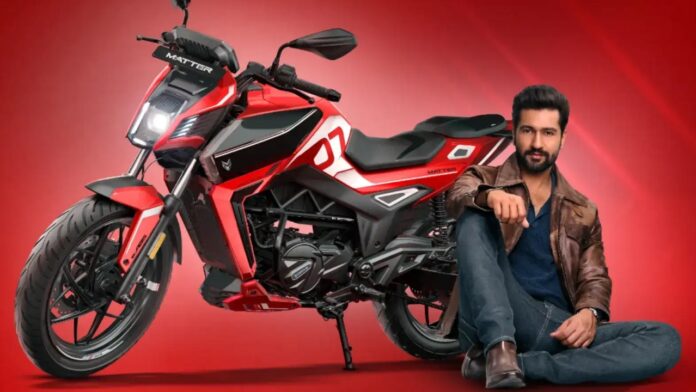
Also read: New era of electric bike begins: MATTER gives AI ride to India
SoftBank and foreign investors reduced stake
Ola has also suffered a setback on the investors’ front. Masayoshi Son’s SoftBank Group has reduced its stake in Ola Electric from 15.68% to 13.53%. According to stock exchange filings, SoftBank sold 9.46 crore shares in the open market between September 3, 2025 and January 5, 2026.
Apart from SoftBank, foreign investors like Tiger Global and Alpha Wave Ventures have also reduced stake. Their share in June was 3.24% and 2.83%, now their share is less than 1%.
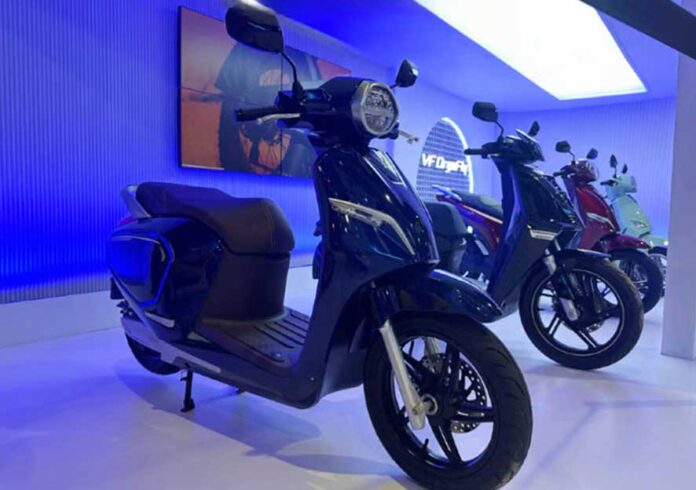
Vietnamese electric vehicle maker Vinfast is set to enter India’s electric two-wheeler market with a range of India-specific electric scooters in the second half of 2026, as well as building a dedicated two-wheeler manufacturing line with a long-term capacity target of one million units, according to Vinfast Asia CEO Pham Sanh Chau.
The two-wheeler program will be housed at Vinfast’s Tamil Nadu manufacturing facility, where the company is expanding infrastructure to support a separate production line for electric two-wheelers, separate from its passenger vehicle operations. “We will definitely come out with two-wheelers in 2026, starting with scooters. These products are being developed specifically for the Indian market,” Chau said. He said India-focused product development is already underway.
VinFast’s entry comes as India’s electric two-wheeler market is entering a phase of consolidation. Established manufacturers like TVS Motor, Bajaj Auto and Hero MotoCorp have strengthened their positions, taking market share from start-ups that initially promoted EV adoption. By the end of 2025, TVS and Bajaj emerged as the top two electric two-wheeler players, followed by Ather, while Ola Electric slipped from the top three amid increasing competition.
Chau said VinFast’s decision to lead with India-specific scooters is based on detailed market research conducted last year. The findings highlighted the importance of designing products based on Indian riding patterns, road conditions, daily commuting needs and price sensitivity rather than adopting global models for local use.
Two-wheelers key to long-term growth strategy
While Vinfast’s four-wheeler plant in India is being expanded to an annual capacity of 150,000 units, the company plans to scale up its two-wheeler business in the long term. “For two-wheelers, we are aiming bigger. Our long-term vision is around 10 lakh units of capacity. This is not a one-year-one target, but it shows how seriously we look at India,” Chau said.
The company did not disclose the timeline for reaching peak two-wheeler capacity or the level of investment planned for the scooter production line.
Localization and supplier engagement ongoing
Vinfast has begun discussions with Indian suppliers to localize key components, including battery systems, to improve cost competitiveness. “Local manufacturing is essential to reduce the bill of materials. We are already connecting with Indian vendors, and some have visited our factory,” Chau said.
The company is also evaluating eligibility for government incentive schemes like PLI and PM e-Drive depending on the scale and timing of its investment.
VinFast’s two-wheeler entry is part of its broader green mobility ecosystem strategy for India, which includes local manufacturing, an expanded dealership and service network, charging infrastructure and future mobility services through V-Green.
Reiterating VinFast’s long-term commitment to the market, Chau said the company is planning a phased rollout approach. “India is a strategic market for us. We don’t launch everything at once. We move step by step – one product every six months,” he said.
A New Era Of Electric Bikes Begins Matter Introduces Ai Powered Riding To India – A New Era Of Electric Bikes Begins: Matter Introduces Ai Powered Riding To India.
Hindi News »
automobile »
A New Era Of Electric Bikes Begins Matter Introduces Ai Powered Riding To India
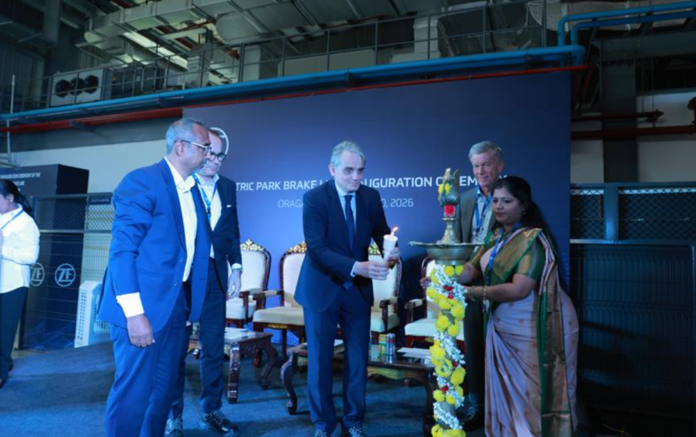
ZF Group has inaugurated a new electric parking brake (EPB) production line at its Oragadam plant in Tamil Nadu, marking a major expansion of its braking business in the Indian passenger car market. The move comes as China’s rapid shift toward electric, connected and software-defined vehicles has generated strong demand for advanced electronically controlled braking technology.
The new production line formalizes the full industrialization of the Oragadam EPB system, positioning India as a key manufacturing and engineering hub within ZF’s global network. ZF already supplies EPB units to leading Indian OEMs, including newly launched electric passenger cars.
The plant is designed for high-volume production and can produce up to 800,000 EPB units per year at peak capacity. This growth is supported by a strengthening ecosystem of domestic suppliers of precision machinery and electronic components.
Mr. Akash Passey, President of ZF Group India, said that this investment advances ZF’s strategy of “Made in India, benefiting India and the world” and marks the beginning of a new growth phase. He noted that Oragadam combines cutting-edge technology with strong local engineering and manufacturing capabilities to serve domestic and global markets.
ZF board member Dr. Peter Holdmann said braking systems are evolving into software-enabled safety solutions. He explained that ZF’s EPB replaces the traditional mechanical handbrake with an electronic control system designed for electric and software-driven vehicles, with the advantages of low drag efficiency, extended electric vehicle range and reduced NVH levels.
Andreas Moser, Regional Board Member for Commercial Vehicle Solutions, Industrial Technology and India, said the plant reflects India’s growing importance as a base for innovation and manufacturing. He added that the EPB series supports OEMs’ growing expectations for value-driven mobile technologies.
The Oragadam plant is ZF’s 10th plant in Tamil Nadu and plays a central role in the company’s India roadmap and is an expansion base for light commercial vehicles. The new EPB system integrates a broader braking architecture and supports functions such as dynamic drive, emergency brake assist and brake pad wear sensing, providing OEMs with cross-platform flexibility.
Globally, ZF has supplied more than 250 million EPB calipers. With the addition of the Oragadam range, India is now an integral part of ZF’s global supply chain for advanced braking and chassis technologies.
Windsor offers A-segment pricing, B-segment footprint and C-segment headroom, creating a value proposition that is nearly impossible to beat.
Author: T. Mulally
In just over a year, JSW MG Windsor has rewritten the rules of the Indian electric vehicle market. Not only did it reach the top, it also became the number one selling electric car in China in 2025, with sales reaching an unprecedented 46,735 units in a single calendar year. No electric vehicle has ever achieved such high annual sales before, and the Windsor has achieved this by connecting with the audience that will determine the fate of mass mobility in India: family buyers.
The story is simple. People want an electric car that feels spacious, comfortable and familiar, but modern enough to justify the leap to electric. Windsor certainly did that. Its spaciousness, smooth ride, feature-rich cabin and clean, futuristic design turn hesitant shoppers into confident first-time EV owners. In the process, it became one of India’s most awarded and widely recognized electric vehicles.
This demand has not only boosted its products, but also propelled JSW MG Motor India to strong results in 2025, with overall growth of 19% and electric vehicle sales surging 111% over the previous year. As India’s first smart CUV, Windsor blends car-like comfort with the practicality of an SUV and offers flexible ownership through a Battery-as-a-Service (BaaS) plan starting at Rs 9.99 lakh, plus Rs 3.9 per kilometer. With 100 kW of power, 200 Nm of torque and two battery options (38 kWh with 332 km of range and 52.9 kWh PRO with 449 km of range), it meets the daily needs of both city and highway users.
Six quarters after launch, momentum isn’t slowing down. As Vinay Raina, chief commercial officer, JSW MG Motor India, said, Windsor has become a benchmark in the four-wheeler electric vehicle segment in India, with sales crossing 50,000 units in just over a year, a first in the industry. Buyers are not skeptical about electric vehicles, he said. They just want the perfect combination of space, comfort, range and functionality at a reasonable price. Windsor provides that balance and changes expectations for electric vehicles in its class.
To make the shift to electrification easier, JSW MG has also launched several first-of-its-kind initiatives. JSW MG supports Windsor through a series of bold, customer-focused initiatives. The BaaS model separates the battery from the vehicle price, reducing upfront costs and allowing buyers to purchase a full-size electric car at Rs 9.99 lakh, bringing it closer to comparable ICE models. To address resale concerns, the automaker launched a “3-60 Guaranteed Buyback” program that guarantees a return of 60% of the original value after three years. An industry-first lifetime battery warranty further enhances confidence, directly addressing long-term questions about battery health and ownership.
These measures, combined with strong word-of-mouth from early adopters, make Windsor a true disruptor. “Essentially, it offers the price of an A-segment car, the floor space of a B-segment car and the cabin space of a C-segment car – it’s an unrivaled value proposition,” he reiterated.
price breakout
When the OEM launched BaaS for Windsor, the goal was clear: make owning an electric vehicle as easy and affordable as buying an ICE car. The battery has always been the most expensive part of an electric vehicle, and by separating its cost from the price of the vehicle, it opens up a lower entry point, revolutionizing that. For the first time, full-size electric vehicles can be in the same price range as gasoline models, removing one of the biggest psychological and financial barriers to first-time EV purchases.
Like any new idea, BaaS takes time to earn trust. Customers are curious, but also wary, unsure whether to view batteries as a service rather than an asset. Automakers have addressed this problem by building a strong financial backbone around the program. Mr. Raina said, “We launched this initiative with four NBFC partners and later collaborated with mainstream financial institutions to further scale up the program. Other OEMs have also adopted this model, making battery-as-a-service more popular and widely accepted in the market. As awareness increases, we expect this innovative solution to attract more customers and play a significant role in accelerating the adoption of electric vehicles in India.”
wider reach
One of Windsor’s most surprising achievements is its presence outside India’s big cities. Currently, nearly half of its sales come from non-metro areas, where charging networks are still catching up. The reason is simple: “The product is a perfect fit,” he says. Families in these markets want a car that is roomy, comfortable and low-cost to run, and the Windsor delivers exactly that. JSW MG then builds on this natural demand with targeted retail expansion, local ecosystem partnerships and clearer charging visibility through its digital tools.
As Windsor moves into new territory, it creates its own momentum. A stronger presence can build trust, especially in areas with little previous exposure to electric vehicles. In many towns and cities, the car became the starting point for the electric car movement. OEMs support this with localized engagement, hands-on product experience and active dealer-level outreach, ensuring buyers can feel confident even in markets where infrastructure is still developing.
Buyer profiles tell a similar story. Windsor’s core customers are family-oriented Indians in their 30s and 40s – married with children, looking for a quality and practical car. They want space, comfort and technology to make daily use easier. An increasing number of them are first-time car buyers, opting for electric vehicles from day one, clearly demonstrating that electric vehicles are no longer a niche market. He said many Windsor owners summed it up simply: “EV sahi hai” – a phrase that “reflects the growing confidence and enthusiasm for electric vehicles”.
smart variant
The OEM has also maintained the momentum with its smart variant strategy. Each Windsor version differs in scope, functionality and pricing, making it easy for customers to choose a product that fits their life and budget. This avoids over-reliance on any single model and keeps the product relevant to value-driven families and technology-focused urban buyers. Meaningful and uncomplicated choices play a key role in maintaining strong, stable demand.
Going forward, the company aims to increase its focus on three pillars: strengthening the broader EV ecosystem, improving the retail experience and driving continued innovation. Mr. Raina concluded that through these priorities, the company aims to deepen Windsor’s leading position and reach the next sales milestone faster while strengthening its ambition to become a leading player in the new energy vehicle segment in India.
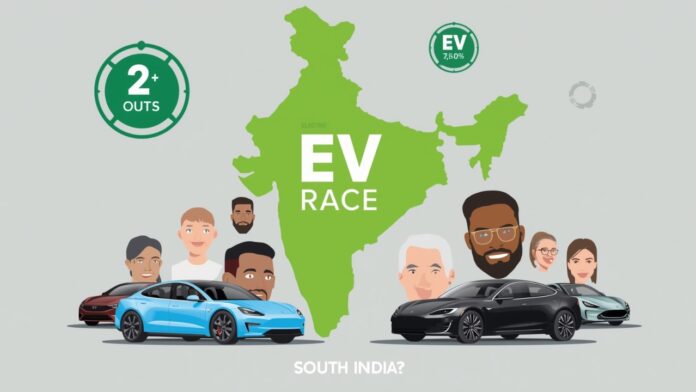
Two Out Of Every Five Electric Cars Come From These States South India Leading The Ev Race – 2 Out Of Every Five Electric Cars Come From These States, Why Is South India Leading The Ev Race?
Hindi News »
automobile »
Two Out Of Every Five Electric Cars Come From These States South India Leading The Ev Race
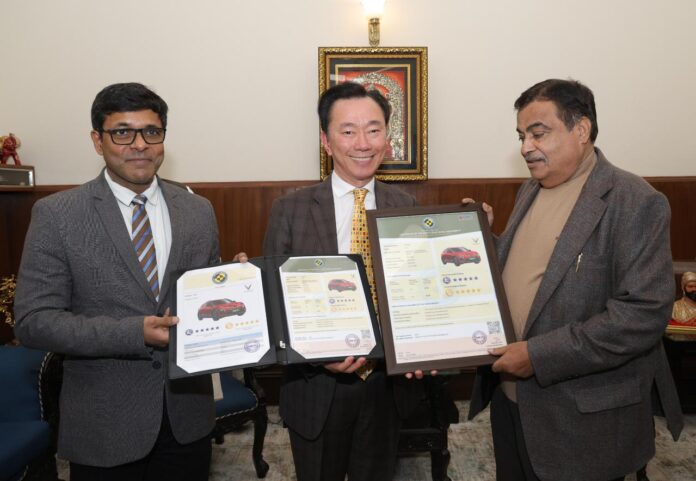
VinFast VF 6 and VF 7 have received the highest five-star safety certification from India’s Bharat New Car Assessment Program (Bharat NCAP). The results clearly demonstrate VinFast’s engineering capabilities to meet stringent safety standards while reaffirming the company’s customer-centric approach throughout product and service development.
According to the Bharat NCAP test results, VF 6 and VF 7 received a 5-star rating in both core safety categories. Specifically, the VF 6 scored 27.13/32 points for adult occupant protection (AOP) and 44.41/49 points for child occupant protection (COP). The AOP score of VF 7 is 28.54/32 points, and the COP score is 45.25/49 points. These scores reflect both models’ high levels of protection for adult and child occupants.
In the crash test evaluation, the two VinFast models continued to demonstrate strong safety performance. In the frontal crash test, the head, neck and thigh protection of the driver and passenger in both VF 6 and VF 7 scored 4.000 points, which is the highest score on the Bharat NCAP scale. In the side impact test, the two cars scored 16.000/16.000 for adult occupants and 8.000/8.000 for child occupants.
In the pole side impact test, the VF 6 and VF 7 achieved head injury assessments of 109 and 131 respectively, significantly lower than the Bharat NCAP critical threshold of 700. These results demonstrate effective head protection in high-risk crash scenarios.
Bharat NCAP is a vehicle safety assessment program implemented by the Indian government, in line with international practices such as Global NCAP. The program evaluates occupant protection through a series of crash tests and awards a safety rating of 3 to 5 stars. Receiving the highest rating confirms that VF 6 and VF 7 meet the stringent safety standards currently adopted in the Indian market.
Previously, VinFast models also received positive recognition from regional safety assessment agencies, reflecting the company’s consistent focus on safety. Notably, VinFast VF 8 received an ASEAN NCAP 5-star rating and surpassed more than 15 major automakers to receive 5 of the organization’s 6 2024 safety awards.
Mr. Tapan Ghosh, CEO, VinFast India, said, “Bharat NCAP’s awarding of 5-star safety ratings to VF 6 and VF 7 marks a significant milestone, underscoring the quality and high safety standards of VinFast electric vehicles in India, one of the world’s largest automotive markets. These results demonstrate that VinFast electric vehicles are built on strong engineering foundations and meet stringent safety assessment requirements. We remain committed to continue investing in product improvements to deliver not only environmentally friendly and
The technology is advanced while also giving customers confidence and peace of mind throughout the entire process of electric travel. “
Assembled at VinFast’s manufacturing facility in Tamil Nadu, the VF 6 and VF 7 are premium electric SUVs designed for customers with high expectations for safety, technology and everyday practicality. In addition to the five-star Bharat NCAP-rated EV-specific platform, both models are equipped with seven airbags and different versions of smart ADAS features such as automatic lane change assist, adaptive cruise control, emergency lane keeping assist, front and rear automatic emergency braking and blind spot detection, which enhances collision avoidance capabilities and driving support in different traffic conditions.
The two electric SUVs form an important part of VinFast’s comprehensive electric vehicle ecosystem in India, which includes local manufacturing, retail network, charging infrastructure and after-sales services. This integrated approach aims to deliver a seamless customer experience through strategic partnerships with local stakeholders.
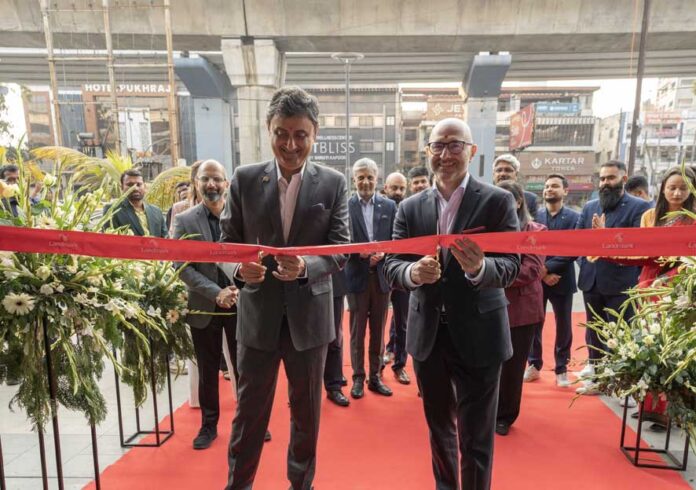
The country’s most desirable luxury automobile brand, Mercedes-Benz India, has inaugurated a new luxury sales showroom in Bhopal, Madhya Pradesh, strengthening its growing focus on the emerging luxury markets across India. The new facility further strengthens Mercedes-Benz’s footprint in the region and highlights the brand’s commitment to expanding its presence in rapidly growing urban centres.
Powered by Landmark Cars, a long-time franchise partner of Mercedes-Benz India, the Bhopal showroom is in line with the brand’s customer-centric ‘Go to the Customer’ strategy. The initiative aims to bring world-class luxury experiences closer to discerning customers in cities like Bhopal, which continues to demonstrate strong growth potential in the luxury automotive segment.
The newly opened Landmark Cars Bhopal showroom follows Mercedes-Benz’s innovative ‘Stars at Mercedes-Benz’ top-end vehicle flex format, offering high flexibility in showcasing the brand’s diverse portfolio at a single location. Depending on customer preference, the showroom can showcase models from Mercedes-Benz, Mercedes-Maybach, AMG and the prestigious G-Class range.
Strategically located within a premium commercial complex in Habib Ganj, one of the established localities of Bhopal, the showroom is spread over 1,100 sq. ft. Completed in a record time of just 4.5 months, the facility reflects the agility and scalability of Mercedes-Benz’s retail operations. With excellent connectivity and proximity to existing and potential customers, the new showroom is well positioned to cater to Bhopal’s growing luxury car market.
Highlights of the ‘Stars at Mercedes-Benz’ format:
Designed to provide high flexibility in a single location within an urban ethos, the showroom enables a seamless showcase of Mercedes-Benz’s diverse brands including Mercedes-Maybach, AMG, G-Class and core Mercedes-Benz models, supported by adaptable brand elements and customized luxury display spaces. The design enables seamless switching between logos and brand elements with minimal manual efforts depending on the model on display. This unique format allows for better space optimization for clients, allowing sharper focus on specialized client consultation with a dedicated client consultation area.
The Bhopal showroom is supported by a trained team of around 10 professionals and adds to Landmark Cars’ growing network of nine Mercedes-Benz sales outlets across India, with further expansion planned depending on the market potential.
“Mercedes-Benz continues to build strong momentum in the Indian market in 2025, reaffirming its position as the most desirable luxury automotive brand in the country. We have recorded growth in sales of our top-end vehicles and battery electric vehicle (BEV) portfolio, supported by strong revenue performance. In 2025, we plan to introduce 12 new products, expand our local production portfolio, launch MB.Charge public, enter new markets And are planning to make significant investments in upgrading their entire retail network.
Bhopal represents an important emerging market for Mercedes-Benz, and with the opening of this state-of-the-art showroom, our discerning customers in the city will enjoy an elevated luxury retail experience that reflects the core values of trust, prestige and excellence synonymous with the Mercedes-Benz brand,” said Emrah Oezer, CFO and Executive Director, Mercedes-Benz India.
Sanjay Thakkar, President and Executive Director, Landmark Cars, said, “We are delighted to further strengthen our partnership with Mercedes-Benz by inaugurating a world-class luxury sales outlet in Bhopal, a city that is witnessing a steady rise in premium automotive aspirations. This new facility reflects the global luxury standards of Mercedes-Benz, seamlessly integrating modern design, digital-enabled consultation and a highly personalized customer engagement model to provide a comprehensive and sophisticated purchase journey. The showroom, designed to provide customers with a holistic luxury ecosystem under one roof, focuses on exclusivity, comfort and convenience. We are confident that this new touchpoint will connect strongly with customers in Bhopal and the surrounding region, cementing Mercedes-Benz as the most aspirational and trusted luxury automotive brand.
With the opening of the Bhopal facility, Mercedes-Benz continues to expand its footprint in India’s luxury consumption hubs with a combination of modern retail formats, digital integration and curated customer experiences. The brand today has a presence in over 50 cities with over 140 luxury touchpoints, cementing its position as India’s leading luxury automotive brand.