Home Blog Page 16

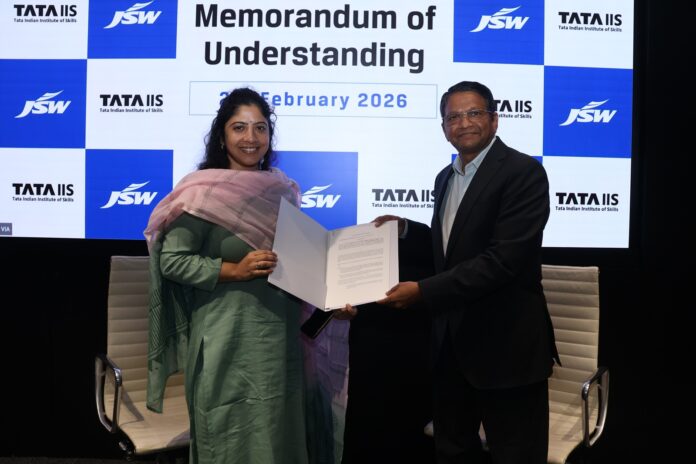
JSW Motors joins hands with Tata IIS to create India’s first end-to-end electric vehicle manufacturing talent pipeline –

JSW Motors Limited, the new energy vehicle (NEV) subsidiary of JSW Group, has signed a memorandum of understanding with Tata Indian Institute of Skills (Tata IIS) to create a structured technology talent pipeline ahead of the commissioning of its new electric vehicle manufacturing facility in Chhatrapati Sambhajinagar, Maharashtra. The partnership marks an important first step for the company in building an industry-leading skills ecosystem to support its long-term manufacturing vision.

Under this partnership, JSW Motors and Tata IIS will jointly develop specialized courses to cater to the needs of advanced electric vehicle manufacturing. The program will cover electric vehicle systems, automation, welding, CNC operations, battery technology and next-generation manufacturing processes. JSW Motors will retain full recruitment control and course validation rights, ensuring a strong alignment between training outcomes and the company’s changing production requirements.

Mr. Rupam Singh, Chief Human Resource Officer, JSW Motors Limited, said, “At JSW Motors, skills are not an HR function but a business imperative. As we build our manufacturing operations, we need people who are ready from day one. The Tata IIS partnership provides us with structured capabilities, relevant courses and rigorous execution in line with our timelines. It is an intentional bridge in our efforts to build a world-class training academy of our own.”

Tata IIS was selected after a nationwide competitive assessment of skilling institutes and stood out for its industry-level training infrastructure, proven track record with OEMs and application-oriented learning approach suitable for modern electric vehicle manufacturing. The collaboration also builds on the existing relationship established between Tata IIS and JSW Foundation through group-wide skill training programmes.

Mr. Venguswamy Ramaswamy, Chief Executive Officer Designate, Tata India Skills Institute, said, “At Tata IIS, our mission is to address the nation’s skilling challenges by developing the next generation workforce that is not only job-ready but future-ready. By designing customized programs in advanced manufacturing, we are equipping India’s youth with the high-precision skills needed to drive next-generation automotive excellence.”

JSW Motors’ broader skills roadmap extends far beyond its factory workforce. The company plans to expand capacity building initiatives across its supplier ecosystem, dealer network and even end customers to create a value chain that is fully EV-ready. Over time, JSW Motors intends to establish an in-house academy dedicated to advanced manufacturing and future mobility technologies, positioning itself as a capability leader to build one of the most ambitious new-age automotive manufacturing operations in India.
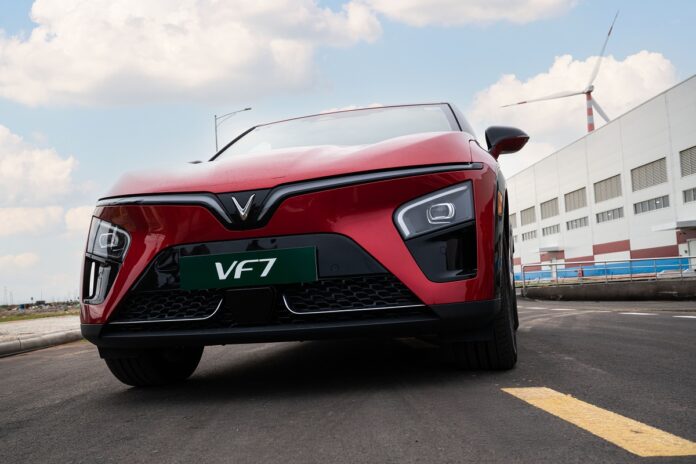
VinFast targets Indian petrol car parks to drive EV deals –

VinFast has launched an exchange program in India, inviting petrol car owners to trade in their old cars for locally assembled VF 6 and VF 7 electric SUVs, in one of the most direct attempts yet to accelerate India’s shift from internal combustion engines to electric vehicles.

The move comes as China’s electric vehicle transformation is moving from policy pronouncements to visible changes on the ground: state budgets, city pilots and growing queues at charging stations along national highways.

For newcomers, VinFast is expanding at an alarming rate. Within a year, it set up an assembly plant in Tamil Nadu, launched the VF 6 and VF 7 for Indian buyers, and forged partnerships that extend far beyond retail showrooms. The brand’s messaging to customers is also evolving – moving from aspirational positioning to a more practical, accessible narrative for everyday drivers.

Central to the strategy is a new exchange program that transforms the common practice of trading in used cars into a gateway to electric vehicle ownership. Customers purchasing gasoline vehicles can access cash support and structured financing through partner banks, thereby closing the upfront cost gap between internal combustion and electric SUVs. The aim is simple: lower the psychological and financial barriers that often hinder electric vehicle adoption.

Both SUVs come with tech-heavy kit – DC fast charging, connected car features and advanced driver assistance systems. VF 6 is equipped with a 59.6 kWh battery, has a MIDC-certified cruising range of up to 468 kilometers, and can be charged from 10% to 70% in about 25 minutes. The larger VF 7 has higher power output and similar charging performance. Importantly, both have received a five-star Bharat NCAP safety rating, strengthening VinFast’s pitch to safety-conscious Indian buyers.

This swap model is inspired by VinFast’s experience in Vietnam, where such events regularly attract thousands of visitors and result in hundreds of electric vehicles being purchased on the same day. Buyers walk in curious and are convinced after test drives, financial comparisons and clear after-sales commitments.

VinFast recognizes that EV acceptance relies heavily on supporting infrastructure and is investing in service capabilities and charging partnerships across the country. Agreements with dealer groups are expanding the use of EV-ready workshops, while partnerships with charging company V-Green and major fuel retailers aim to install fast chargers on existing petrol station networks. A long warranty of up to 10 years with free charging period and free maintenance is designed to ease early ownership anxiety.

For many early adopters, these guarantees make the switch feel less like a gamble and more like a logical upgrade. “I don’t feel like I’m being asked to take a leap of faith for environmental protection,” said a new VF 7 owner in Tamil Nadu. “The ecosystem already exists.”

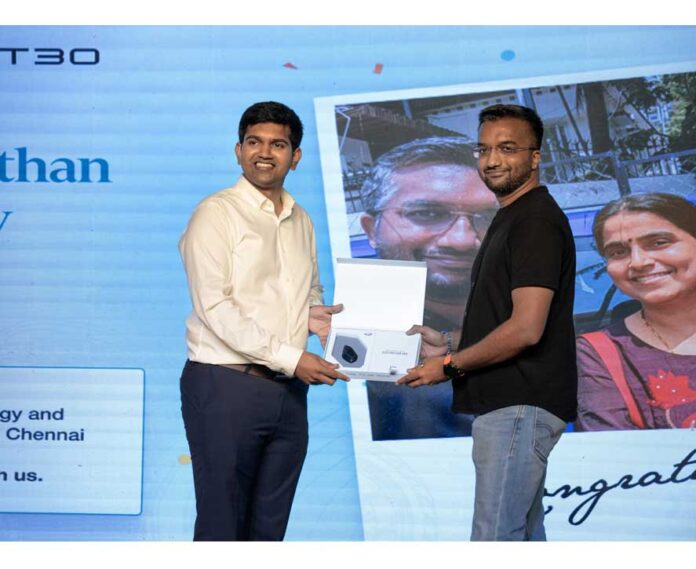
Raptee.HV starts mass delivery of T30 electric motorcycle |

Chennai-based electric motorcycle manufacturer Raptee.HV, which pioneered high-voltage technology (HV-tech) for two-wheelers, has begun mass customer deliveries of its T30 motorcycle. This milestone follows more than seven years of focused research and development, marking the company’s transition from engineering validation to full-scale customer deployment.

Commenting on the milestone, CEO and Co-Founder, Dinesh Arjun said: “With the start of mass customer deliveries, we are excited to share our product with a larger audience, a product that took 7 years to build. This moment is built on the trust of our early customers, who believed in our vision, our technology and our team before anyone else. We have deep gratitude for that trust, and our commitment to back it up not only with the motorcycle, but also with a seamless ownership from day one.” We are not only ready to deliver, but are also supported by a structured service ecosystem and a dedicated single point of service, which is more than enough to set a new benchmark in customer experience.

Chennai becomes Raptee.HV’s first operational market, with its delivery and customer support infrastructure now operational in the city. As part of its phased expansion strategy, the company will enter Bengaluru with a dedicated showroom and authorized service center from April 2026, marking its second key market. By the end of the year, Raptee.HV aims to establish its presence in all major South Indian state capitals and will also begin its reach in Western India.

The T30 demonstrates how Raptee.HV is bringing industry-first technology to the performance electric segment. Engineered for consistent top performance, instant torque, the motorcycle supports one of the fastest home-charging solutions in its class and is compatible with India’s widely available public charging network providing riders with car-grade charging convenience. Positioned at price parity with comparable ICE motorcycles, another industry-first in the segment, the T30 is backed by an 8-year standard battery warranty and an all-inclusive ex-showroom pricing structure designed to provide long-term ownership confidence.

Reflecting its engineering-based approach, Raptee.HV has received recognition from the Asia Book of Records for achieving the highest average distance traveled by a production electric motorcycle as well as the longest distance traveled by a production electric motorcycle in India. These validations underline the real-world capability and endurance of the T30 platform.

BMW Group India launches ‘Women Power Drive 2026’ as a nationwide celebration of women drivers and riders –


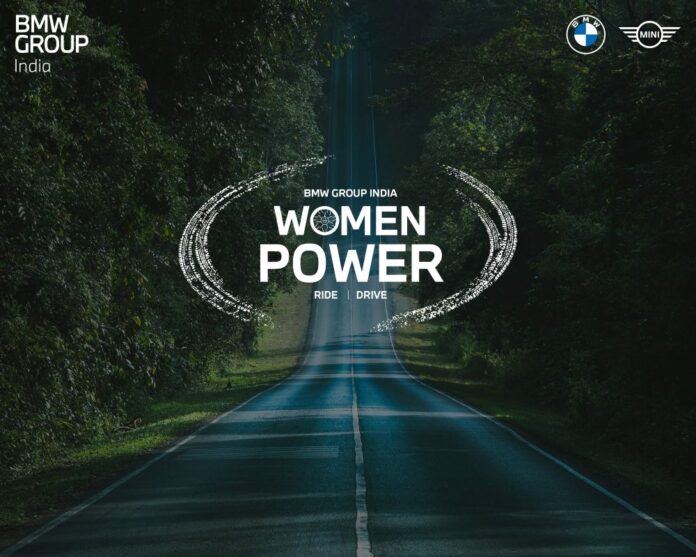
BMW Group India has announced the launch of ‘Women Power Drive’ 2026, a first-of-its-kind nationwide initiative that will bring together women customers of BMW, MINI and BMW Motorrad on March 7, 2026. The event, held around International Women’s Day, commemorates the passion, confidence and driving spirit of women across India while celebrating their growing influence in the automotive and motorcycle world.

Calling it a campaign built on unity and inspiration, Mr. Hardeep Singh Brar, President and CEO, BMW Group India, said the campaign not only recognizes women as customers but also as “pioneers and change-makers” in the mobility space. He added that the initiative reinforces the BMW Group’s commitment to creating an inclusive community among its luxury car and motorcycle brands.

Female enthusiasts can register through any BMW, MINI or BMW Motorrad dealer to participate in the experience. In addition to the events, participants will participate in carefully curated activities including artisanal cooking workshops, wellness and self-care classes, styling and beauty activities, and expert-led discussions on building confidence, nutrition and personal branding.

Expecting to engage more than 1,000 Indian women, BMW Group said Women Power Drive 2026 will be one of the most emotionally resonant events for customers, aiming to provide luxurious and meaningful connections at every touchpoint.


JSW Motors sharpens independent auto ambitions with nationwide dealer hunt ahead of NEV launch

JSW Motors, the standalone automotive arm of JSW Group, has launched its retail expansion strategy in India with a prominent full-page advertisement in The Economic Times, inviting potential dealer partners to “join this campaign”. The campaign signals the company’s independent entry into the passenger vehicle (PV) segment, separate from its joint venture with MG Motor India.

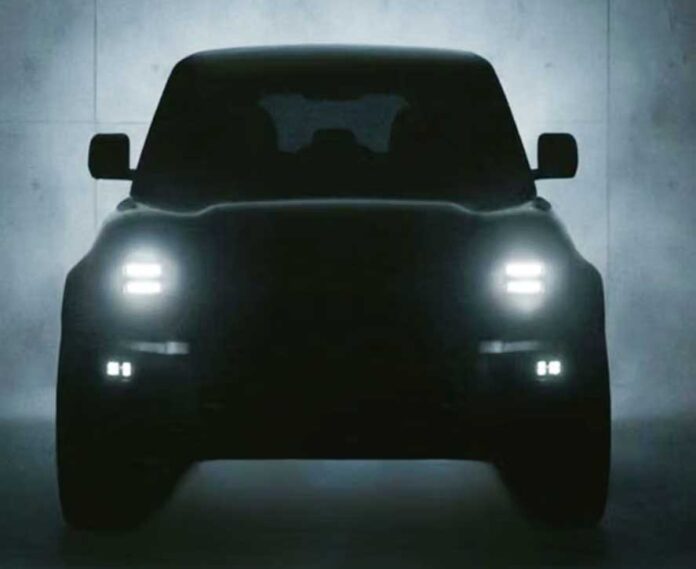
The teaser ad features a shadowy SUV silhouette with illuminated headlights, hinting at the brand’s upcoming product direction. As previously revealed by Managing Director Parth Jindal, JSW Motors plans to focus on mainstream electric vehicles (EV) and hybrid technologies by 2027, to position itself in India’s increasingly competitive new energy vehicle (NEV) market.

The move puts JSW Motors on track to emerge as India’s third leading domestic passenger vehicle maker after Tata Motors and Mahindra & Mahindra, as it accelerates the development of plug-in hybrid electric vehicles (PHEV) and fully electric models.

Dealer Network Expansion and Manufacturing Plans

The company has launched a nationwide dealer scouting initiative ahead of its NEV debut, inviting interested partners to submit expressions of interest by March 11, 2026. JSW Motors has confirmed a greenfield manufacturing facility in Chhatrapati Sambhaji Nagar (formerly Aurangabad), Maharashtra, with production expected to begin in the second half of 2026.

The outreach reflects JSW’s broader ambition to play a central role in India’s mobility transformation, leveraging the group’s long-term experience in infrastructure and industrial development.

Product Strategy and Technology Partnerships

Industry reports suggest that the company’s first model will be a PHEV SUV derived from the Jetour T2 platform developed by Chery Automobile, which is expected to be priced around ₹45 lakh (ex-showroom). The vehicle is expected to feature a 1.5-litre turbo-petrol engine paired with electric motors, offering both front-wheel-drive and all-wheel-drive configurations.

The launch timeline is expected to be between Q2 and H2 2026, targeting buyers in the ₹15-30 lakh segment and competing with established electrified SUV offerings.

Investment and expansion roadmap

JSW Motors’ independent automotive push complements its involvement in the JSW-MG joint venture, where it holds a 35% stake. The company has committed about $3 billion over five years for EV and hybrid development, including the Maharashtra facility, which will initially produce 500,000 units annually and expand to 2 million units over time.

An additional 900-acre manufacturing site is also planned in Odisha to support future expansion.

Instead of pursuing equity-based joint ventures, JSW is focusing on technology licensing collaboration, with Chery serving as a major partner for platforms and components. The localization level is expected to start at 70-75% and gradually increase to full localization to address India-China trade sensitivities and secure regulatory approvals.

mass mobility ambitions

Apart from passenger vehicles, JSW has received certification from the Automotive Research Association of India (ARAI) for its first 12-metre electric bus by February 20, 2026, with electric trucks and buses expected to follow soon.

The company aims to have 1 million JSW-branded vehicles on Indian roads by 2030. While regulatory approvals related to Chinese components remain a potential challenge, JSW Motors is pushing an aggressive timeline, with official bookings expected to begin around March 10, 2026.

EMO Energy partners with BNC Motors to expand commercial EV mobility platform AutoguideIndia

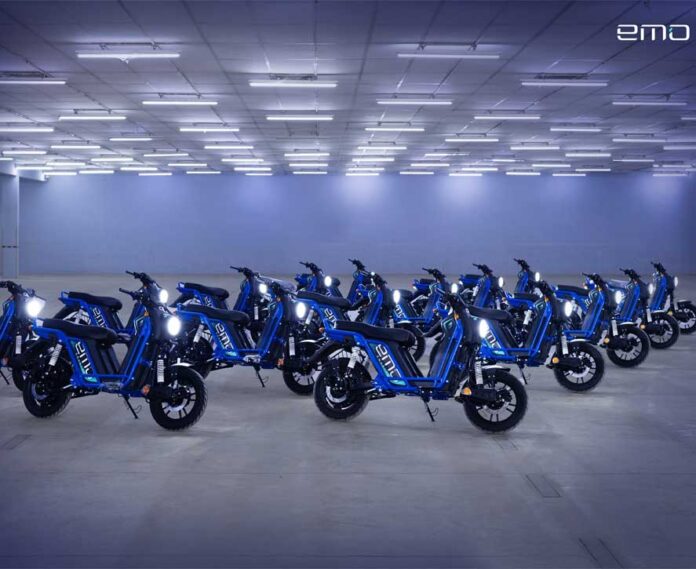
EMO Energy, a deep energy-technology company specializing in high-performance battery systems, has announced a strategic collaboration with BNC Motors to launch the EMO Challenger – a purpose-engineered electric mobility platform designed for high-usage last-mile and fleet operations across India.

The partnership combines BNC Motors’ commercial vehicle engineering expertise with EMO Energy’s advanced battery technology, creating a platform designed to deliver consistent daily operation, predictable performance and significantly reduced total cost of ownership in the demanding urban delivery ecosystem.

As India’s last-mile EV segment enters a performance-critical phase, there is a growing expectation for fleet vehicles to operate in multiple shifts with minimal downtime. However, battery degradation under intense charge cycles remains a major operational challenge for sectors such as instant commerce, e-commerce logistics and food delivery services – where reliability, uptime and consistent performance directly impact profitability and service efficiency.

EMO Challenger addresses this by combining:

Cell-level electrochemical modeling to predict battery behavior in real-time, advanced thermal management system engineered for extreme Indian temperatures, active balancing BMS architecture to minimize cell-level degradation, fleet-integrated diagnostics and analytics for proactive maintenance

“Fleet electrification cannot rely on average performance assumptions,” said Shitanshu Tyagi, co-founder and CEO of EMO Energy. “High-duty operations place stress on batteries at the cell level. Our architecture anticipates lithium plating, material loss and thermal inconsistencies before they translate into failure. With BNC Motors, we are combining BNC’s expertise in vehicle engineering and EMO’s battery intelligence to work as one system – ensuring predictable uptime in years, not quarters.”

The EMO Challenger platform is optimized for:

High payload and dense urban delivery routes Long asset life 20 minutes fast charging Scalable fleet deployment model

“Commercial EV adoption depends on sustainability as well as reliability and service accessibility,” said Aniruddha Ravi Narayanan, CEO, BNC Motors. “This collaboration strengthens our ability to deliver vehicles that meet the real operational demands of fleet customers while maintaining strong serviceability standards.”

Beyond the vehicle, the EMO Challenger integrates into EMO Energy’s broader energy ecosystem – including fast charging infrastructure, telematics integration, lifecycle monitoring, energy storage systems and 2w assets powered by EMO’s battery technology. This integrated approach aims to de-risk battery performance for companies and align asset performance with financing structures, an area on which institutional capital flows are increasing into fleet electrification. Initial deployment of 1000 vehicles with select companies is scheduled in Bengaluru and Gurugram, with a phased commercial expansion planned to 15,000 vehicles by 2026.

Founded in 2022 by Shitanshu Tyagi and Rahul Patel, EMO Energy is a deep energy-tech startup dedicated to accelerating mass electric vehicle adoption while advancing the decarbonization of urban energy systems. Its proprietary ZEN technology platform enables ultra-fast 20-minute charging, fire-resistant battery architecture and over 3,000 charging cycles, setting new standards for safety, efficiency and operational performance. The company’s advanced battery solutions support commercial electric mobility as well as large-scale energy storage deployments across various industry sectors.

TATA.ev partners with Shell India Mobility to launch 21 mega EV charging hubs across major Indian cities.

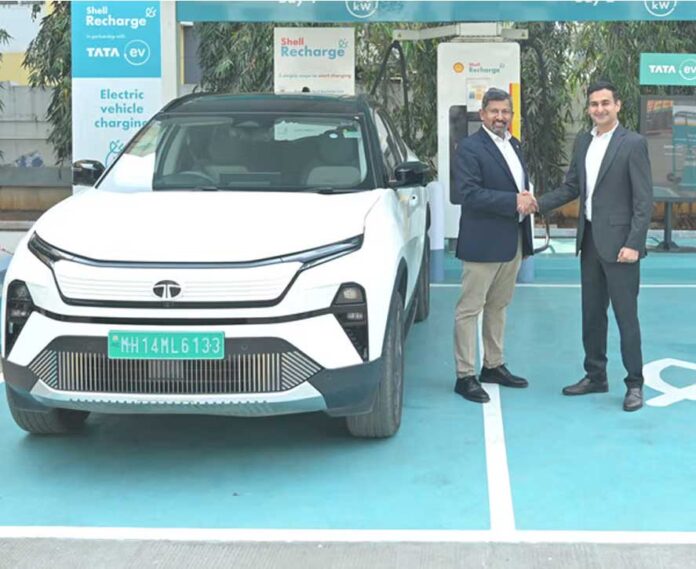
TATA.ev has announced a strategic collaboration with Shell India Mobility to deploy 21 new TATA.ev x Shell Mega Charging Hubs across Bengaluru, Chennai, Mysore, Pune and Vadodara, which will further strengthen India’s rapidly growing public electric vehicle charging infrastructure.

Equipped with 120kW fast chargers and multiple charging bays, the newly launched hubs are designed to provide faster, more reliable charging access for EV users while supporting both urban commutes and long-distance intercity travel.

Strategically located along major highway corridors and high-traffic urban areas, the charging hubs aim to address range anxiety and improve convenience for electric vehicle owners. Each facility offers on-ground support staff, clean restroom facilities and access to Shell Select and Daily2Go retail outlets for food and beverages. TATA.ev customers will also benefit from preferential charging tariffs as well as curated in-store offers.

Expanding nationwide charging ecosystem

With the addition of these new locations, the TATA.ev Mega Charging Hub network now exceeds 130 operational sites across India. The rollout is part of the company’s wider Open Collaboration 2.0 initiative, under which it is working with multiple charge point operators to develop high-speed charging corridors across the country.

TATA.ev has outlined an ambitious plan to deploy over 400,000 charging points across the country, including around 500 mega charging hubs, by 2027.

The latest expansion extends charging coverage across key mobility corridors, including major urban routes in Bengaluru and Chennai, intercity travel corridors in Karnataka and Tamil Nadu, commuter routes around Pune and the Ahmedabad-Mumbai highway network through Vadodara.

Strengthening EV adoption through partnerships

As the electric vehicle business arm of Tata Motors, TATA.ev is actively scaling up public charging infrastructure to accelerate EV adoption in India. Through Open Collaboration 2.0, the company aims to significantly expand charging availability by partnering with leading infrastructure providers and charge point operators.

The Mega Charging Hub network represents a key pillar of this strategy, focusing on high-capacity, high-speed charging stations located in urban centers and along highway routes. The first phases of the initiative included the deployment of strategically positioned Megachargers developed in collaboration with partners such as ChargeZone and Static.

Each Mega Charger site is designed to provide a seamless charging experience, combining fast charging capabilities of at least 120 kW with customer-friendly features including restrooms, dining options and real-time monitoring support.

Charging stations can be located and accessed through the iRA.ev mobile application, enabling simplified navigation, integrated payments and improved interoperability across multiple charging operator networks.

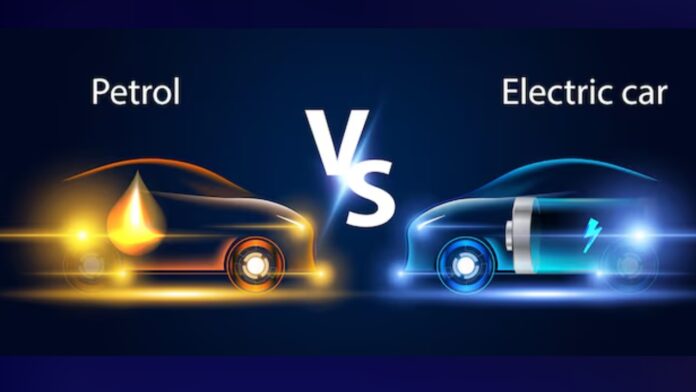
Earnings limited, expenses heavy? Petrol or electric car, which will save more in 5 years?

Income Is Limited Expenses Are High Petrol Or Electric Cars Save You More In 5 Years – Income Is Limited, Expenses Heavy? Petrol or electric car, which will save more in 5 years?

Hindi News »

automobile »

Income Is Limited Expenses Are High Petrol Or Electric Cars Save You More In 5 Years

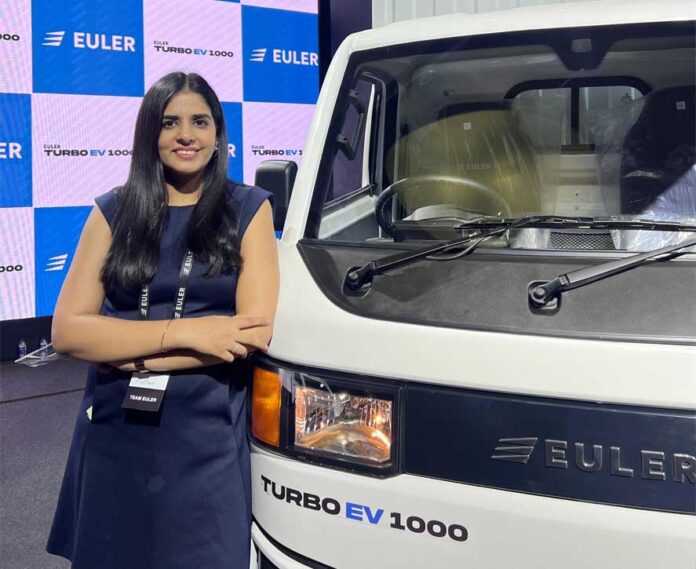
Euler Motors appoints Pallavi Arora as Associate Vice President-Marketing.

Euler Motors, a leading player in India’s electric commercial vehicle sector, has announced the promotion of Pallavi Arora to the position of Associate Vice President – ​​Marketing, an important milestone in her six-year tenure with the company.

In her expanded role, Arora will lead the company’s integrated marketing and communications function, overseeing public relations, digital and display marketing, social media strategy, brand marketing, as well as ATL and BTL initiatives across both B2B and B2C segments.

She will play a key role in strengthening brand positioning, driving digital transformation efforts and enhancing customer engagement strategies as Euler Motors continues to grow its footprint in India’s rapidly growing commercial electric vehicle market.

Prior to this promotion, Pallavi had served as Assistant General Manager – Marketing and earlier as Senior Manager – Marketing at Euler Motors. During this period, he conceptualized and led key initiatives aimed at accelerating awareness and adoption. The flagship campaign ‘Think Big, Think Euler HiLoad’ for HiLoad EV was led by him. He also led the launch of the ‘Aane De’ (“Let it Come”) campaign for the StormEV, India’s first 4W light commercial vehicle (LCV) equipped with ADAS. Recently, he led the brand campaign ‘Tan Tana Tan’ created to highlight the power and profitability of the company’s 1-tonne payload electric cargo vehicle Turbo EV 1000. The campaign is currently being extended to the ICC Men’s T20 World Cup 2026, India’s biggest sporting moment.

Their rise comes at a time when the commercial EV segment in India is witnessing a boom, driven by the expansion of the last-mile delivery ecosystem, e-commerce demand and increased adoption of technology-based mobility solutions.

Early in her career, Pallavi worked with Warner Bros. Pictures India, Mahindra Holidays & Resorts India Limited and Cube26 (acquired by Paytm). His progression reflects a strong foundation in strategic brand building and performance-based marketing, reinforcing Euler Motors’ commitment to developing leadership talent from within.

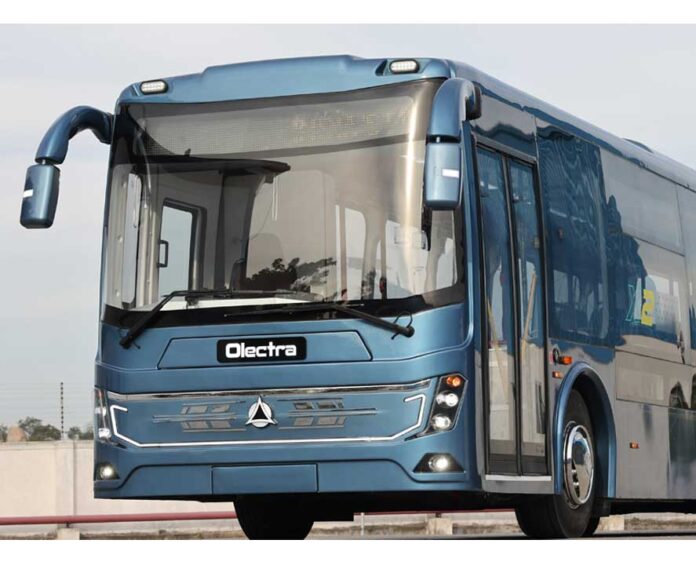
TGSRTC awards contract for 1,085 electric buses to Olectra Group in a deal worth Rs 1,800 crore.

EV Trans Private Limited (EVEY), a subsidiary of Oletra Greentech Limited, has received two award letters from Telangana State Road Transport Corporation (TGSRTC) for the supply, operation and maintenance of 1,085 electric buses for intra-city transportation across Telangana. The contract, worth approximately ₹1,800 crore for Olectra, marks one of the largest electric public mobility deployments in the region.

The order includes 1,025 twelve-metre non-AC electric buses and 60 twelve-metre AC variants. Structured under the Gross Cost Contract (GCC) or OPEX model, the agreement runs for 12 years. Under this arrangement, EVEY will purchase buses from Olectra Greentech, which will also be responsible for vehicle maintenance throughout the contract tenure. The delivery is scheduled to be completed over a period of 20 months.

Electric bus tenders in India are increasingly executed through the GCC or OPEX framework, where operators receive fixed payments per kilometer while transport authorities retain control over routes and fare structures. This model has become the preferred structure for large public transport projects, transferring procurement and maintenance risks to operators while ensuring consistent service delivery for state transport corporations.

The transaction between Olectra and EVEY falls under related-party transactions and will be conducted on arm’s length basis. The Promoter Group has no ownership or financial interest in the awarding authority TGSRTC.

The Telangana project reflects the growing scale of intra-city electric mobility adoption, moving from pilot deployment to large fleet electrification. With phased delivery planned over 20 months, the project will require coordinated development of charging infrastructure and depot preparation, making execution as logical an undertaking as a procurement exercise.