

Naveen Gupta, Founder and CEO, Trev Mobility
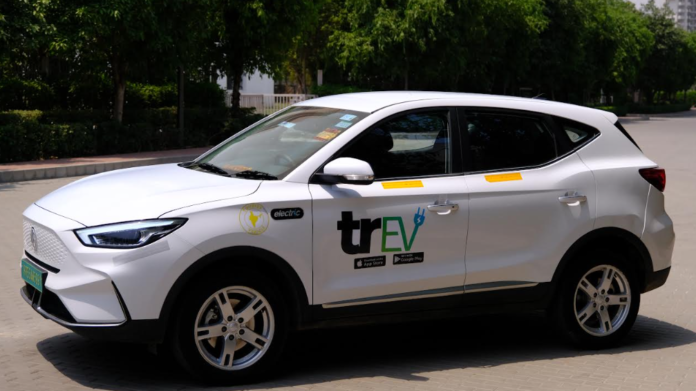
The shift to sustainable transportation is accelerating, but transitioning commercial fleets from internal combustion engines (ICEs) to electric vehicles (EVs) requires more than just buying new vehicles. Trev Mobility is a premium all-electric mobility platform that is leading the way by redefining planned urban and intercity commuting.
By focusing on operational efficiency, passenger comfort and data-driven fleet management, Trev Mobility is proving the long-term viability of commercial electric fleets. Here’s an inside look at how they manage the economics, maintenance and infrastructure of a modern electric fleet.
Total Cost of Ownership and Operational Realities
When evaluating total cost of ownership (TCO) over a 3- to 5-year period, electric vehicles make a compelling financial case for high-utilization fleets. While vehicle acquisition costs and insurance premiums remain relatively high (largely due to evolving underwriting models and the high value of battery systems), operating cost savings are considerable. Fleet operators benefit from reduced fuel dependence and reduced need for routine maintenance.
However, EV operations require careful monitoring of unique variables. For example, tire wear is largely affected by the increased weight and instantaneous torque of electric vehicles, while the secondary market for high-mileage commercial electric vehicles in India remains stable.
Naveen Gupta, founder and CEO of Trev Mobility, said: “From a fleet operator’s perspective, when utilization is high and the operating structure is efficient, electric vehicles start to show clear TCO advantages over internal combustion engine vehicles. The biggest savings come from lower operating costs, reduced dependence on fuel price fluctuations and fewer mechanical parts requiring regular maintenance.”
Fleet selection and the shift to data-driven maintenance
To ensure excellent ride quality and reliability, Trev Mobility’s fleet mainly consists of electric SUVs from BYD and MG Motor. The selection goes beyond brochure specifications and focuses on actual range, cabin space, software stability and OEM service responsiveness.
Since modern electric vehicles are essentially “computers on wheels,” maintenance has shifted from mechanical repairs to software management. While regenerative braking reduces mechanical maintenance (such as brake wear), components such as thermal management systems, charging connectors and tires require rigorous preventive monitoring. In addition, Trev relies heavily on over-the-air (OTA) updates to optimize vehicle performance without unnecessary trips to the shop floor, and strategically schedules these updates during low utilization windows.
“Today’s software reliability is almost as important as mechanical reliability. Real-time vehicle health tracking, battery analytics and predictive diagnostics help proactively identify issues before they impact uptime. Today’s EV fleet management is increasingly data-driven rather than purely mechanical,” he said.
Infrastructure and battery health
For commercial electric fleets, maximizing uptime is the ultimate goal. Trev Mobility does not rely on a single charging model; instead, they utilize route-based energy planning. AC charging is used for overnight schedules and long idle periods, while DC fast charging is used for quick turnaround times during periods of high demand.
This balancing method prevents unnecessary deep discharge cycles and reduces long-term stress on the battery. Because most of Trev’s trips are pre-scheduled, the company can proactively plan charging periods instead of relying on passive charging.
“For commercial electric fleets, charging today is both an operational planning function and an infrastructure requirement. Maintaining a balanced mix of AC and DC charging helps reduce long-term stress on the battery system, which is critical as fleet efficiency depends heavily on maintaining battery performance,” he explained.
Overcoming obstacles and the way forward
While consumer interest in electric vehicles continues to soar, large-scale fleet adoption faces clear barriers. The most pressing issue isn’t lack of demand or range anxiety, but “ecosystem consistency.” Commercial operators require reliable charging uptime and a standardized, fast service network to minimize operational downtime. Currently, with the independent EV aftermarket still in its infancy, fleet operators still rely heavily on OEMs for specialist spare parts such as power electronics and controllers.
Going forward, the integration of faster charging infrastructure, solid-state batteries and smart energy management systems is expected to further drive fleet profitability.
“The biggest challenge today is ecosystem consistency, not consumer interest. The demand for electric vehicle mobility is clearly growing, but large-scale fleet adoption depends heavily on the operational reliability of the entire ecosystem. For operators, reliability is more than just infrastructure density,” he said.
As electric vehicle technology continues to mature, companies like Trev Mobility are proving that with strict operational discipline, smart charging strategies and data-driven management, the future of premium commercial commuting is undoubtedly electric.