Behind this strong growth, each OEM is charting its own course, developing unique strategies and achieving varying degrees of success.
The Indian electric passenger vehicle (EV PV) market entered a decisive growth phase in fiscal 2026, with retail sales increasing significantly to nearly 200,000 units, an impressive 83.6% year-on-year growth. At the same time, the penetration of electric vehicles in the passenger car segment increased from 2.6% in fiscal 2024 to 4.2% in fiscal 2025, marking a steady shift towards electrification.
But behind this strong performance lies the hard work and desire of each OEM, which is forging its own path, with varying degrees of success and strategy.
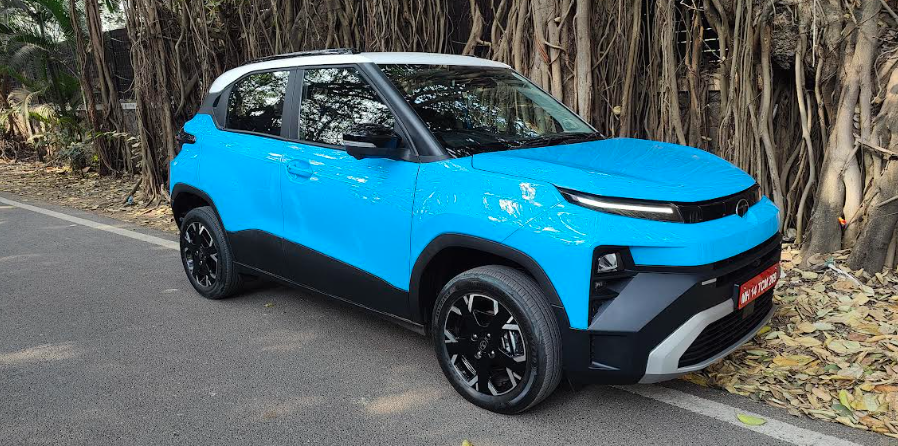
Tata Motors Passenger Cars continues to lead the electric vehicle race with retail sales of 78,811 units (57,994 units) in FY26, a growth of 35.9%. The company’s strengths lie in its first-mover advantage, broad product portfolio and strong ecosystem, which continue to solidify its leadership position despite increasing competition.
JSW MG Motor India has emerged as a strong challenger with sales of 53,089 units (30,569 units), a significant growth of 73.7%. Its focused EV portfolio and aggressive positioning have helped it gain meaningful share, making it one of the fastest-expanding players in the space.
Mahindra & Mahindra became the biggest disruptor this year, with sales of electric vehicles soaring to 42,721 units (8,426 units), an increase of 407%. This reflects a clear shift in its strategy and is supported by new product launches and strong market acceptance.
Hyundai Motor India and BYD India are also gaining traction, but at a more cautious pace. Hyundai showed early momentum with sales of 5,885 units (2,477 units), a strong increase of 137.6%, while BYD continued to establish its niche in the premium electric vehicle segment with sales of 5,361 units (3,481 units), a solid increase of 54%.
Kia India, despite starting from a lower starting point, recorded the highest growth rate of 794%, reaching 3,738 units as compared to 418 units in the same period last year. This shows that the company is entering the electric vehicle space early, but the area may expand further as the product portfolio expands.
In the luxury segment, BMW India performed strongly, selling 3,537 units (1,580 units), a growth of 123.9%, highlighting the growing demand for premium electric vehicles. However, Mercedes-Benz sales edged down 9.5% to 1,047 units (1,157 units), reflecting a more cautious or transitional phase in its electric vehicle journey.
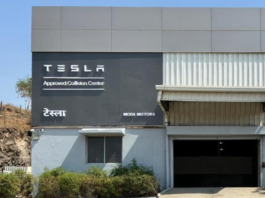
New entrants and emerging players are also beginning to emerge. VinFast first launched with sales of 2,390 units, while Tesla India sold 342 units, marking an early stage of activity in the market. Although Maruti Suzuki dominates the internal combustion engine car segment, it has just entered the electric vehicle segment with 1,416 units, indicating a late but potentially significant entry.
On the other hand, some OEMs are facing headwinds. Stellantis fell sharply by 71.4% to 576 units (2,013 units), while Volvo fell slightly by 5.2% to 382 units (403 units), underlining the challenges of expanding electric vehicle sales.
Overall, the market is clearly expanding, but the competitive landscape is also becoming more dynamic. While leaders such as Tata Motors continue to dominate, challengers such as MG and Mahindra are rapidly closing the gap. At the same time, global players and new entrants are testing the waters, further adding to the market’s complexity.
The bigger takeaway is obvious – India’s EV transition is no longer a wave of the future; it’s actively underway. As the OEM strategy evolves, the next phase of growth will depend not only on volume, but also on innovation, positioning and the ability to sustainably expand.