Home Blog Page 33

Center installed over 27,000 EV charging stations at petrol pumps across India.

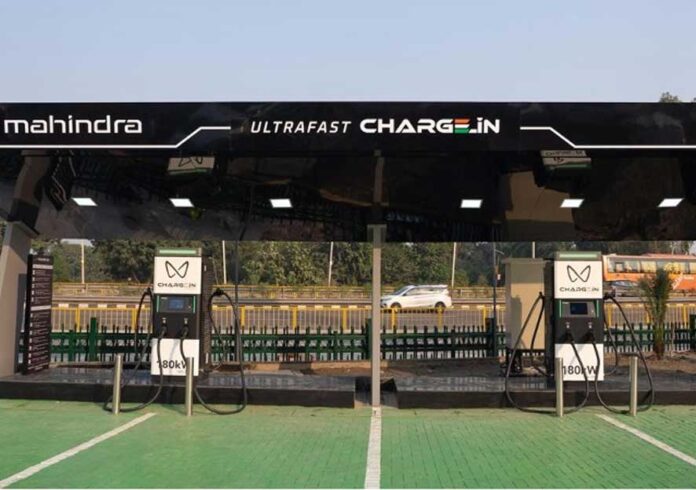
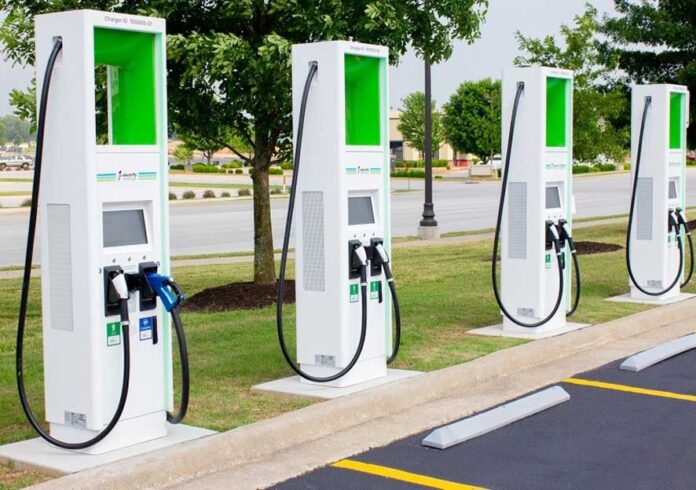
India significantly accelerates its electric mobility by 2025 with the installation of over 27,000 electric vehicle (EV) charging stations at petrol pumps across the country, strengthening the country’s public charging infrastructure and improving the ease of EV adoption.

According to the year-end review of the Ministry of Petroleum and Natural Gas, a total of 27,432 EV charging stations are now operational at fuel retail outlets across India. Of these, 8,932 charging stations were set up under the FAME-II scheme, while oil marketing companies (OMCs) installed over 18,500 chargers using their own capital expenditure.

By integrating EV chargers at existing petrol pumps – locations that are already familiar and accessible to motorists – the government aims to remove range anxiety and make EV charging more convenient for both two-wheeler and passenger car users.

Energy stations along major corridors

As part of a broader shift towards integrated mobility solutions, public sector oil marketing companies are developing 4,000 ‘energy stations’ on highways, freight corridors and other strategic locations between 2024-25 and 2028-29.

These energy stations are being designed as multi-fuel mobility hubs, offering conventional fuels such as petrol and diesel along with alternative energy options including biofuels, CNG, LNG (where possible) and EV charging infrastructure.
By November 1, 2025, 1,064 energy stations have already been operational across the country.

Focus on Trucking and Highway Safety

Apart from passenger mobility, the government also strengthened infrastructure for the commercial transport sector. Under the ‘Apna Ghar’ initiative, more than 500 rest areas were developed for truck drivers during the year. These facilities aim to improve road safety, provide respectable resting places for drivers and create employment opportunities in rural and semi-urban areas.

Biofuels and digital infrastructure see strong growth

Biofuels recorded significant progress in 2024-25, with ethanol blending in petrol reaching an average of 19.24 per cent. This achievement has resulted in significant reduction in carbon emissions as well as foreign exchange savings of over ₹1.55 lakh crore.

The ministry also scaled up second generation (2G) ethanol production under the Pradhan Mantri G-WAN scheme, with operational plants at Panipat and Numaligarh marking important milestones in India’s clean fuel journey.

In the retail sector, modernization of petroleum marketing infrastructure continued. Over 90,000 fuel retail outlets were enabled with digital payment systems supported by over 2.71 lakh POS terminals. Additionally, door-to-door delivery of petrol and diesel expanded through the commissioning of over 3,200 fuel bowsers, improving access in remote and underserved areas.

Under the Swachh Bharat Mission, toilet facilities were ensured at almost all retail outlets, with most of them providing separate facilities for men and women, thereby enhancing hygiene and customer convenience.

Collectively, these initiatives underline India’s multi-pronged strategy to create a cleaner, smarter and more efficient transport ecosystem by integrating electric mobility, alternative fuels, digital infrastructure and inclusive logistics development.
YOUDHA launches Travo L5 electric cargo three-wheeler for last-mile logistics.

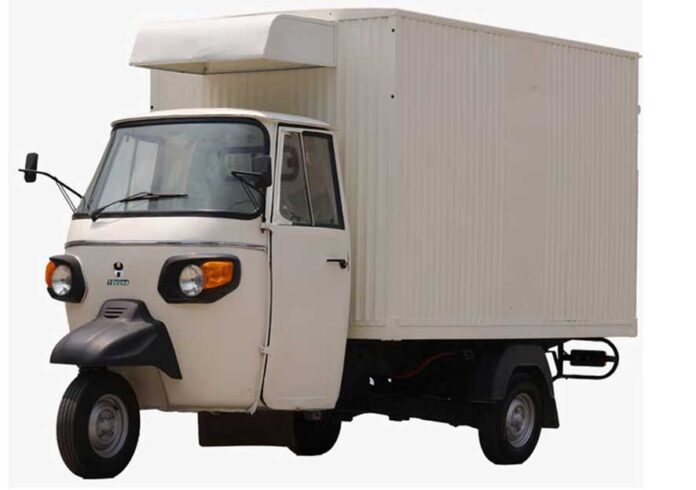
YOUDHA has launched the Trevo L5 electric cargo three-wheeler in New Delhi, strengthening its portfolio of electric commercial vehicles aimed at last-mile delivery and intra-city logistics. Priced between ₹4.35 lakh and ₹4.75 lakh, the Travo L5 is aimed at businesses and fleet operators looking to transition from ICE-powered cargo three-wheelers to electric mobility.

The Trevo L5 is powered by a 10-kilowatt electric motor, offering a top speed of 48 km/h. It offers two battery options: an 11.8 kWh fixed battery and an optional 7.6 kWh swappable battery, which offers a certified range of 130-150 km on a single charge. Charging time is rated at 4-5 hours, which supports daily commercial operations.

Designed for heavy-duty urban use, the electric cargo three-wheeler supports a gross vehicle weight (GVW) of 1,200 kg and is fitted with 4.50-10, 8PR tyres, offering up to 13 degrees of gradeability. The cargo deck is available in half-deck configuration of 140 cu. feet and 170 cu. ft., meeting various logistics requirements.

The Travo L5 features a fully enclosed cabin with doors, enhancing driver comfort and safety, as well as a CAN-based digital instrument cluster for real-time vehicle diagnostics and operational data.

Trevo L5 is YOUDHA’s second product launch after the launch of YOUDHA EPOD. Its parent company, Zuparia Auto, which also owns the Lohia and Yudha brands, has announced an investment of ₹20 crore to expand EV manufacturing capacity across India and strengthen dealer and service network.

Commenting on the launch, Ayush Lohia, CEO, YOUDHA, said, “YouDHA Trevo has been developed with a strong focus on business profitability and operational reliability. India’s last-mile delivery ecosystem requires vehicles that are not only electric, but also robust, reliable and economically viable. Trevo has been engineered to deliver low running costs, zero tailpipe emissions and consistent performance under real-world load conditions.”

YOUDHA focuses on developing electric commercial vehicles tailored to Indian operating conditions with an emphasis on performance, durability and total cost of ownership for businesses, fleet operators and entrepreneurs.

TATA.ev crosses 250,000 EV sales, consolidates leadership in India’s electric PV market

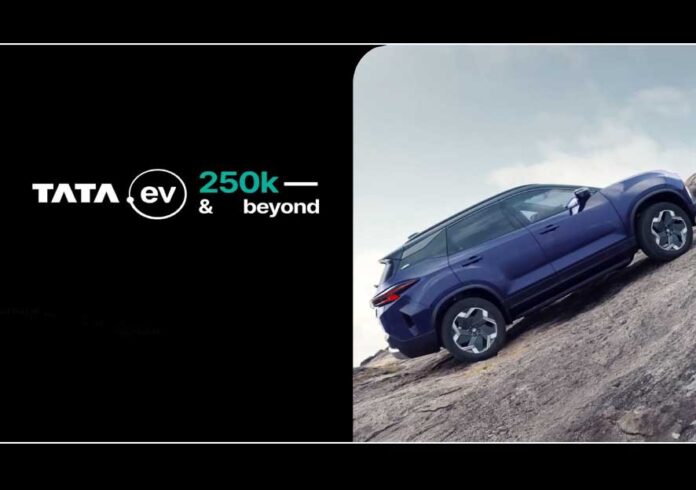
Tata Motors has reached a major milestone in India’s electric mobility journey, with over 250,000 TATA.ev vehicles now on Indian roads, cementing its position as the pioneer and market leader in the country’s electric passenger vehicle (EV) segment.

The achievement comes as electric mobility in India’s automotive market is rapidly moving from niche adoption to mainstream acceptance – a transition in which Tata Motors has played a pivotal role. Since the launch of its first mass-market electric car, the Nexon.ev in 2020, TATA.ev has continuously shaped the evolution of India’s EV ecosystem. Nexon.ev has been at the center of this transformation, becoming India’s first electric passenger vehicle to cross 100,000 cumulative sales.

Today, Tata Motors commands a dominant share of 66% in India’s electric passenger vehicle market, underscoring its leadership, long-term vision and commitment towards sustainable mobility and nation-building.

With India’s largest and most diverse EV portfolio for personal mobility, TATA.ev offers models across key segments including the XPRES-T EV for fleet and commercial use as well as Tiago.ev,punch.ev, Nexon.ev, curvv.ev, and Harrier.ev. This extensive lineup spans multiple body styles and price points, ensuring that electric mobility is accessible to a wide range of Indian consumers.

Celebrating these achievements, Shailesh Chandra, MD & CEO, Tata Motors Passenger Vehicles Limited, said, “The sale of 250,000 EVs reflects that electric mobility is fast becoming a part of everyday Indian life. Our customers are driving more, traveling farther, and are increasingly relying on EVs as their only car. Our EV journey, which began in 2018, has never been about leading alone. It was about building the ecosystem to enable India’s transition to clean mobility. This progress is the result of the visionary policies of the government, the strong support of our supplier partners and charging infrastructure providers. As EV adoption accelerates, our commitment remains clear: by making it accessible across all sectors, and by investing in India-first technology and localisation. Will continue to lead the EV market.

Empowering EVs with unmatched charging infrastructure

Tata Motors is powering India’s EV revolution with an unmatched ecosystem. TATA.ev already has over 2 lakh charging points in its network through a combination of home charging, community charging and public charging through partner CPOs. TATA.ev’s charging aggregator offers the most comprehensive coverage of public chargers with over 20,000 named charging points. It also has the largest network of superfast chargers, with 16 charging points and 100 megacharging hubs already in place across key corridors in the country with 120kW+ charging speeds.

Boldly localizing India’s EV ecosystem

The TATA.ev ecosystem has the largest network of EV service outlets across the country, with ~1,500 bays across the country dedicated exclusively to electric vehicles. This broad reach is supported by over 5,000 specially trained EV technicians, who ensure expert care for every TATA.ev vehicle.

With a deep network of suppliers for key EV components and partnerships for battery recycling, TATA.ev has taken bold steps to localize the EV value chain, starting with the heart of every electric vehicle – the HV battery pack and battery management system – developed in close collaboration with other Tata Group companies. The drive to deepen localization intensified as a broad network of key vendor partners came together to localize power electronics, wiring harnesses and thermal management systems, creating a flexible, India-centric supply base. This united effort ensures that every TATA.ev vehicle is built with more than 50% locally manufactured content, strengthening the ‘Make in India’ approach by providing cost competitiveness and significantly reducing import dependency.

The next wave from TATA.ev

Building on its leading role in India’s electric mobility transformation, Tata Motors is now entering the next phase of growth with a clear focus on scale, mainstreaming and sustainable leadership.

Upcoming EV Launch:

CY26: Sierra.av and the new Punch.av

CY26 (end of year): Avinya range of premium luxury EVs

By FY30: Five new EV nameplates including Sierra and Avinya supported by multiple updates and refreshes across the portfolio

expansion of charging infra

Next generation charging: Customer expectations have changed from charging access to super-fast, reliable charging

By CY27: 400,000 charge points, including over 30,000 public fast chargers, through the TATA.ev open collaboration framework.

By 2030: 1 million charge points and 100,000 public charge points through TATA.ev open collaboration

Comprehensive service, green second life

Expanded Service Network: India’s most comprehensive EV service network with dedicated EV bays and battery repair centers

Second Owner Comfort: Peace of mind with battery health check and renewal service

Enabling the circular economy: reusing EV batteries in energy-storage applications

Localization for greater self-reliance

Next big leap: Sourcing locally produced HV battery cells from Agratas’ upcoming gigafactory in Sanand

Strengthening supply security and EV self-reliance: TATA.ev’s bold initiative provides a ready footboard for other industry players to join, accelerating India’s transition to true EV independence and strengthening TATA.ev’s leadership in the electric m.

Volkswagen ID. Polo enters final testing ahead of global debut

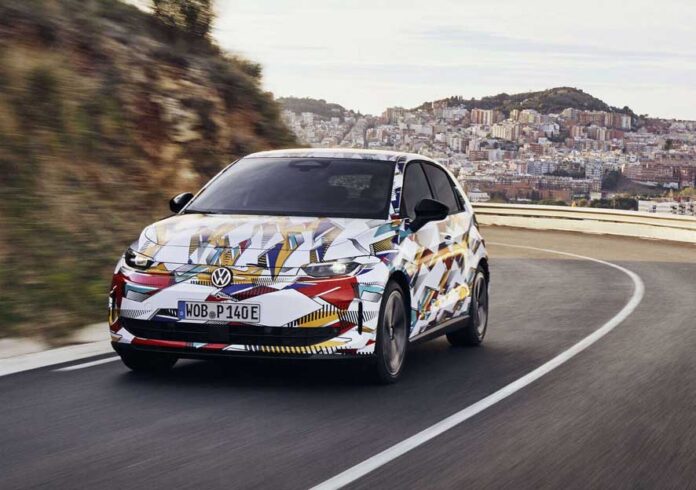
Volkswagen is entering the final stages of development of its upcoming ID. The Polo is nearing series production as an all-electric hatchback. Just months ahead of its global debut, a fleet of near-production-spec prototypes is undergoing intensive final testing in multiple regions around the world.

These extensive road tests focus on validating build quality, attention to detail and fine-tuning the driving dynamics to ensure the ID. The Polo met Volkswagen’s standards in terms of performance, comfort and reliability before its market launch.

Commenting on the milestone, Thomas Schaefer, member of the management board of Volkswagen AG for Brand Group Core and CEO of the Volkswagen brand, told ID. The Polo represents a turning point for the company’s electric strategy.

“The ID. Polo marks the beginning of a new generation of Volkswagen – featuring fresh design, intuitive operation, top-tier quality and first-class driving characteristics. Importantly, it also brings back a proper name. With a starting price of around €25,000, we are making electric mobility accessible to a wider customer base in Europe.”

Schaefer said the ID. Polo is only the first step towards broader change. Volkswagen plans to introduce six new all-electric models by 2026, reinforcing its commitment to delivering 100 percent Volkswagen DNA in the electric age.

Located as a key volume driver, ID. Carrying forward the legacy of one of Volkswagen’s most iconic nameplates, the Polo is set to redefine affordable electric mobility.

A new era – 50 years after the first Polo. With ID. With the Polo, Volkswagen is focusing on familiar strengths: intuitive handling, functionality, quality and affordability. Also I.D. The Polo is the first model to feature the new ‘Pure Positive’ design language by design chief Andreas Mindt. The result is a compact electric model that offers more space and precise driving characteristics at the next higher class level of vehicle. Moreover, it is the first model in electric ID. The family would carry the established Volkswagen name Polo.

Four power outputs, two battery sizes, range up to 450 km. In its debut in spring 2026, the ID. The Polo will be available in three power outputs: 85 kW (116 PS), 99 kW (135 PS) and 155 kW (211 PS). Sporty ID. The Polo GTI with 166 kW (226 PS) will arrive later this year.

The 85kWh and 99kWh versions will come as standard with a 37kWh (net) LFP (Lithium Iron Phosphate) high voltage battery. This battery can be charged at up to 90 kW DC rapid-charging points. The 155kW and 166kW versions will be powered by an NMC (Nickel Manganese Cobalt) version of the new Powerco integrated cell, with an energy content of 52kW (net), capable of a range of up to 450km and charging up to 130kW DC.

ID. The Polo features newly developed front-wheel drive. It is based on a further developed modular electric drive matrix: MEB+. The completely new, highly efficient electric drive reduces complexity, number of components and weight – parameters that allow Volkswagen to reduce costs and consumption. Furthermore, electric front-wheel drive offers clear space advantages. The main module includes the latest generation highly efficient Volkswagen electric motor, called the APP 290. Integrated flat into the underbody is a new battery generation: the Powerco integrated cell, which uses cell-to-pack technology. This eliminates the intermediate step via module housing and connects the cells directly to the battery pack – reducing price, installation space and weight while increasing energy density by approximately 10 percent. Advantages: More range.

Democratizing innovations. With MEB+, not only the latest electric drive technologies but also several next-generation assistance systems make their way into the ID. Polo. These include significantly improved travel assistance: the system can enable assisted lateral and longitudinal guidance and assisted lane changes on motorways. Also, travel assistance in ID. The Polo will offer traffic light and stop sign recognition for the first time.

Main data of the new ID. Polo. ID. The Polo is 4,053 mm long, 1,816 mm wide and 1,530 mm high. Its wheelbase is 2,600 mm. Although its size is approximately the same as the classic Polo (MQB, Modular Transverse Toolkit), the electric ID. Thanks to the compact drive module of the MEB+ the Polo offers obvious space benefits: passengers benefit from an additional 19 mm of interior length, which is particularly noticeable at the rear. Interior width and headroom have also increased. Compared to the classic Polo, the volume of the luggage compartment has increased by 24 percent – from 351 to 435 liters. With the rear seatbacks folded down, load volume increases to 1,243 liters (compared to 1,125 liters in the classic Polo). This extra space always makes for a four-door, five-seater ID. The Polo is more versatile than any of its predecessors – perfectly suited to urban life and everyday use with friends and family.

The brand group harnesses the full innovative power of core Europe. Development of ID. The Polo is a collaborative project within the Brand Group core: SEAT and CUPRA led the project, and the ID. The Polo was designed at the Volkswagen Design Center in Wolfsburg. Key technologies – such as software, assistance systems, drive, chassis and steering – come from Volkswagen’s MEB+ platform. ID. The Polo will be manufactured at the SEAT & CUPRA plant in Martorell, Spain.

BYD hits 15 million NEV production milestone amid strong global sales growth |

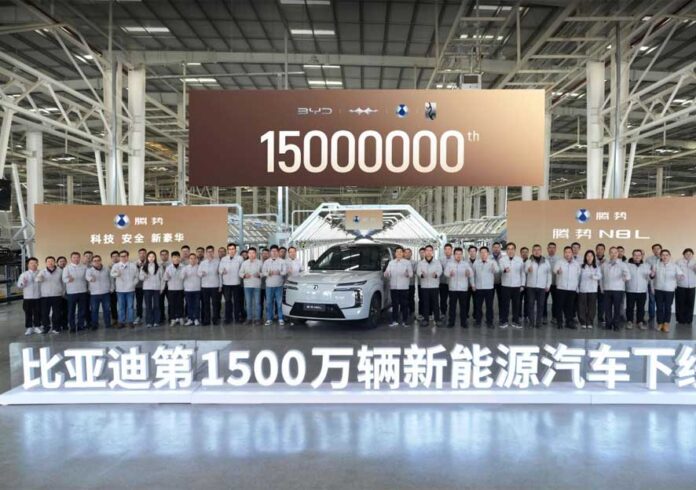
BYD has marked a significant global milestone with the rollout of its 15 millionth new energy vehicle (NEV) from the company’s Jinan manufacturing facility. The landmark vehicle is the Denza N8L, which also represents the 15,000th unit of the premium SUV to be produced. Positioned as a full-size, six-seat SUV, the Denza N8L is widely recognized for its advanced safety credentials and premium positioning.

BYD’s sales momentum remained strong throughout 2025. Between January and November, the company recorded cumulative sales of 4.182 million vehicles, showing a growth of 11.3 percent year-on-year. Overseas markets continued to play a key role in BYD’s expansion, with international sales reaching 917,000 units, surpassing the company’s total overseas sales for the entire 2024 calendar year.

Currently, BYD’s new energy vehicle portfolio is available in more than 119 countries and regions across six continents, underscoring the company’s rapidly growing global footprint.

Technological innovation remains the cornerstone of BYD’s development. In the first three quarters of 2025, the company’s R&D expenditure reached 43.75 billion yuan, an increase of 31% year-on-year. Cumulative R&D investment now exceeds 220 billion yuan, underscoring its long-term commitment to technological leadership.

Guided by its core values ​​of “Elegance, Innovation, Technology”, Denza has successfully entered several Asian markets including Singapore, Thailand and Malaysia. In the first half of the year, the Denza D9 has emerged as the best-selling luxury MPV in several markets including Indonesia, Thailand and Malaysia.

The brand has expanded its footprint across key regions in Europe and Latin America, playing a key role in accelerating the electrification transformation of the global luxury automotive market.

Exicom launches ‘Exicom One’ integrated EV charging rollout solution for CPOs and OEMs AutoGuideIndia

Axicom Tele-Systems Limited, one of India’s leading manufacturers of EV charging and critical power solutions, has announced the launch of Axicom One, an integrated, turnkey EV charging rollout solution designed to simplify and accelerate the deployment of charging infrastructure.

Exicom One redefines the way businesses build, operate and scale EV charging networks by offering full ownership of the rollout process. The solution covers every step – from site survey and electrical infrastructure setup to charger hardware, software platform, operations and long-term maintenance – bringing all elements together under a single, intelligent end-to-end offering.

As electric vehicle adoption continues to accelerate in India, charge point operators (CPOs) and EV manufacturers are growing aggressively, with ambitious plans to deploy hundreds of thousands of chargers by 2030, including a growing share of high-capacity DC fast chargers. Although intentions and investments are strong, large-scale implementation remains a significant challenge.

Exicom One addresses this gap by enabling reliable, consistent and efficient deployment of EV charging infrastructure at speed. By integrating hardware, software and managed services into a seamless solution, Exicom aims to provide greater operational efficiency, faster time-to-market and peace of mind for customers expanding their charging networks across the country.

The launch of Exicom One reinforces Exicom’s commitment to supporting India’s rapidly growing EV ecosystem and enabling the scalable infrastructure needed to power the country’s electric mobility transition.

With years of on-ground experience and one of the widest installation footprints in India, Exicom understands that installing charging stations is not just a hardware exercise. Beyond the equipment, it demands intelligent chargers that can be remotely monitored, diagnosed, and optimized in real-time to keep the network running reliably at scale. Overall, it is a complex arrangement of civil works, electrical integration, firmware, software and operations. Exicom One simplifies this complexity. It brings it all together for businesses through a single partner that can assess and plan sites, execute turnkey rollouts, and run AI-powered remote management for intelligent charging station operations. The result is faster time to market, lower total cost of ownership and a seamless experience for both operators and EV drivers.

Exicom has recently partnered with a leading EV manufacturer to roll-out end-to-end high-power charging stations through its newly launched CPO network. Installed around major highway corridors and high customer traffic points, the network aims to provide open and easy fast charging to EV owners.

“India’s EV story will grow only as fast as the infrastructure behind it,” said Anant Nahata, managing director and CEO of Exicom. “While most of the focus is on hardware innovation, it’s the implementation on the ground that truly defines success. Exicom One is designed to remove that friction by bringing every piece of the puzzle together under one accountable partner. It’s a smarter, faster way for CPOs and fleets to grow with confidence and focus on what really matters: delivering a reliable charging experience.”

Exicom has continuously invested in strengthening India’s EV infrastructure ecosystem through technology initiatives such as its AI-based predictive maintenance platform (Harmony Connect) and most recently support for the mobile EV charging concept Charger-on-Wheels. Exicom One builds on these efforts to provide a future-ready solution, capable of integrating renewable energy systems, ultra-fast charging technologies, and vehicle-to-grid (V2G) applications as these technologies evolve.

Bizliride partners with BGauss to expand electric two-wheeler rental fleet across India.

Bizliride, one of India’s fastest growing electric two-wheeler rental platforms, has entered into a strategic partnership with leading electric two-wheeler OEM, BGauss, to accelerate the expansion of its EV rental operations across key Indian cities.

Under the partnership, BGauss will supply high-performance electric scooters that will become a core component of Bijliride’s expanding rental and enterprise fleet. Bizliride plans to add 7,000 BeGos electric scooters to its existing fleet of 3,000 vehicles, taking the total deployment to 10,000 electric two-wheelers by December 2026.

Designed with a special focus on quality, durability and rider comfort, the BGauss electric scooter aligns with Bijliride’s objective of providing reliable and efficient electric mobility solutions. The vehicles will cater to a wide range of users including individual commuters, gig economy riders and enterprise customers.

This collaboration supports BijliRide’s mission to make sustainable mobility more accessible, affordable and reliable while strengthening its presence in India’s rapidly growing electric mobility and shared transportation ecosystem.

Under Phase 1, Bizliride will expand bGauss-enabled rental operations in four major cities, starting with Hyderabad, followed by Mumbai, Bengaluru and Delhi NCR. These cities have been strategically identified for their strong demand in last-mile logistics, shared mobility and sustainable urban mobility.

“Our objective is clear: to make electric mobility reliable and convenient at scale,” said Mr. Shivam Sisodia, CEO and Co-Founder, Bizliride. “BGOS’s focus on engineering quality and rider comfort complements our full-stack mobility platform, enabling us to deliver a seamless EV rental experience in high-impact urban markets.”

Bizliride operates as a full-stack mobility-tech company, providing IoT-enabled fleet management, smart battery charging and swapping, centralized dashboard for predictive maintenance, and 24×7 on-road and charging assistance to ensure high fleet uptime and operational efficiency.

The BGauss C12i Max, Oowah, and other models deployed in Bijliride’s fleet feature removable lithium-ion batteries, extended range, robust suspension, smart connectivity, and weather-resistant design, making them suitable for urban commuting and logistics use cases. These capabilities have helped Bijliride maintain fleet uptime of over 95%.

Looking ahead, Bizliride plans to expand its presence to 10+ cities by the end of next year, scaling up both B2B fleet partnerships and B2C rental services, while continuing to build a reliable and connected EV ecosystem for everyday urban mobility.

Travel launches premium EV cab service in Gurugram, plans to have 500 electric cabs by 2026

Sahil Jindal, Managing Director, Jindal Group, along with three of his entrepreneur friends, has announced the launch of Travel, a premium electric vehicle (EV) cab-hailing service, which is beginning operations in Gurugram. Positioned at the convergence of luxury, sustainability and reliability, Travail aims to redefine urban mobility through an all-electric, service-based approach.

Billed as India’s latest mass-premium electric mobility company, Travail has officially entered the market with a clear focus on city travel, airport transfers and business-class commuting. The company has outlined an ambitious expansion plan to deploy 500 luxury electric cabs by 2026, cementing its presence as a next-generation alternative to traditional aggregator-based ride platforms.

Differentiating itself from typical cab aggregators, Travail operates a 100% self-managed fleet model, with all drivers employed on a monthly payroll. This structure ensures high service consistency, improved driver welfare and enhanced customer experience standards. Currently, Travel City offers trips, airport transfers and hourly rentals, while outstation services are expected to launch soon.

With its premium EV-first strategy and emphasis on reliability and comfort, Travail aims to play a key role in shaping the future of sustainable urban transportation in India.

Travel has introduced a zero cancellation policy to ensure that passengers do not face last minute ride cancellations. The platform also offers a 100% on-time guarantee, powered by an advanced scheduling and route-optimization system designed to provide punctuality that passengers can rely on.

Each travel vehicle is equipped with an AI-enabled advanced dashcam capable of analyzing driver behaviour, speed patterns and travel risk indicators. Additionally, each ride includes a GPS-enabled live location-sharing feature, ensuring real-time safety visibility for passengers and their families.

Speaking on the launch, Mishu Ahluwalia, CEO, Travel Mobility, said: “The city’s dense corporate ecosystem, demand for airport connectivity and digitally savvy population make Gurugram a natural launchpad for Travel’s expansion strategy. Gurugram represents India’s evolving mobility expectations – premium, safe, electric and professional. With Travel, we are taking the city from ‘convenience with compromises’ to business-class reliability. Our The fully managed EV fleet, powered and supported by a trained driver workforce, is designed to give urban commuters a predictable, safe and premium travel experience. The company is working closely with city authorities and ecosystem partners to streamline EV charging, route safety and fleet optimization as it expands to new areas in Gurugram in the coming months.

Launched by the quadruple of Sahil Jindal, Mishu Ahluwalia, Nagarjuna KR and Rishi Raj Kochhar, with its unique mass premium positioning, Travail aims to serve both daily commuters and enterprise customers seeking sustainable and advanced mobility solutions.

As Travail accelerates its national growth ambitions, the brand aims to create a new category in India’s urban mobility landscape, where premium EV rides, AI-powered safety and professional driver management come together under a single, transparent ecosystem.

Travelocity, co-founded by Mishu Ahluwalia, Sahil Jindal, Rishi Raj Kochhar and Nagarjuna KR, is a mass-premium electric mobility company that offers more than just cab services. Positioned as a trusted partner for executive and business travel, Travelocity ensures zero cancellations, punctuality guarantee and a seamless commuting experience. With a fleet of premium electric vehicles that blend luxury, sustainability, and reliability, Travelo aims to transform every journey – whether city commute, airport transfer, or corporate commute – into a comfortable and sophisticated experience.

Battery Smart crosses 100 million EV battery swaps, announces ₹10 crore driver welfare fund |

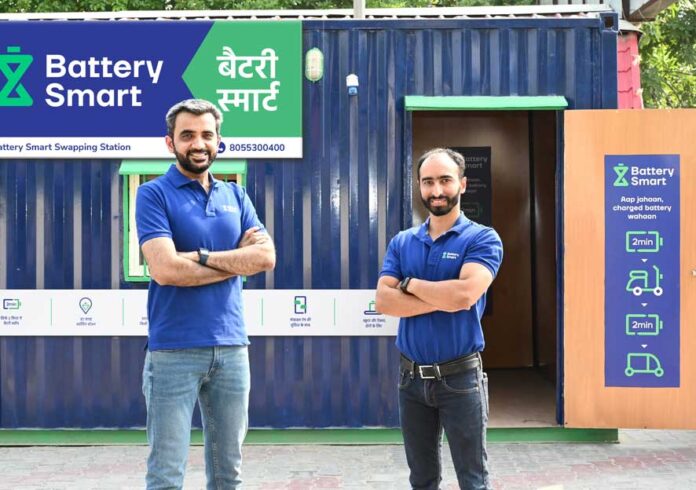
Battery Smart has achieved a historic milestone in India’s electric mobility journey by becoming the first company in the country to complete 100 million EV battery swaps. This achievement extends to electric two-wheelers and three-wheelers across its nationwide network, underscoring the rapid adoption of battery-swapping solutions in India.

Reaching this milestone in less than five years since its inception, Battery Smart’s growth reflects India’s growing shift towards clean, affordable and accessible electric mobility. The company’s success is driven by its technology-based, scalable and pan-India battery-swapping model, with strong ecosystem partnerships and a focus on cost efficiency. Today, it is estimated that Battery Smart powers approximately 70% of India’s battery swapping infrastructure.

To further strengthen its commitment towards the EV ecosystem, Battery Smart also announced a ₹10 crore EV Driver Welfare Fund to be launched in 2026, aimed at supporting the well-being and livelihood of EV drivers across the country.

To celebrate this achievement and strengthen its commitment towards drivers, Battery Smart also launched Driver Welfare Fund 2026, a ₹10 crore initiative aimed at enhancing the social and economic security of its driver community. The fund will provide insurance and financial protection, referral and reward programs, free swaps, skill development and community inclusion initiatives, benefiting approximately 1 lakh EV drivers.

Speaking on the milestone, Pulkit Khurana and Siddharth Sikka, co-founders of Battery Smart, said, “Crossing 100 million swaps is a milestone not only for us, but for EV adoption in India. It demonstrates the potential of battery swapping to make clean mobility accessible, affordable and inclusive on a large scale. Each swap represents a choice, a driver who chooses clean mobility over combustion, providing reassurance over worries and long waits.” This achievement is thanks to our community of drivers, battery swap station partners, investors and policy makers who believed that battery swapping could be successful in India.

Looking ahead, the Driver Wellbeing Fund reinforces our commitment to the community that made it possible. As we move forward, we are focused on strengthening India’s EV mobility backbone powered by smart IoT batteries, more efficient station operations and stronger safety systems. This milestone is just the beginning, and together, we are building the future of clean mobility for India,” said Siddharth Sikka, Co-Founder, Battery Smart, sharing his thoughts.

Battery Smart has also built an inclusive EV ecosystem with over 5,000 women drivers and over 250 women partners, promoting diverse participation in India’s clean mobility journey. Its technology stack enables predictive maintenance, minimizing downtime for drivers, a key factor in the gig economy where every hour counts. Leveraging IoT-enabled batteries and real-time monitoring, the company ensures high uptime and reliable swapping experience across the country, allowing drivers to swap anytime, anywhere.

Looking ahead, Battery Smart plans to expand to 100 more cities by 2026, deploy thousands of additional swap stations, and increase daily swaps to meet the growing demand from commercial EV operators. The roadmap also includes investments in next-generation safety systems and advanced IoT intelligence, while the company continues to collaborate with regulators and industry stakeholders to accelerate India’s clean mobility transformation.

TVS leads Indian electric 2-W market in first half of December; Industry crosses 1.2 million units in CY2025 |

The Indian electric two-wheeler (e-2W) industry crossed the 1.2 million units mark for the first time in H1 December 2025, with 47,205 e-scooters, e-motorcycles and e-mopeds delivered between December 1-15. Although slightly slower than previous months, this trend is due to new buyers postponing purchases until 2026.

With still 16 days left in the month, December could still become the highest month for E-2W sales, surpassing the 75,950 units delivered in December 2023. Cumulative sales from January 1 to December 15 stand at 12,29,356 units, up 7% year-on-year, pointing to a record 1.25 million units in CY2025.

TVS Motor Company remains at number 1 position

TVS Motor Company continued to lead the e-2W market with 13,297 units, retaining its top position after wresting it back from Bajaj Auto in November. TVS is the only manufacturer to cross 10,000 units in the first half of December, ahead of Bajaj Auto by 3,773 units.

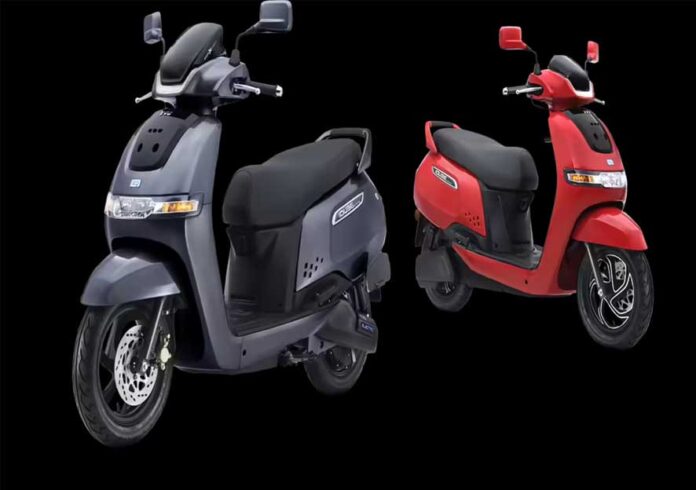
While the iQube remains the company’s mainstay, TVS has started a phased rollout of the Orbiter e-scooter. Priced at ₹99,900 ex-showroom Bengaluru (including PM e-Drive subsidy), the Orbiter has a 3.1 kWh battery pack, a top speed of 68 km/h and an IDC range of 158 km, making it suitable for urban commuting. The rollout has started in Karnataka and is expanding to Maharashtra.

Bajaj Auto and Ather Energy

Bajaj Auto delivered 9,524 Chetak e-scooters during the period. The Pune-based OEM, which also sells Yulu e-scooter, is preparing to launch a new model as early as CY2026, which may have caused some buyers to postpone the purchase. Bajaj Auto now operates 390 exclusive Chetak stores and 4,000 sales centers across 800 cities.

Ather Energy retained its No. 3 position by selling 8,376 e-scooters, trailing Bajaj by 1,148 units. Strong demand for the Ritz family – which recently crossed 200,000 cumulative units – and the higher-range variants of the 450S and 450X have led to increased sales. The Battery-as-a-Service (BaaS) option reduced the upfront price of the Rizta S to ₹76,000, improving affordability and market penetration.

Hero MotoCorp and Ola Electric

Hero MotoCorp, now ranked fourth, delivered 5,418 units and sold over 10,000 e-2W per month for six consecutive months, driven by demand for the Vida VX2 model.

At number five, Ola Electric delivered 3,079 units. The company has begun deliveries of vehicles equipped with its indigenously manufactured 4680 Bharat Cell battery pack, making the S1 Pro+ the first Indian scooter with domestically produced cells, giving Ola complete control over cell and battery pack production.

Emerging OEM

Greaves Electric Mobility (GEM/Ampere) retained the No. 6 spot with 1,939 units driven by models like Nexus, Magnus Neo and Grand, crossing 250,000 cumulative sales.

Other emerging OEMs in the top 10 include:

Bagos Auto – 7th with 894 units (RUV 350, Max C12) River EV (formerly River Mobility) – 8th with 857 units (River Indy) Quantum Energy – 9th with 375 units (Business XS with Indofast Energy) Revolt Motors – 10th with 298 units (electric motorcycle)