Tag: Ministry of Power

  • India crosses 52,000 public EV charging stations across the country

    India crosses 52,000 public EV charging stations across the country

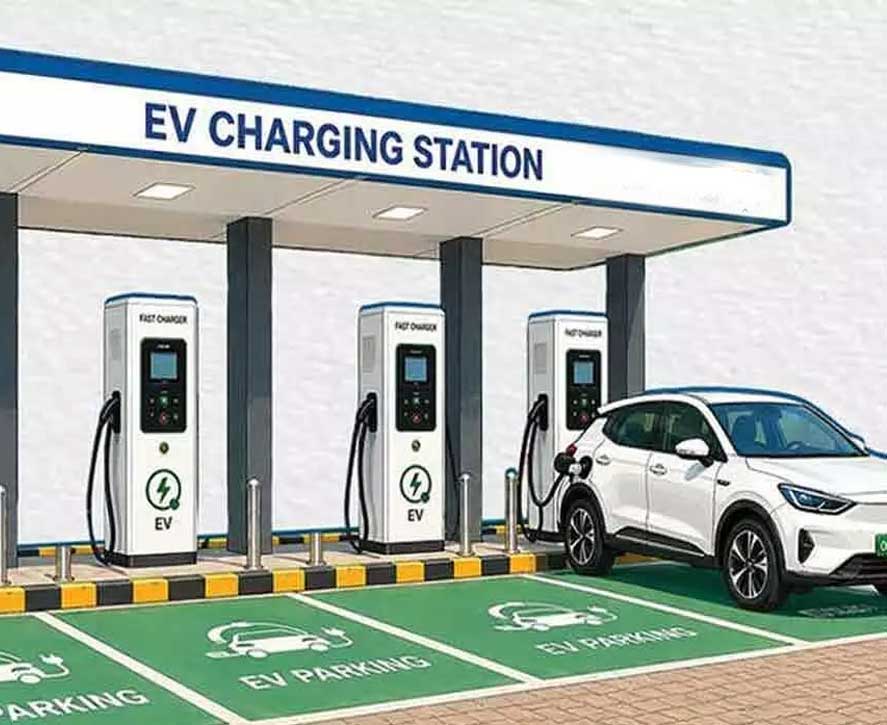
    India has crossed the milestone of 52,000 public electric vehicle (EV) charging stations, reflecting the government’s continued efforts to strengthen the country’s EV ecosystem and reduce range anxiety among users. According to information shared in the Lok Sabha by Minister of State for Heavy Industries Bhupathiraju Srinivas Varma, there are currently 52,718 public EV charging stations in the country, including 16,561 fast charging stations designed for electric cars.

    The government said it is actively expanding charging infrastructure through financial assistance under key schemes. The Ministry of Heavy Industries has allocated ₹912.50 crore under the FAME-II scheme and ₹2,000 crore under the PM e-Drive scheme to set up public EV charging stations in cities and highways, which will improve charging access across the country.

    To further support EV adoption, the power ministry has issued Guidelines 2024 for Establishment and Operation of Electric Vehicle Charging Infrastructure, which set standards for an interoperable charging ecosystem, including battery swapping and charging stations. The government has also made the installation of EV charging stations an unlicensed activity, allowing private companies and entrepreneurs to set up charging infrastructure more easily.

    Responding to a question on exclusion of electric passenger cars from the PM e-Drive scheme, the government clarified that electric cars are already supported under the Production Linked Incentive (PLI) scheme for automobiles and auto components. Under the scheme, eligible original equipment manufacturers (OEMs) get financial incentives ranging from 13% to 18% on incremental sales of Advanced Automotive Technology (AAT) vehicles, including electric four-wheelers.

    The government also highlighted the achievements of its EV promotion initiative. FAME India Scheme Phase-II, implemented between April 1, 2019 to March 31, 2024, has supported the sale of approximately 16.72 lakh electric vehicles, including electric two-wheelers, three-wheelers and four-wheelers, with a total outlay of ₹11,500 crore. The scheme also facilitates the deployment of 5,197 electric buses by June 30, 2026, supporting the development of public charging infrastructure.

    Additionally, the PM e-Drive scheme, launched on September 29, 2024 with a budget of ₹10,900 crore, aims to support the deployment of around 28.30 lakh electric vehicles, including electric two-wheelers, three-wheelers, trucks, buses and ambulances. The scheme also provides funding for expanding public EV charging stations and upgrading vehicle testing agencies, with ₹2,000 crore specifically earmarked for the development of charging infrastructure across the country.
  • Power Ministry releases draft amendments to expand EV charging infrastructure

    Power Ministry releases draft amendments to expand EV charging infrastructure

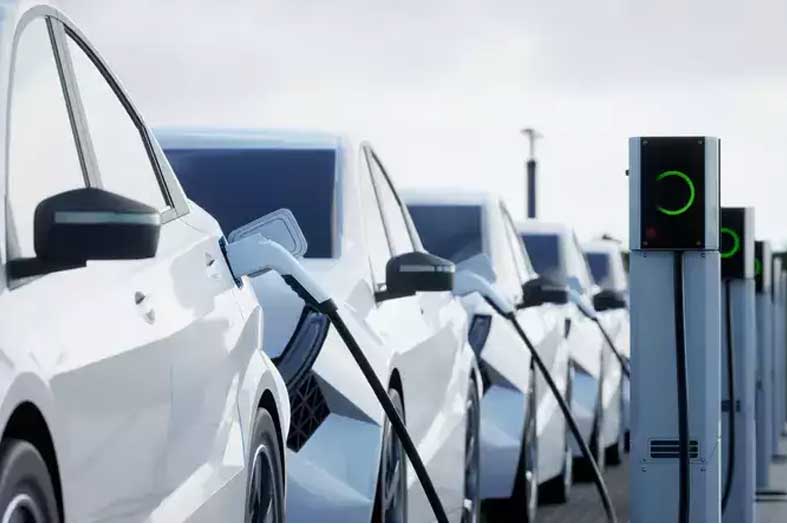
    The Power Ministry has released a draft of amendments to the guidelines governing the installation and operation of electric vehicle (EV) charging infrastructure in India. These proposed changes are aimed at enhancing the EV charging ecosystem in response to the growing demand for electric mobility. The government is inviting feedback from stakeholders and the public to improve the proposals and effectively address the existing challenges.

    The main focus of the amendments is to simplify the process of setting up an EV charging station. By reducing regulatory barriers, guidelines It aims to encourage greater participation of private players in building charging infrastructure. This is expected to attract more investment, promote competition and ultimately benefit consumers through better services and competitive pricing.

    The draft also emphasizes ensuring that the charging infrastructure is compatible with a wide range of EV models. With proposed standards designed to enable seamless access to charging points for all types of EVs, interoperability is said to be essential for user convenience. This approach aims to boost confidence among potential EV users by providing a reliable and flexible charging network, thereby further accelerating the adoption of electric vehicles.

    The draft amendment also emphasizes integration of renewable energy sources into the EV charging network. It encourages the use of solar power and other sustainable energy solutions to power charging stations, in line with India’s commitment to sustainability and reducing carbon emissions. By incorporating renewable energy, charging infrastructure can contribute to a cleaner environment while enhancing the benefits of electric mobility.

    Another key focus is to promote public-private partnerships (PPP) to expand the EV charging network. The government believes that collaboration between public agencies and private companies can accelerate the deployment of charging stations and ensure their strategic placement to meet user demand. These partnerships can also introduce technological innovation and operational expertise from the private sector, further increasing the efficiency and reach of charging infrastructure.

    The amendments also address operational considerations such as pricing, security standards and grid integration. Transparent pricing mechanisms are proposed to ensure fairness and affordability for consumers. Security and technical standards are prioritized to maintain reliability and protect users and devices. Additionally, the guidelines explore strategies to integrate charging stations with the power grid, promoting efficient energy use while minimizing the impact on grid stability.

    The power ministry has invited feedback from stakeholders including businesses, industry experts and consumers to refine the draft amendments. This inclusive approach aims to develop a comprehensive policy that addresses diverse needs and supports the rapid growth of electric mobility in India.