
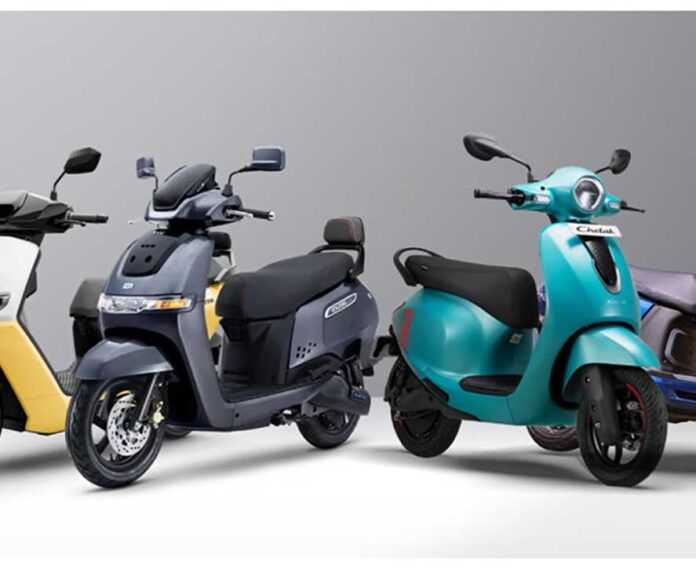

Nearly half of Indian two-wheeler buyers are considering an electric vehicle for their next purchase, according to a new report by Boston Consulting Group (BCG), indicating the growing mainstream acceptance of electric two-wheelers (E2W).
The report titled Electric in Charge: How India’s e2Ws are moving into the mainstream found that the share of consumers actively considering an electric two-wheeler is expected to increase from 30% in 2024 to 43% in 2026. Meanwhile, the proportion of consumers rejecting electric two-wheelers declined from 38% to 29% in the same period.
The findings indicate a shift in consumer attitudes as electric two-wheelers gain traction beyond early adopters, supported by improvements in product appeal and ownership experience.
Electric two-wheeler sales and market penetration increased
The growing interest in electric mobility is reflected in sales trends. According to BCG, the share of electric two-wheelers in total two-wheeler sales between April and August 2026 was 9.9%, compared to 5.5% in FY2024.
Electric penetration in the scooter segment is expected to increase from 16.8% in FY 2024 to 24.1% in FY 2027. India’s overall two-wheeler market recorded a compound annual growth rate (CAGR) of about 12% between FY2022 and FY2026, while the scooter segment grew by about 19%.
BCG said electric scooters have grown three times faster than internal combustion engine (ICE) scooters. The report also estimates that around 180,000 new consumers entered the electric two-wheeler market every month from FY 2027 to August 2026.
These trends show that electric two-wheelers are attracting a wider customer base as adoption extends beyond consumers who were initially enthusiastic about electric vehicles.
Design and performance improve consumer perceptions
Design and aesthetics have emerged as important factors influencing the consideration of electric two-wheelers. According to BCG, the share of short-haul working commuters who consider electric two-wheelers aesthetically attractive is expected to increase from 30% in 2024 to 59% in 2026.
Performance perception has also improved. During the same period, the proportion of consumers switching to electric two-wheelers with good pickup increased from 27% to 48%.
BCG partially attributed the shift toward greater acceptance to improved perceptions of speed, acceleration, styling and brand trust. These factors are helping undecided consumers consider an electric two-wheeler for their next purchase.
However, concerns related to battery range, safety, service access, performance and long-term ownership continue to influence purchase decisions. Consumers are also concerned about the longevity of electric two-wheelers compared to traditional petrol-powered models.
The report found that true ownership experiences broadly meet or exceed consumer expectations in areas including operating costs, maintenance expenses, storage, comfort, mobility and digital features.
Three consumer groups shape the E2W market
BCG categorizes electric two-wheeler consumers into three broad groups: enthusiasts, fence sitters and critics.
The enthusiast segment has grown 1.5 times over the past two years, while rivals remain at around 20% market share. Fencing represents a significant opportunity for manufacturers as improvements in product design, performance and ownership confidence could encourage more consumers to switch to electric mobility.
The findings suggest that manufacturers will need to address both practical ownership concerns and the emotional aspects of purchasing a vehicle to accelerate vehicle adoption.
Delivery riders and non-metro Gen Z create new demand
The expansion of the electric two-wheeler market is also creating distinct consumer segments with different mobility requirements. BCG identified 10 demand locations, highlighting how ridership needs and usage patterns are becoming increasingly important alongside traditional demographic classifications.
An emerging segment includes full-time quick-commerce and food-delivery riders. Their high daily vehicle usage creates specific requirements for range, durability, uptime, operating costs and service support.
Another growing segment is non-metro Generation Z riders, who are looking for stylish and durable two-wheelers capable of handling long journeys and poor road conditions.
These differing requirements mean that the electric two-wheeler market can no longer be addressed through a single product offering. Manufacturers will need to tailor a combination of range, performance, comfort, durability and ownership economics to suit specific customer groups.
Manufacturers face changing competitive priorities
BCG has outlined six priorities for manufacturers as the electric two-wheeler market enters its next phase, including product design, portfolio strategy and building consumer confidence throughout the ownership journey.
The report also highlighted the increasing choice available to buyers. The number of electric two-wheeler models in India has increased by nearly 30% since 2023, while the number of electric motorcycle models has doubled. Despite this expansion, five brands still hold about 83% of the market.
As electric two-wheeler penetration increases, competition is likely to depend on how effectively manufacturers respond to diverse consumer needs and address outstanding concerns about range, performance, servicing and long-term reliability.
With consumer consideration growing and new demand segments emerging, India’s electric two-wheeler industry is entering a phase in which product differentiation, ownership trust and customer-specific solutions may play a bigger role in determining future growth.