
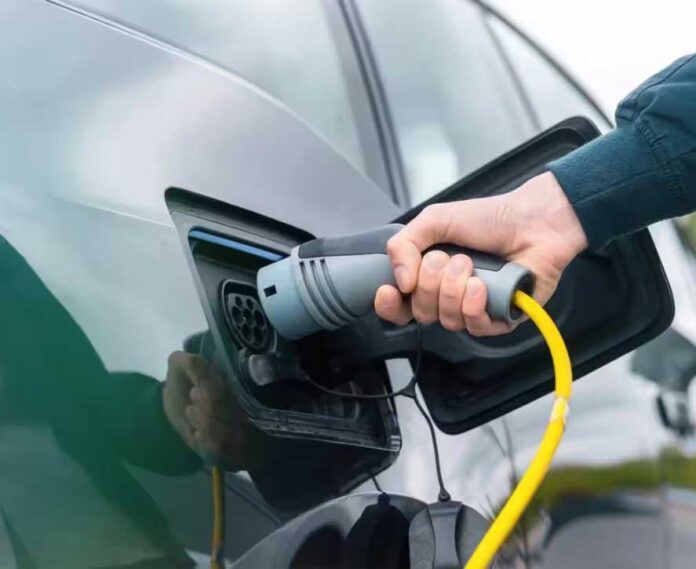

Electric cars recorded the strongest growth among passenger vehicle powertrains in India during the 32-day festive period from Navratri to Bhaidooj, with retail sales rising 69% year-on-year to 40,122 units as of November 11. According to Dynamics data, this period typically accounts for 10-11% of the annual sales of the Indian automobile industry.
The strong performance of electric vehicles came amid a decline in sales of conventional fuel-powered cars. Retail sales of petrol cars declined by 14.5%, while diesel and CNG models declined by 6.8% and 2.4% respectively. This trend highlights consumers’ growing preference for electric mobility despite the widespread slowdown in the passenger vehicle market.
The share of electric cars in total passenger vehicle retail sales increased to 6.9% during the festive period, compared to 3.8% in the same period last year. In contrast, petrol cars continued to dominate the market, but sales volumes declined to about 301,000 units from 352,000 units a year earlier.
Total passenger vehicle deliveries declined 7.2% to 581,000 units during the period, compared to 626,000 units last year. The decline was partly influenced by a higher comparison base, as vehicle sales during the same festive period last year had benefited from the GST rate cut that came into effect on September 22, 2025.
It is important to note that retail delivery figures differ from factory dispatch numbers reported by automobile manufacturers. The Society of Indian Automobile Manufacturers (SIAM) on Friday reported double-digit growth in passenger vehicle dispatches in October ahead of the main Diwali celebrations.
Tata Motors and Mahindra advance EV development
Tata Motors maintained its position as India’s leading electric car maker during the festive period, registering a 71% growth in retail sales to 16,220 units. Mahindra & Mahindra had an even stronger performance, with electric vehicle sales up 84% to 9,407 units.
Both domestic automakers together accounted for nearly 80% of total electric car retail sales during the festive period, highlighting their growing influence in India’s electric passenger vehicle segment.
The rapid growth in EV sales also points to a growing gap between consumer demand and available supply. Shailesh Chandra, managing director of Tata Motors Passenger Vehicles, said during a recent earnings call that the company is currently meeting only 60-65% of the demand for its electric vehicles.
To overcome supply constraints, Tata Motors plans to increase its monthly EV supplies to around 20,000 units in the next two to three months, compared to around 16,000 units currently.
Tata Motors’ electric vehicle sales surged nearly 90% to more than 47,000 units during the September quarter. The company also reported relatively low dealer inventory levels of around 10 days, indicating strong demand for its electric models.
Mahindra plans to expand EV production capacity
Mahindra & Mahindra has also highlighted the strong demand for its electric SUVs, with production capacity emerging as a major constraint.
Speaking during the company’s post-earnings media interaction on November 5, Rajesh Jejurikar, executive director (auto and farm sector), said a shift towards electric vehicles is unlikely despite the fall in crude oil prices.
He said consumers are increasingly recognizing the lower operating costs of electric vehicles and becoming more familiar with EV technology, supporting the transition to electric mobility.
Mahindra also admitted that capacity constraints have limited its ability to fully capitalize on the growing demand for electric SUVs. The company currently has an EV production capacity of 8,000 units per month and plans to expand it by an additional 4,000 units by February-March.
The festive season performance indicates that electric vehicles are gaining momentum in India’s passenger vehicle market, even as total car deliveries face pressure. With Tata Motors and Mahindra expanding production capacities to overcome supply constraints, the coming months will be crucial in determining whether the strong growth in EV adoption can be sustained.